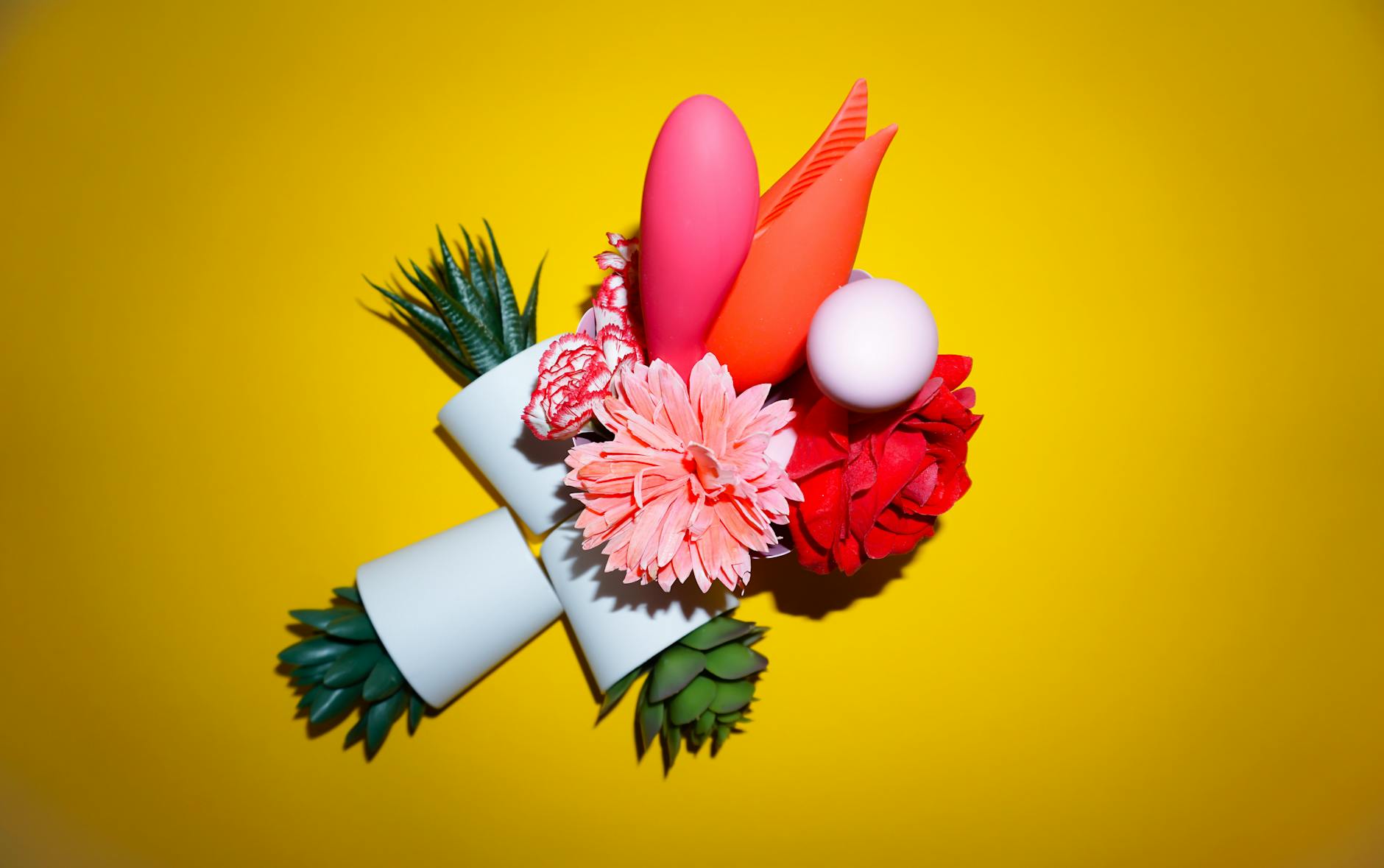
How to Use a Lemon Vibrator With a New Partner
Let's be real. The conversation about bringing toys into a new relationship feels like it needs a script, a therapist on speed dial, and probably a signed consent form. It doesn't.
But it does need timing, honesty, and a frame that doesn't accidentally communicate "you're not enough." I've worked with hundreds of couples navigating this exact moment, and the difference between awkward and easy comes down to when you bring it up and how you position it.
Why the timing matters more than you think
Most people wait too long. They sleep together a handful of times, fall into a rhythm, and then three months in, they introduce a vibrator. Suddenly it feels like a critique of what's already been established. Your partner wonders if you've been faking pleasure, or if they're not satisfying you, or if this is some weird sign the relationship is already in trouble.
Instead, bring it up early. Not first date early. But within the first two weeks of being sexual together, when the dynamic is still being invented, not defended. At this stage, you're not saying "I need something different from what we've been doing." You're saying "Here's part of what I like, and I want you to be part of it."
The other timing mistake is bringing it up in bed. Save the conversation for clothes on, coffee in hand, somewhere neutral. Beds are for doing, not debriefing.
The exact framing that works
Forget performance-speak. "I want to enhance our sex life" or "Let's spice things up" sounds like you're coaching them. Instead, own your pleasure.
"I love how we connect physically. I also want to tell you something I like that we haven't explored yet. I have a lemon clitoral vibrator I enjoy using, and I'd like to bring it into what we do together. It's not about anything you're missing. It's about something I know about myself."
That's it. Three sentences. You've communicated:
- Appreciation for what exists
- Personal ownership ("I like")
- Specificity (naming the toy type removes mystery and anxiety)
- Intent ("bring it into what we do" signals collaboration, not solo performance)
What to expect as a response
Most partners say yes. Some say yes and need reassurance that watching you use a vibrator is hot, not threatening. Some ask questions like "Will you use it instead of me?" or "Do I need to do something different?"
Answer honestly. "No, I want both. Different sensation, same closeness." If they're hesitant, ask why. Often it's not rejection. It's worry that they're failing you, or confusion about their role. A lemon vibrator like the Lemon suction toy is collaborative, not solo. You can use it together. They can hold it. You can describe what feels good. It becomes part of your shared experience, not a replacement for it.
How to actually use it together the first time
Don't make it a production. You don't need rose petals or a special occasion. Just a regular evening when you're already kissing, and things are progressing naturally.
Start with clothes off, no toy yet. Kiss, touch, build arousal the way you normally do. Then pause and say, "Want to try it now?" or "Let me show you what I like." Pull out the lemon vibrator. Show them the settings. Let them feel how it works on their arm or hand first so it's not mysterious.
Then use it on yourself while they watch and touch you. This takes the pressure off them to "use it right." You know your body. You know what feels good. They get to witness your pleasure, which honestly, most partners find incredibly hot.
After a few times, they might ask to try using it on you. Say yes. Guide them. "Slower here" or "That spot, yes." The lemon vibrator works well because the suction sensation is gentler than traditional vibration, so it's harder to go "wrong." It's more about placement and pattern.
Addressing the actual concerns
"Will they get used to it and need it every time?" No. Your body doesn't build tolerance to pleasure like it does to medication. Variety feels good. Sometimes you use the toy, sometimes you don't. Both are legitimate.
"What if they feel jealous or inadequate?" That's worth talking about directly. "I love what we do together. This is an addition, not a replacement. Your hands, your mouth, your closeness matter." Then show them. Use the toy for a few minutes, then set it aside and reconnect with them.
"What if they want to use it all the time?" Then you've found someone who's enthusiastic about your pleasure, which is great. Set boundaries if you want to. "I love when you use it on me, and I also love when we focus on touch." Your preferences matter too.
"Is it weird if we use it together but he doesn't have anything?" Not inherently. But if it bothers them, there are toys for all bodies. That's a different conversation, but it's an option.
The emotional part nobody talks about
Bringing a toy into a new relationship is actually about vulnerability. You're saying, "Here's something that matters to my pleasure, and I trust you with it." Your partner is agreeing to be present for that without judgment.
That's intimacy. More than the toy itself.
If it goes well, great. You've expanded what you share. If your partner is weird about it or dismissive, that's useful information about compatibility. Someone who gets defensive about a clitoral vibrator is often someone who struggles with your autonomy in other areas too. It's an early warning signal, not a reflection on you.
Small logistical things
Keep the lemon vibrator clean and charged. A partner appreciates knowing where it is and how to clean it if they're using it on you. Keep it somewhere accessible but private, so you're not fishing around in a drawer mid-sex.
Start at lower settings. You know your body. They might be nervous about intensity. You can always go higher.
Don't assume they know how long it lasts on a charge. Show them. "This runs for about two hours, so we're good." Small details calm anxiety.
The plot twist nobody expects
Many couples find that introducing a toy early actually makes their physical connection stronger. You're having explicit conversations about pleasure. You're showing each other what you like. You're being vulnerable together. That translates to every other part of the relationship.
The lemon vibrator or any clitoral vibrator isn't about fixing something broken. It's about exploring something together. Frame it that way, and the conversation stops being scary and becomes something you're both curious about.
FAQ: New Partners and Lemon Vibrators
How soon into dating should I mention I have a vibrator?
Within the first two weeks of being sexual together is ideal. Early enough that you're still inventing your sexual dynamic, not defending an established one. Late enough that you've already built some comfort and trust. You're not telling them on a first date. You're also not waiting three months.
What if my new partner thinks I'm asking them to use it because they're not good in bed?
That's the fear most partners have, and it's worth addressing directly. Say explicitly: "I'm not telling you this because you're not satisfying me. I'm telling you this because I want to share something I enjoy with you." Then prove it. Use it with them present, not instead of time with them. Keep most of your physical connection toy-free so they feel confident their touch matters.
Is it less intimate if I use a lemon clitoral vibrator with my partner?
No. Some people worry that adding a toy makes sex feel clinical or less connected. The opposite is usually true. You're being more honest about what you like. You're inviting them into a part of your pleasure they might not have known about. That's actually more intimate, not less. The key is maintaining physical closeness and communication while you're using it.
Should I ask them first, or just surprise them with it?
Always ask first. Surprising someone with a vibrator in bed is a gamble. You have no idea how they'll react. They might feel ambushed or worried you've been planning something they weren't consulted on. A brief conversation beforehand prevents panic and opens the door for curiosity instead. "I want to try something. Are you open to that?" is enough.
What if they say no? Is that a dealbreaker?
Depends on why they said no. If it's "I'm not comfortable yet, can we talk about this later?" that's different from "I don't think we should use toys." One is a timing thing. One is a values thing. Pay attention to the difference. A partner who's nervous but willing to learn is different from one who's dismissive of your pleasure.
Can I use a lemon vibrator during partnered sex?
Absolutely. You can use it during penetration, during oral sex, or as foreplay. It works well with most positions because it's smaller and less cumbersome than larger vibrators. Your partner can hold it while inside you. You can hold it and angle it how you want it. The collaborative options are pretty flexible. Start with exploration and see what feels good together.
The bottom line
Using a lemon vibrator with a new partner is less risky than it feels. Approach it as a conversation, not a surprise. Frame it as "here's something I like" rather than "here's what you're missing." And remember that a partner who's genuinely interested in your pleasure will be curious about tools that help you experience more of it.
You deserve to feel good. A good partner wants that for you. A vibrator is just a tool. But the openness and trust you build around it? That's the real thing.
If you're starting a new relationship and want to explore what works for your body and for partnership, start here. Learn how to introduce a lemon clitoral vibrator to your partner without awkwardness. Or, if you want to understand your own pleasure first before bringing someone else in, read about why lemon vibrators work better for sensitive clits.
Questions? Reach out to Hello Nancy. We're here to help.