Let's be real about why you're nervous
You want to introduce a lemon clitoral vibrator. Good. That's the whole point. But somewhere between deciding and actually saying it out loud, your brain has constructed an entire disaster scenario where your partner feels inadequate, rejected, or judged. None of that is actually going to happen. But I understand why you think it might.
The truth is simpler: most people have never had someone they love say, "I want to feel better during sex with you, and I have an idea that might help." It's vulnerable. It's specific. It requires trusting that the other person won't weaponize honesty against you. That's the real barrier, not the vibrator itself.
Why partners actually respond better than you think
Research on couples and sex toys consistently shows the same thing. Men and women both report that when a partner brings up vibrators with curiosity instead of complaint, it lands as exciting. Not as "you're not enough," but as "let's try something that might feel incredible." The reframe matters because it's true.
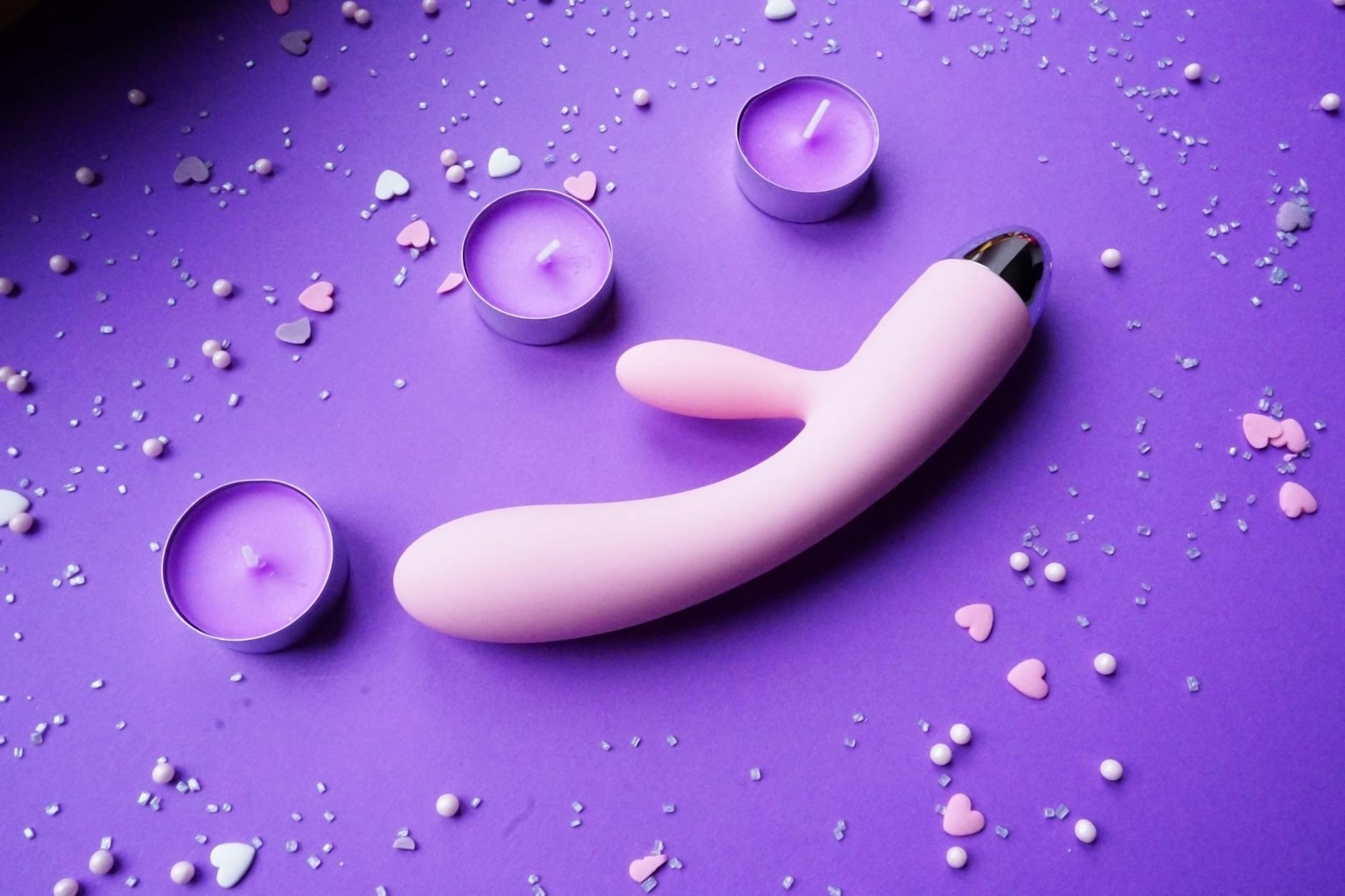
A lemon clitoral vibrator like the ones Hello Nancy makes doesn't replace partner touch. It changes the sensation in ways that human hands literally can't replicate. Suction-based clitoral stimulation is neurologically different from friction or pressure. Your partner can't do it with their hand. That's not a failure on their part. That's just biology.
When you frame it that way, the conversation shifts from "I want this because you're not doing it right" to "I want this because it opens something new for both of us."
Timing and setting matter more than you'd think
Don't bring this up right before sex. Also don't bring it up during sex. Both create a sense of high-pressure performance. Instead, pick a moment when you're both relaxed and clothed. After dinner. During a car ride. On the couch when you're just talking.
You want a moment where stopping the conversation is an option. Weird as it sounds, that makes it less weird. If you're mid-orgasm and suddenly mention vibrators, the stakes feel impossibly high. If you're getting coffee and you mention it, it's just a conversation.
What to actually say (three templates that work)
Option one, if you're curious and collaborative: "I read that a lot of couples use clitoral vibrators. Apparently they feel completely different than hand stuff. Would you be curious about trying one together?"
Option two, if you're specific about desire: "I've been thinking about what would feel amazing for me, and I think a vibrator might be part of it. I want to explore that with you. Would you be open to it?"
Option three, if you're addressing something you think might be a barrier: "I want to try something that might change how pleasure feels. I think it could be really good for both of us. I'm not saying anything's wrong now. I just want to experiment."
All three have the same underlying message: this is about expansion, not repair. You're not fixing a broken system. You're upgrading an already good one.
What happens if they say no
Some people will hesitate. Some will say no. That's their right. But here's what I've learned from twenty years of couples work: people rarely say no to vibrators because they hate vibrators. They say no because they're scared. Scared it means something about their sexuality, their body, their capacity to satisfy you.
If you get hesitation, don't push. Instead, ask what they're worried about. "Does this feel like I'm saying something's wrong?" "Are you worried it'll change what we do?" "Does it feel emasculating?" Get specific. Almost always, the real concern is smaller and more solvable than the silence suggests.
Sometimes people need time. That's fine too. You've planted the seed. Curiosity often wins.
Introducing the actual vibrator (make it casual)
Don't present it like you're unveiling a medical device. A lemon clitoral vibrator like the Lem is designed to feel intuitive. Show your partner. Let them hold it. Explain how the suction technology works if they're interested. But mostly just act like it's normal, because it is.
Honestly though, if you're at the point where you're showing them the toy, you've already won the harder conversation.
If you're nervous about pleasure response
One thing I see sometimes is a partner getting anxious that the vibrator will work "too well," like you'll become dependent on it or like penetrative sex will suddenly feel boring by comparison. This is worth addressing directly before it becomes resentment.
The truth: clitoral vibration and partner sex are not in competition. They feel different. They do different things to your nervous system. You can love both. You'll probably want both in the same session, and that's completely normal. When you explain this, you're giving your partner permission to see it as a collaborative tool rather than a threat.
Why this matters beyond the bedroom
Introducing a vibrator requires a conversation about desire, pleasure, and what you want that you might not have had otherwise. That conversation is the real gift. The vibrator is just the vehicle.
Couples who can talk openly about sexual wants tend to communicate better everywhere. About money. About family. About where the relationship is heading. This awkward three-minute chat is actually relationship-building work.
The FAQ real couples ask
Q: What if my partner thinks I'm asking for a threesome? A: Start with "just the two of us," and be clear. Most vibrator conversations have nothing to do with adding people. Specificity helps.
Q: Should I buy one secretly and surprise them? A: No. This removes their agency. They need to know and agree beforehand. The conversation is not a problem. Surprise is.
Q: What if they want to use it on me but I feel vulnerable? A: That's real. Take it slow. Let them hold it without using it. Get used to the idea. You're not obligated to enjoy it immediately.
Q: Is there a risk they'll feel insecure about size or performance? A: Yes. That's why the frame matters so much. This is about sensation variety, not a referendum on their body. You may need to say it more than once.
Q: How soon after the conversation should we actually use it? A: Give it at least a few days. Let the initial awkwardness settle. Then circle back casually. "So did you think about that thing I mentioned?" Natural curiosity, not pressure.
Q: What if they say yes but seem reluctant? A: Check in before you start. "Do you genuinely want to do this? Because I don't want you to feel obligated." That's not killing the mood. That's building trust.
The thing nobody tells you
Most partners, once they get over the initial weirdness, are genuinely fascinated. They want to see what a lemon clitoral vibrator does to you. They want to understand your pleasure in more detail. They want to be part of something that feels better.
The awkward conversation you're dreading is often the gateway to a more honest, more satisfying relationship. Which is wild, because all you're doing is saying, "I want to feel good, and I want you there with me."
That's not weird. That's actually the opposite.
If you need help beyond the conversation, or if patterns of avoidance show up around intimacy talk more broadly, talking to a relationship therapist can help you both practice this vulnerability. There's no shame in having a neutral person in the room while you learn to communicate about desire. It's actually really common.
Your pleasure matters. Your partner's willingness to hear about it matters. And the conversation, as uncomfortable as it might feel in advance, is almost always much easier than you think.