Stress is a pleasure killer. Here's what actually happens in your body.
Let's be real: when you're running on cortisol and coffee, pleasure feels like a luxury you can't afford. Not because you don't want it, but because your nervous system has literally downshifted into survival mode. Chronic stress doesn't just make you tired. It rewires your ability to feel sensation.
The disconnect you're experiencing is physiological, not psychological. Your brain is doing its job. And that job right now is threat-detection, not pleasure. The good news? This is completely reversible.
Why stress numbs arousal pathways
When you're under sustained pressure, your body floods with cortisol and adrenaline. These hormones are fantastic for running from danger. They're terrible for arousal.
Here's the sequence. Cortisol shuts down the parasympathetic nervous system, which is what you need active to feel turned on. At the same time, blood flow redirects away from your genitals and toward your muscles and brain. Your vagina becomes less engorged. Clitoral sensitivity drops. Lubrication diminishes. And mentally, your brain is too busy scanning for threats to register pleasure.
This is why people under extreme stress often say sex feels "mechanical" or "numb." It's not that the nerve endings are broken. It's that your nervous system has deprioritized them.
If you've been stressed for weeks or months, you've probably also stopped initiating sex, stopped touching yourself, or stopped even thinking about pleasure. This compounds the problem. The less you engage, the more disconnected you feel. The more disconnected you feel, the harder it is to restart.
The nervous system reset starts here
You can't think your way out of stress-induced numbness. You have to feel your way out. That's where a lemon clitoral vibrator like the Lem becomes a tool for nervous system recalibration, not just pleasure.
Start by shifting the intention. You're not aiming for an orgasm. You're aiming for sensation. There's a huge difference.
Set aside 20 minutes when you have zero distractions. Not before bed when you're exhausted. Not squeezed between tasks. Actual protected time. Turn off your phone. Close the door. This signals to your nervous system that you're safe enough to drop into parasympathetic mode.
Take five minutes to do absolutely nothing. Breathe. Lie down. Let your heart rate settle. This is not foreplay. This is deprogramming your fight-or-flight response.
Using the Lem when sensation feels distant
Start at the lowest setting. Not because you're broken, but because overstimulation when you're already numb will just reinforce the numbness. Suction works better than vibration for reconnecting with numbness because it engages deeper nerve endings without requiring you to be already aroused.
Begin with external clitoral stimulation. Five to ten minutes of gentle suction at setting one or two. You're not chasing anything. You're just noticing sensation. Can you feel the pull? Where exactly? Does it feel better with slight pressure or light touch?
This might feel awkward. You might not feel much at first. That's normal. Disconnection takes time to rewire. Some people feel a slight warming. Others feel almost nothing. Both are fine. You're training your nervous system to register pleasure again.
When your partner is involved
If you're in a relationship, this is also a conversation opportunity. Explain that stress has disconnected you from pleasure, and you're actively rewiring that. You're not rejecting them or losing interest in them. You're rebuilding your capacity to feel.
Many partners feel relieved to hear this. They've often been internalizing the rejection. Once they understand it's neurological, not relational, they can become genuine collaborators.
If your partner wants to participate, start with them simply holding the Lem while you guide intensity. You maintain control. They get to participate. You rebuild pleasure together.
Don't rush to shared sex. When you're rebuilding intimacy after stress or major life changes, it often helps to restart with solo exploration first. Once sensation returns, partnered pleasure becomes easier.
The timeline for reconnection
Your nervous system doesn't recalibrate overnight. Most people report the first shift in sensation within a week of consistent practice, two to three times weekly. By two to three weeks, arousal usually starts rebuilding. By a month, many people report that pleasure feels close to normal again.
This assumes you're also addressing the underlying stress. Using a lemon clitoral vibrator while your life is still a pressure cooker helps, but it's not magic. The tool works best when you're also making space for rest, reducing your workload where possible, or getting support for anxiety.
Pleasure as a healing practice
This is worth repeating because it changes everything: pleasure is not a luxury. It's a nervous system reset tool. When you use the Lem specifically to reconnect with sensation rather than to "perform" an orgasm, you're actually retraining your body to relax.
This matters especially for people in high-stress jobs or caregiving roles. You've spent months or years in constant alert mode. Your body needs permission to downshift. Pleasure practice is one of the most efficient ways to do that.
If you notice that even with consistent practice, sensation isn't returning after a month, or if stress itself feels unmanageable, reconnecting with a therapist or counselor who specializes in stress and intimacy can help you identify what's blocking recovery.
Common speed bumps and how to handle them
Guilt about "taking time for yourself." You're not being selfish. You're maintaining a essential biological function. Reframe it: you're investing in your long-term wellbeing and your relationship.
Feeling nothing for the first week. Normal. Completely normal. Numbness doesn't reverse in a day. Stick with it.
Pleasure returning, then disappearing again when stress spikes. This happens too. Your nervous system is still wired to deprioritize pleasure when threats appear. Once the acute stressor passes, reconnection usually resumes. You've now rebuilt the pathway once. You can do it again faster.
Partner impatience. Have the conversation: "I'm working on this. It takes time. Here's what helps." If your partner is struggling with their own stress or libido changes, that's a separate issue to address together.

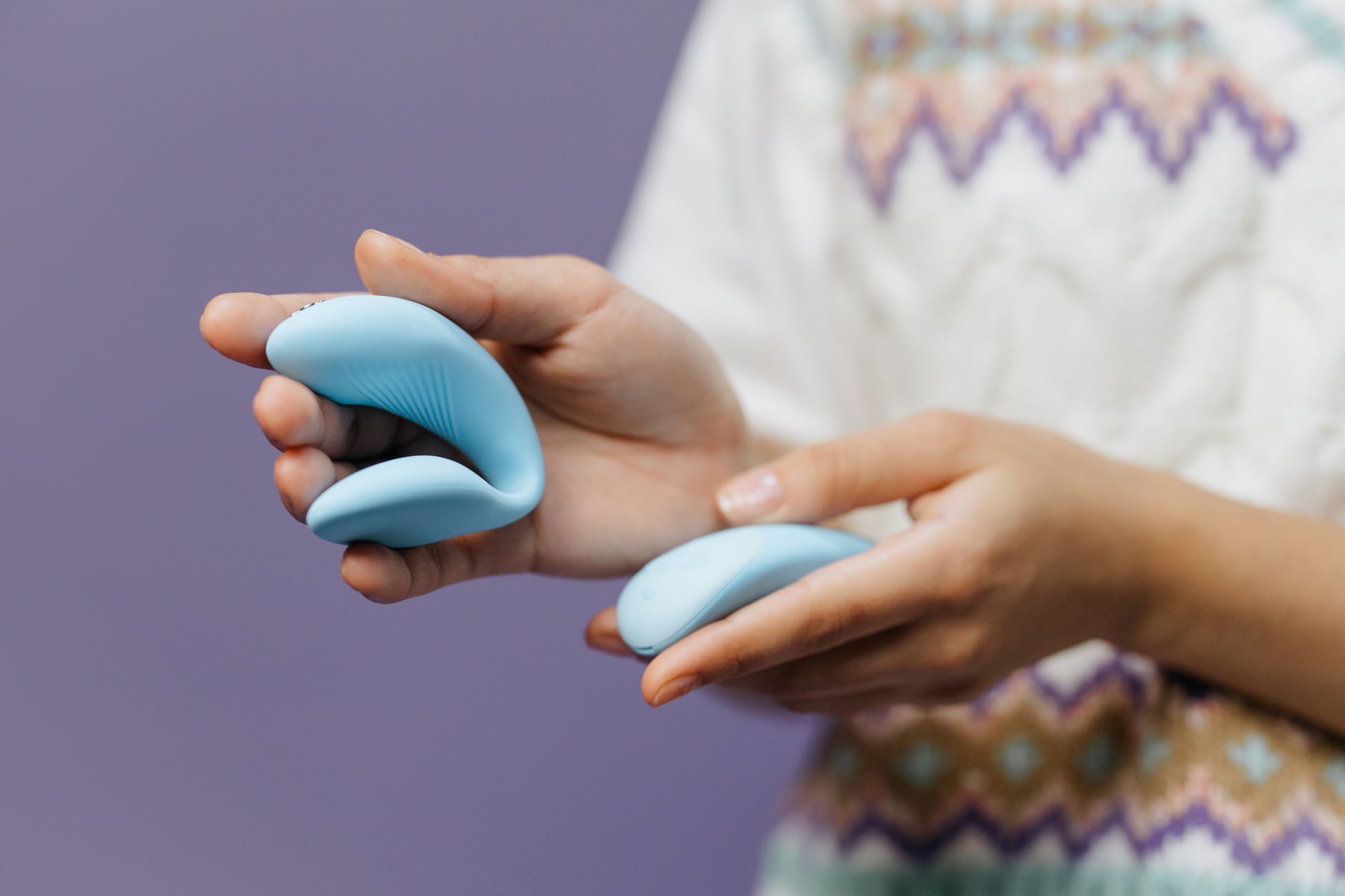
Photo by cottonbro studio on Pexels
Why suction beats vibration for reconnecting
When your nervous system is in shutdown, vibration can feel overwhelming. Suction creates a different sensation. It's deeper, more sustained, and it activates a broader network of nerve endings. For people reconnecting after stress, this often feels more accessible than rapid vibration.
The Lem uses air-suction technology, which means it's also gentler on already-sensitive tissue. If stress has made your clitoris feel raw or tender (which happens), suction lets you engage without the friction of traditional vibration.
The bigger picture
Using a lemon clitoral vibrator to reconnect with pleasure after stress isn't about fixing yourself. It's about actively rewiring a nervous system that's been trained to prioritize danger over sensation. You're teaching your body that it's safe to relax. That it's safe to feel good.
This takes time. It takes consistency. And it works. Most people who stick with this practice for three to four weeks report a genuine shift in arousal, responsiveness, and overall sense of wellbeing. The bonus: as pleasure returns, stress often feels less overwhelming. Your nervous system is getting back online.
People also ask
Can stress permanently damage my ability to feel pleasure?
No. Numbness from chronic stress is reversible. Your nervous system is designed to recalibrate. Once the acute stressor passes and you engage in deliberate sensation practice, most people recover full pleasure capacity within weeks to a few months. The longer you've been numb, the longer reconnection may take, but "permanent" is not the outcome.
How often should I use the Lem when reconnecting?
Start with two to three times per week for 15 to 25 minutes. Consistency matters more than frequency. Your nervous system is learning that pleasure is safe and available. Daily practice can sometimes feel like pressure. Two to three times weekly gives you consistency without burnout.
What if I use the Lem and still feel nothing?
First week or two of feeling nothing is typical. After two to three weeks, if sensation still isn't registering, pause and assess. Are you still under extreme stress? That will block reconnection. Are you breathing shallowly or tensing your body? Relaxation is prerequisite. Are you expecting an orgasm instead of just sensation? That expectation itself kills arousal. Lower the bar. You're aiming for a tiny bit of warmth or tingle, not fireworks.
Can my partner help me reconnect, or do I need to do this alone?
Both work. Many people find solo practice helpful first, because there's zero performance pressure. Once sensation starts returning, partnered exploration usually accelerates reconnection. If your partner is willing to simply hold the Lem or be present while you explore, that's often the sweet spot. You control intensity. They feel included. Nobody's performing.
Does this work if the stress is ongoing?
Partially. You can rebuild sensation even while stress continues. But the reconnection will be slower and more fragile. Addressing the underlying stress, whether that's therapy, workload reduction, or lifestyle changes, dramatically speeds up the process. The Lem is a tool, not a substitute for stress management.
Why does pleasure reconnection feel so difficult emotionally?
Because you've internalized numbness as normal. Your body has been surviving on fumes. Inviting pleasure back can feel like guilt, like you're being irresponsible, or like you're betraying the seriousness of whatever you're handling. You're not. Pleasure is part of your baseline nervous system health. Reconnecting is an act of self-respect, not selfishness.