Let's be real about the awkwardness
You haven't touched each other in months. Maybe it was a work separation, a long stint apart for family reasons, or just life pulling you in different directions. Now you're trying to find your way back to physical intimacy with your partner, and everything feels unfamiliar. Your bodies have changed slightly. Your rhythms are out of sync. The pressure to "get it right" makes everything worse.
This is more common than you think. And it's fixable.
Why reconnecting physically feels harder than you'd expect
When you've been apart, your nervous system has literally recalibrated. Touch feels different because you're not reading each other's cues the same way. Your partner might move differently. Your own arousal might take longer to build. The vulnerability of starting over can feel heavier than starting fresh with someone new, because there's history and expectation woven in.
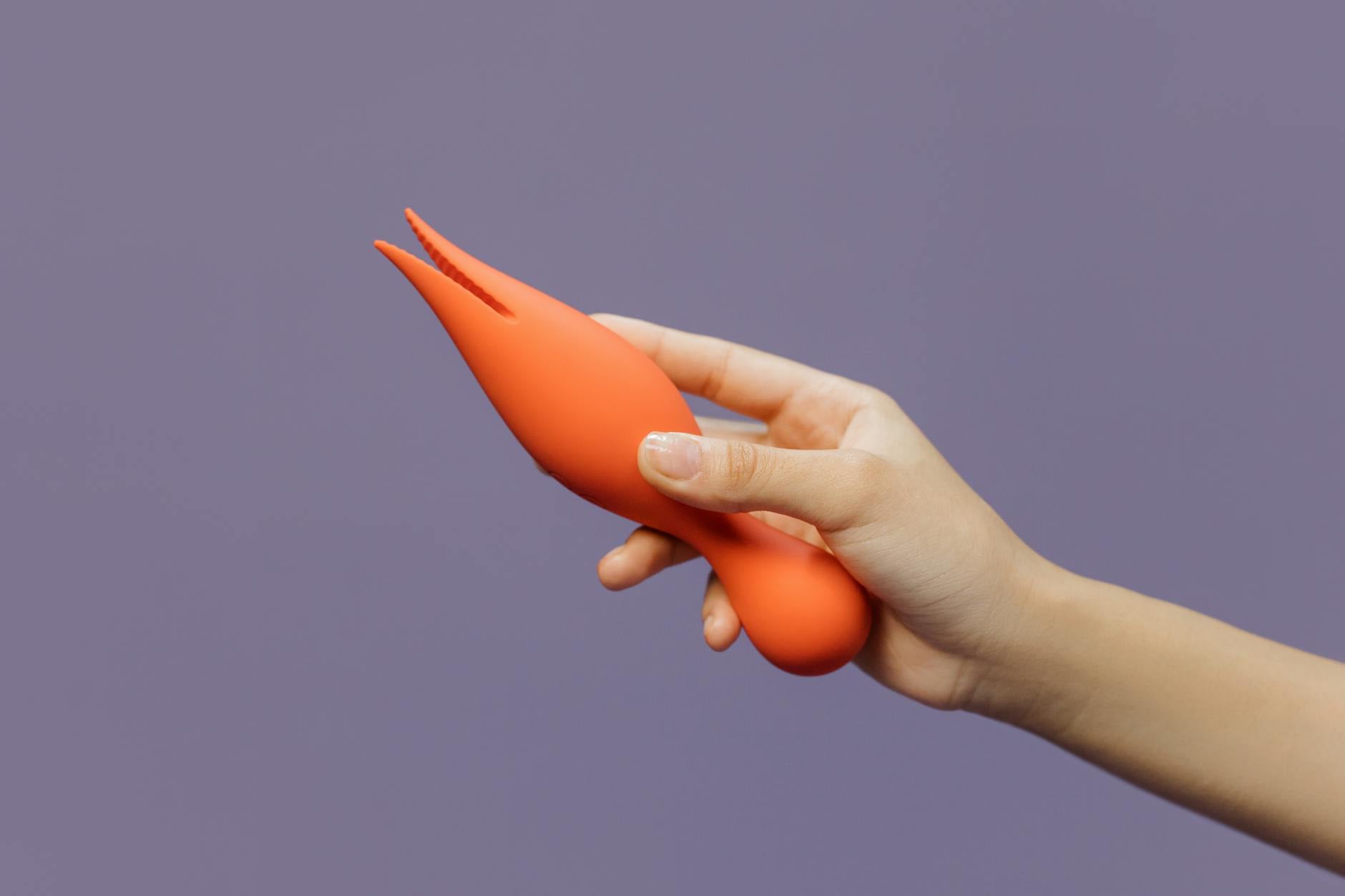
Here's the thing that helps: introducing a clitoral vibrator like the Lem into this transition actually reduces pressure, not adds it. It gives you both permission to slow down. It shifts the focus from "performing" reconnection to actually experiencing it together.
Starting the conversation before you start anything else
Don't let a vibrator appear mid-encounter. That creates exactly the kind of surprise and awkwardness you're trying to avoid. Instead, talk about it when you're clothed and not in bed. Something like: "I've been thinking about how we reconnect physically, and I found this thing that might help us both feel less pressure. Want to look at it together?"
Showing your partner a Lem Vibrator or other clitoral vibrator together normalizes it immediately. You're not hiding it. You're not springing it on them. You're making it collaborative, which is the opposite of how people usually approach this moment.
If your partner seems hesitant, listen to that. The most common concern is "Does this mean something's wrong with me?" It doesn't. Lemon clitoral vibrators are tools for pleasure, not replacements for anything. Frame it that way: "I want us both to feel good. This helps me get there faster, which means more time for us."
The physical setup that takes the pressure off
When you're rebuilding after time apart, you need to create conditions for success. That means: time without an agenda, privacy, low lighting, no phones nearby. Some people find it helpful to start with a massage or extended foreplay before introducing the vibrator. This reminds your nervous systems that touch is safe and pleasurable.
Start in a position where your partner can use the vibrator on you, or where you can use it on yourself while they're involved. The Lem works beautifully for this because its air-pulse technology doesn't require constant repositioning. You can hold it steady, and they can touch you everywhere else. That's the point: they're still actively involved. The vibrator isn't replacing their touch; it's creating space for more of it.
Pacing your way back in
After time apart, your clitoral tissue might be more or less sensitive than it used to be. Start with a lower intensity setting on your Lem. You can always turn it up. You can't take back a surprise jolt of intensity that didn't feel good.
Many couples find that after a break, the return to pleasure happens in layers. First encounter: you're just getting used to touch again. You might not orgasm, and that's fine. Second time: you're remembering what you like. Third time: you're starting to relax into it.
Don't rush to the destination. The whole point of using lemon vibrators or other clitoral toys during this phase is to slow down enough to actually feel things. If you're reaching for an orgasm before you've even reconnected to your partner's body, you're missing the rebuild.
Handling the emotions that come up
Physical intimacy after time apart often stirs feelings that aren't purely sexual. You might feel vulnerable, or suddenly aware of how much you missed your partner's body. They might feel the same. Sometimes people cry during or after reconnection sex. This is normal. Make space for it.
If emotions derail the moment, that's not failure. That's your nervous system processing the reunion. You can pause, hold each other, talk about it, and try again in a few minutes or a few days. There's no timeline here except the one you and your partner set.
The role of pleasure in rebuilding trust
Longer-term separations (beyond a few weeks) can shift how safe a partner feels in your relationship. Physical pleasure is one of the languages that rebuilds that safety. When you're both prioritizing each other's satisfaction, you're also reinforcing that you care. You matter. Your body and your pleasure matter.
Using the Lem Vibrator or similar lemon sexual toys as part of this process sends a clear message: I want to be with you. I want this to feel good. I'm willing to experiment and adapt because you're worth the effort.
Common stumbling blocks and how to move past them
Some partners worry that introducing a clitoral vibrator means the relationship has a problem. It doesn't. Lemon adult toys are increasingly normal, and they're especially useful during transitions like this one. If your partner expresses this concern, you can simply ask: "What would help you feel more comfortable?" Maybe they need to hold it sometimes. Maybe they need to watch you use it first, alone, so they understand how it works. Meet them where they are.
If you're using the vibrator and realize you're having trouble getting aroused, don't panic. After separation, sometimes your body takes a minute to remember that sex is safe and good. A long foreplay session, a massage, or even just more time spent touching without any goal can help your nervous system settle.
When to seek support beyond the vibrator
If you're rebuilding after a particularly painful separation (infidelity, a major fight, a prolonged illness), you might benefit from working with a couples therapist alongside this physical reconnection. The vibrator isn't a substitute for addressing bigger relationship issues. But it can be a useful tool within a broader effort to rebuild.
Similarly, if one partner has experienced trauma, moving slowly and keeping communication open becomes even more important. A clitoral vibrator can be helpful, but only if both people feel genuinely safe and willing.
FAQ: Rebuilding Physical Intimacy After Time Apart
How long should we wait before trying to be intimate again after a long separation?
There's no magic number. Some couples reconnect physically after days apart; others need weeks. Listen to your own body and your partner's comfort level. The goal isn't speed; it's genuine reconnection. If either of you feels pressured, you're moving too fast. Slow down, spend time together non-sexually first, and let physical intimacy happen naturally.
Is it normal to not be able to orgasm the first time we're intimate again?
Completely normal. After time apart, your nervous system needs to recalibrate. You might need more foreplay, longer sessions, or simply more time to feel relaxed enough to let go. The Lem Vibrator can help, but don't use it as a tool to force an orgasm. Use it to build pleasure and sensation at whatever pace feels good.
My partner feels insecure about the vibrator. How do I address this without making them feel worse?
Invite them into the experience. Let them hold it sometimes. Explain that it's enhancing your pleasure together, not replacing anything about them. If they're still uncomfortable, respect that and explore other ways to reconnect. You could also ask what specifically makes them uncomfortable. Is it the vibrator itself, or is it tied to deeper concerns about your relationship? Sometimes the real conversation is underneath the surface objection.
How do we keep physical intimacy consistent after we rebuild it?
Schedule time together, without kids or interruptions. Not because spontaneity doesn't matter, but because consistency matters more. Even 20 minutes of focused time together twice a week keeps your physical connection alive. And continue using tools like clitoral vibrators if they work for both of you. There's no finish line; this is ongoing maintenance of your relationship.
What if we're using a vibrator and it triggers anxiety or memories of the separation?
Stop immediately. Talk about what came up. Sometimes our bodies hold onto stress and trauma from periods of disconnection. If this keeps happening, it might be worth exploring with a therapist. Physical intimacy should feel safe, not like it's dragging up old pain. The vibrator isn't the problem; the unprocessed feelings are.
Can we use a vibrator if we have different libidos after the separation?
Yes. In fact, this is one of the best uses for lemon clitoral vibrators. If one partner has a higher libido, the vibrator can help level the playing field. The lower-libido partner can still feel wanted and pursued without feeling like they have to perform. And the higher-libido partner gets their needs met. It's collaborative, not competitive.
The long game
Rebuilding physical intimacy after time apart isn't about forcing things back to how they were. It's about creating something new. You're not the same people you were before the separation. Your bodies have changed. Your relationship has changed. The beauty of that is that you get to explore this new version of your connection together.
A Lem Vibrator or other lemon clitoral vibrator is just a tool to make that exploration easier, less pressured, and more pleasurable for both of you. Start the conversation. Take it slow. Pay attention to what feels good. And remember: the point isn't to get back to where you started. It's to move forward together.
If you're unsure how to start this conversation with your partner, or if reconnecting physically feels more fraught than you expected, consider reaching out to a relationship coach or therapist. Sometimes having a professional in your corner makes all the difference.
Learn more about rebuilding intimacy after infidelity, which often involves many of these same principles and vulnerabilities.
You deserve to feel close to your partner again. Physical intimacy is one powerful way to get there.