Let's normalize this right away
Solo pleasure with lemon vibrators isn't a consolation prize. It's not what you do when a partner isn't available. It's what you do because you deserve to know your own body, because your pleasure matters on its own, and because understanding yourself alone is the fastest path to pleasure with anyone else.
Honestly? Most people report their best orgasms happen solo. That's not sad. That's freedom.
Why solo play changes everything
When you're alone, three things shift immediately.
First, there's no performance. You're not timing yourself to someone else's rhythm, not monitoring their comfort, not performing a version of pleasure you think you should be having. Your Lem vibrator, your rules. Your pace. Your intensity.
Second, there's permission. Cultural messaging makes solo pleasure feel like a backup plan or a consolation. Reframe it: solo play is the one time you get to be completely selfish about what feels good. That's not indulgent. That's essential data about your own body.
Third, there's experimentation. Alone, you can try patterns you might feel self-conscious about with a partner. You can spend 45 minutes on something that takes 10 seconds with someone else. You can discover that you love starting at a lower intensity and working up. You can learn exactly what your body needs.
This information becomes the foundation of partnered pleasure later. When you know yourself, communication becomes easier. You stop guessing. You start knowing.
The physical setup that works
Four things matter for solo lemon clitoral vibrator use.
Location matters more than you think. Find somewhere you won't be interrupted and where you feel genuinely comfortable. This might be your bed, might be a bath, might be on your couch at 2 a.m. The specific place is less important than the feeling of safety and privacy. Your nervous system notices the difference between "I might get walked in on" and "I know I won't be."
Time is as important as space. Solo play deserves actual time, not a five-minute squeeze between tasks. Budget 30-45 minutes if you can. The first 15-20 minutes are usually warm-up. Your body and brain need runway to get aroused. Rushing through it teaches your nervous system that pleasure is rushed. That's the opposite of what you want to learn.
Lubrication is non-negotiable. Even if you're naturally lubricated, water-based lube removes friction, lets your lemon vibrator glide more smoothly, and transforms how patterns feel. It's not because something's wrong. It's because lube makes almost everything feel better. Use it generously.
Comfort counts. Pillows under your hips, a comfortable temperature, your phone on silent. If your focus is split between pleasure and discomfort, pleasure loses. Invest in the small details. They add up.
How to actually start
Here's the rhythm that works for most people.
Start without the vibrator. Spend 5-10 minutes touching yourself however feels good, no goal. Notice what draws you in. Are you drawn to fast or slow touch? Light or firm? Direct or indirect? Your fingers teach you what patterns matter before you add a lemon clitoral vibrator to the mix.
Then introduce your vibrator at a lower setting. Many people jump straight to the strongest intensity. That's like starting a new language with Shakespeare instead of hellos. Start at pattern 1 or 2 on your Lem. Notice how it feels. There's no rush to amp it up. Intensity is always available. Staying curious about gentler sensations is the move that pays off.
Spend time exploring the full range. Move your lemon vibrator slowly around the whole external area. Clitoral pleasure isn't a single point. It's a landscape. What feels intense on one spot might feel gentle somewhere else. Map it.
When something feels really good, stay with it. Don't immediately turn up intensity. Don't shift position. Just let that sensation build. Pleasure is about staying present, not chasing the next thing.
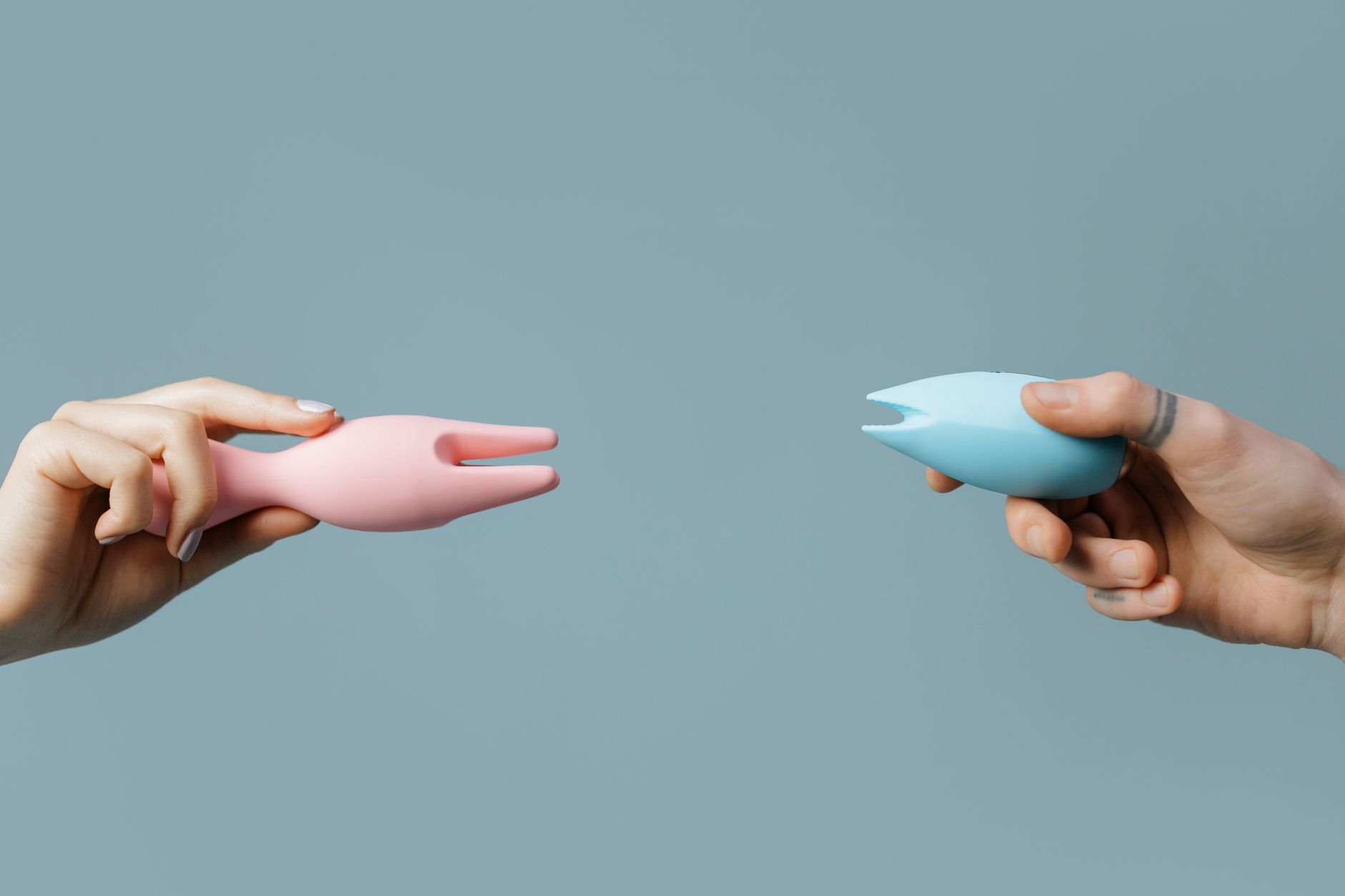
Photo by cottonbro studio on Pexels
What's different when you're alone
Solo play lets you notice things partnered play often masks.
You might discover that your arousal pattern is slower than you thought. You might realize you like more buildup than climax. You might find that you actually prefer a gentler approach than partnered sex typically allows. You might notice that you want variety in rhythm that would be hard to ask for.
All of this is valuable. This is the stuff that, once you know it, changes how you ask for what you need.
You also get to discover what your body does when there's zero pressure for a particular outcome. Some people find they have multiple orgasms when solo. Some find their orgasms feel completely different. Some realize they don't always want an orgasm at all. they just want the sensation and the self-attention. That's all valid. That's all data.
Solo pleasure also teaches you about your own arousal. You learn how your body signals interest. You learn what pulls you out of arousal (stress, distraction, overstimulation, understimulation). You learn how quickly you bounce back. You learn whether you want to keep going after an orgasm or whether you're done. This self-knowledge translates directly to communication with a partner, because you stop guessing and start knowing.
The rhythm that builds
If you're exploring with your lemon vibrator alone, this progression works for most people.
Start at the lowest intensity you can feel. For a Lem vibrator, that might be pattern 1. Stay there for a few minutes. Let your body acclimate. Notice what happens. Does the sensation intensify as you stay with it, or does it feel static?
Then slowly work up through the patterns. Spend a minute or two at each level. Don't feel obligated to reach the highest setting. Some people find their sweet spot at pattern 3 or 4 and stay there. That's perfect. Your goal is discovery, not conquest.
If you're finding one pattern particularly good, explore duration. Stay with it for 5 minutes, then 10. Notice whether it builds over time or whether the novelty wears off. This tells you whether you prefer consistency or variation.
Many people find they want to return to a gentler setting right before they come. It sounds counterintuitive, but backing off intensity for a moment and then returning to it creates a powerful rhythm. Try it. You might surprise yourself.
Solo pleasure and partnered pleasure aren't the same
Here's something important: pleasure alone and pleasure with a partner feel different. That's not a problem. That's normal.
When you're alone, you have complete control, no distraction, and zero pressure. When you're with a partner, you have someone else's body, someone else's timing, someone else's energy in the room. These aren't the same experience. Solo play isn't a rehearsal for partnered play. They're two different conversations your body gets to have.
The reason solo play matters isn't to get better at partnered sex. It's to get to know yourself. To own your pleasure. To learn that your body's needs are real and worth meeting. Solo play is where you learn that you're allowed to ask for what feels good. Everything else flows from that.
When solo pleasure is your main pleasure
Some people are partnered and prefer solo play. Some are single. Some are going through a relationship transition. Whatever your situation, solo pleasure with a lemon clitoral vibrator is complete on its own. It's not a stopgap. It's a legitimate, fulfilling way to meet your own needs.
If you're partnered and prefer solo time, that's worth naming to yourself and your partner. Not as a problem, but as information. Some people find they want both. Some find they prefer solo. Both are fine.
The shift happens when you stop treating solo pleasure as less than and start treating it as a choice. Then it becomes something you actually want, rather than something you're doing because a partner isn't available.
FAQ
What if you can't orgasm when using a lemon vibrator alone?
Orgasm isn't the goal of solo play, even though that's what most people assume. The goal is sensation and self-connection. Some people find their bodies work differently when solo versus partnered. Some people need a lot more time than they think. Some people genuinely aren't having orgasms for physiological reasons (medications, hormones, pelvic floor tension) that have nothing to do with the vibrator. Start by letting go of the orgasm target. Spend time with sensation. Pleasure is available without climax.
How often should you be using a lemon clitoral vibrator alone?
There's no "should." Some people use their vibrator weekly. Some use it three times a week. Some use it daily. What matters is that it feels like a choice, not an obligation or a compulsion. If you notice you're using it to numb emotion or avoid something, that's worth examining. If you're using it because it genuinely feels good, go ahead. Your body isn't going to break from regular use of a lemon vibrator.
Does regular use of lemon vibrators make partnered sex feel less intense?
Not typically. What vibrators do is desensitize you to that specific pattern. But your body can absolutely experience different intensities with different types of stimulation. Vibrator sensation and partnered touch feel different because they are different. Your body knows the difference. Using a Lem vibrator solo doesn't mean partnered sensation will feel muted. It just means they're two separate experiences.
Is it normal to feel weird about solo pleasure even when alone?
Completely normal. Most people grew up with some messaging that solo pleasure was shameful or wrong. That doesn't disappear just because you're physically alone. Your nervous system learned something early, and it takes time to unlearn it. One move that helps: name it. "I'm feeling weird about this. That's a message I learned. It's not actually true." Then keep going. The weirdness usually settles as you normalize the behavior.
What if you live with someone and have no privacy?
This is genuinely difficult. You might need to be creative: a locked bathroom, early morning before anyone wakes, your car parked somewhere quiet. Or you might need to prioritize this as something worth protecting. If you don't have privacy for solo pleasure, that's worth naming as a problem worth solving, whether that's through boundaries, lifestyle changes, or both. Your pleasure matters enough to plan for.
Should you tell a partner you're using a lemon vibrator alone?
That depends on the relationship and what you want. Some partners appreciate knowing. Some feel insecure. Some genuinely don't need to know because it has nothing to do with them. You get to decide what you share based on your relationship and your comfort level. There's no universal answer. But keep this in mind: if you feel you have to hide your own pleasure, that's worth examining as a relationship question.
The biggest shift
Let me be direct: learning how to use Lem vibrators when you're exploring pleasure after years of avoidance starts here. Solo play is where most people reconnect with themselves. It's the foundation.
When you take solo pleasure seriously, you send a message to your nervous system that your own pleasure matters. That your body's needs are worth your time. That you deserve to feel good for no reason except that good feels good.
That foundation changes everything. With a partner, it means you can ask for what you need because you know what that is. In your relationship, it means you're not dependent on someone else to validate your sexuality. In your life, it means you understand that pleasure is a regular part of being alive, not a luxury or an afterthought.
Your lemon vibrator is a tool. But what you're actually building is permission. Once you have that, everything else follows.