The strange arrival of desire after it vanishes
Honestly, one of the most disorienting parts of recovering from a long illness isn't the energy dip or the medical appointments. It's the moment when you suddenly notice you're thinking about sex again. And then feeling guilty for wanting it. And then confused about whether you actually want it or you're just performing the idea of wanting it.
That's the real recovery no one discusses. Your body is relearning desire after an absence. This matters because absence changes how desire feels. It's not a return to baseline. It's a new baseline entirely.
Why illness interrupts desire in the first place
When you're managing chronic pain, treatment side effects, fatigue, or depression, your nervous system isn't running a "pleasure budget." It's running a "survival budget." Desire lives in the parasympathetic nervous system, the part that handles rest, digestion, and yes, arousal. When you're chronically stressed or unwell, your body deprioritizes that entire system. Completely. Not because you're broken, but because your brain is trying to keep you alive.
So when desire returns, it's not a switch flipping. It's a dimmer gradually brightening. And the dimmer moves at its own pace.
The first time you notice the shift
You might not recognize it. It doesn't show up as "I want sex." It shows up as you noticing a partner's shoulder, or a thought that lingers longer than it used to, or a mild physical sensation that doesn't immediately annoy you. Tiny. Almost ignorable.
Don't ignore it. Write it down. Name it. This is your body saying it has bandwidth again. That's significant.
Starting with sensation, not pressure
Most people assume the natural progression is: desire returns, so jump back to regular sexual activity. But there's a gap. A necessary, important gap where you're just relearning what sensation feels like. Solo exploration comes before partnered sex. Always.
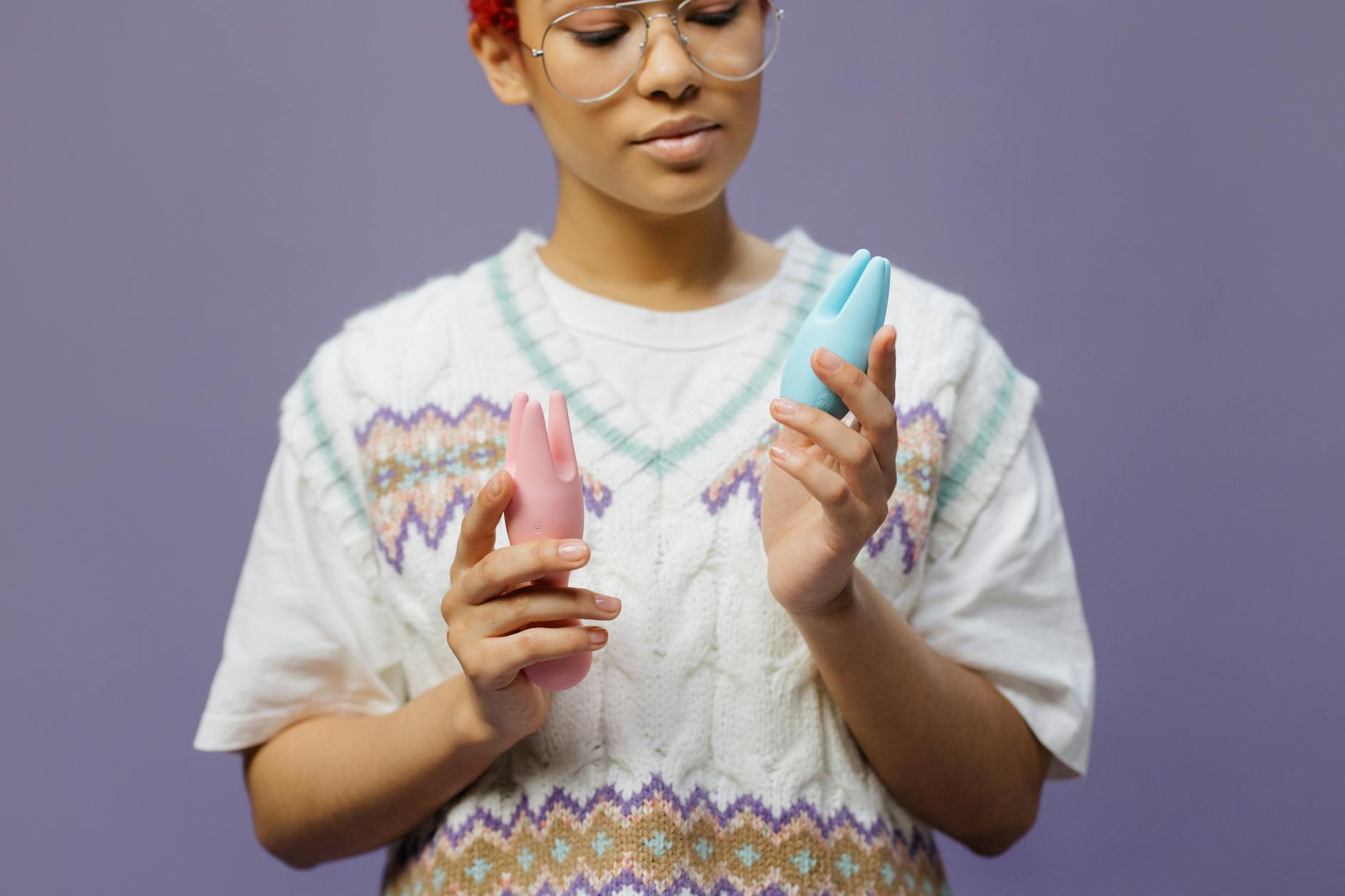
This is where a lemon clitoral vibrator changes things. Unlike partnered touch, it removes the social obligation. Nobody's watching. Nobody's waiting. You're not performing recovery for someone else.
Start at pattern 1. The lowest, gentlest setting. Spend 15 minutes (time it, genuinely) doing nothing but noticing what the sensation is. Not whether it's "working." Not whether you should be getting more aroused. Just: what does this feel like? Is it pleasant? Neutral? Uncomfortable? All three at once?
Building back body trust
Illness damages body trust. Your body betrayed you. It went offline. So reconnecting requires you to literally build a new relationship with it. This sounds abstract until you're standing there with a lemon vibrator wondering if your body's going to cooperate this time.
Here's what I recommend: use the vibrator 2-3 times per week without any goal attached. Not aiming for orgasm. Not trying to reach some benchmark. Just visiting your own pleasure for 15-20 minutes. Notice what changes week to week. Does sensation get sharper? Does arousal build faster? Do you feel more mentally present? Those micro-shifts matter more than a climax.
If you're doing this while in a relationship, tell your partner what you're doing and why. "I'm relearning my body after being unwell. I need some solo time for this." Most partners respect that clarity more than they respect silence followed by pressure.
How to use a lemon sucker or vibrator with a partner (when you're ready)
When desire returns enough that you want to share it, the conversation matters more than the tool. Tell them:
- You're still relearning what feels good
- You might need to pause mid-experience if your body gets overwhelmed (fatigue can surprise you, even when desire feels present)
- You want to go slower than you used to
- You'd like them to follow your lead on intensity and pacing
Then use the lemon vibrator together. Some partners find watching incredibly hot. Others prefer you direct them on how to use it on you. Neither is better. Your preference is what matters.
Start with external stimulation only. Skip penetration the first few times. Your pelvic floor has probably tightened from disuse. A gentle external vibration wakes up the nerve endings without asking muscles to relax into something they've forgotten how to do.
The medical reality of desire return
If you're on medication, some of it suppresses arousal. This is worth discussing with your prescribing doctor, especially if you're on SSRIs or other meds that are known libido-flatteners. Sometimes timing the medication differently helps. Sometimes switching to a similar drug with fewer sexual side effects is possible. Don't just live with it as an unchangeable fact.
If you've had surgery or a procedure that involved your pelvic region, scar tissue can tighten things up. A pelvic floor physical therapist can teach you how to gently work with (not against) that tissue. This is actual medical recovery, not something you can just willpower through with a lemon clitoral vibrator.
But if you're medically cleared to return to sexual activity, a vibrator is one of the safest re-entry tools. It's controlled, non-invasive, and lets you set the pace entirely.
Why sensation matters more than orgasm right now
One of the biggest mindset shifts after illness is learning to value sensation over outcome. An orgasm is binary. You either had one or you didn't. Sensation is infinite. It exists on a spectrum. And after a long illness, reconnecting with sensation is often more meaningful than reaching climax.
You might have a session with your lemon vibrator where the pleasure is quiet. Subtle. Nothing like it used to be. That's not failure. That's your nervous system saying it's rebuilding. Celebrate it like you would celebrate a major milestone, because it is.
Some people find that their orgasms feel different post-illness. Shallower. Longer. More diffuse. These aren't permanent changes, necessarily, but they might be present for a while. Get curious about them instead of frustrated.
How often should you explore
There's no "right" answer, but here's what I see work: 2-3 times per week of solo exploration, then add partnered experiences once that feels sustainable. If you're managing fatigue or chronic symptoms, you might need 48 hours between sessions to recover. That's not lazy. That's respecting your actual capacity.
If you're finding that sexual desire is returning but immediately gets flooded with guilt, shame, or memories of your illness, talking with a therapist trained in sexual health and recovery is worth the investment. Sometimes desire doesn't just return on its own. Sometimes it needs permission. Professional permission helps.
The permission piece (this matters most)
Your body went through something difficult. It survived. Now it's asking for pleasure again. That's not trivial. That's profound. You don't owe anyone else justification for exploring your own body. Not a partner, not a doctor, not yourself.
A lemon vibrator is a tool that says: I'm giving myself permission to feel good. Not because anyone else wants me to. Because my body deserves it.
That's where recovery actually lives.
FAQ: Desire recovery and using lemon vibrators
How long does it typically take for sexual desire to return after a long illness?
There's no standard timeline. For some people, desire starts emerging within weeks of physical recovery. For others, it takes months or years. The length of the illness, the type of treatment you received, your emotional processing, and your relationship dynamics all influence timing. More importantly, comparing your timeline to someone else's is useless. Focus on noticing the small shifts in your own body.
Will using a lemon clitoral vibrator feel weird or uncomfortable the first time?
Probably, yes. Your body might not know what to do with the sensation. That's completely normal and not a sign that something's wrong. You're literally reintroducing yourself to pleasure. Discomfort often comes before comfort. Give yourself 4-5 sessions before deciding whether it works for you. Your nervous system needs time to recognize the vibration as safe and pleasurable.
Should I tell my partner I'm using vibrators during recovery?
If you're in a relationship, yes. Not as a confession or apology, but as information. "I'm exploring my body again with a vibrator while I recover." Honesty builds trust. Secrecy builds distance. If you're worried about your partner's reaction, that's a separate conversation worth having, possibly with a couples therapist. Your recovery needs come first.
Can using a lemon vibrator help with desire that isn't coming back?
Sometimes. If desire is completely absent six months or longer after physical recovery, that usually points to something emotional or hormonal that a vibrator alone won't fix. That's when working with a therapist or a doctor trained in sexual health becomes important. A vibrator is a tool for reconnecting with desire. If desire isn't accessible right now, that's information your body is giving you. Listen to it.
What if I use the vibrator and it triggers memories of my illness or feels scary?
Stop immediately. This isn't a failure. Your nervous system is telling you it's not ready yet. Take a break for a few days or weeks. Try again when you feel more grounded. If the fear or triggering doesn't soften with time, working with a trauma-informed therapist can help you process what happened and gently rewire your nervous system's relationship to pleasure.
Is it normal to feel guilty about wanting pleasure while recovering?
Very normal. Many people internalize the idea that pleasure is frivolous or indulgent while they're unwell or recovering. That's often cultural or religious messaging. Pleasure is actually a vital part of healing. It tells your nervous system that the threat has passed. It rebuilds your sense of self beyond illness. Give yourself explicit permission. Write it down if that helps. You deserve pleasure.
How do I know if my body is truly ready versus if I'm just forcing myself?
Ready feels like curiosity. Forcing feels like obligation. Ready shows up as actual physical sensation. Forcing shows up as watching yourself from outside your body. If you're noticing genuine arousal, relaxation in your pelvic floor, and pleasure (even mild), you're probably ready. If you're doing it because you think you should, or because a partner wants you to, pause and reconnect with your own desire first.