Let's talk about the rhythm problem nobody mentions
You and your partner get into bed. You're ready. They're not quite there yet. By the time their body catches up, yours has already peaked or plateaued. Or the opposite: they're moving faster than feels good for you, and by the time you ask to slow down, the moment's already shifted. These aren't small frustrations. They're the kind of mismatch that quietly erodes connection over months or years.
The real problem: you're trying to solve a timing issue by syncing your bodies, which is like asking two different instruments to play the same note at the same time. One's a violin, one's a cello. They're never going to have the same tempo naturally.
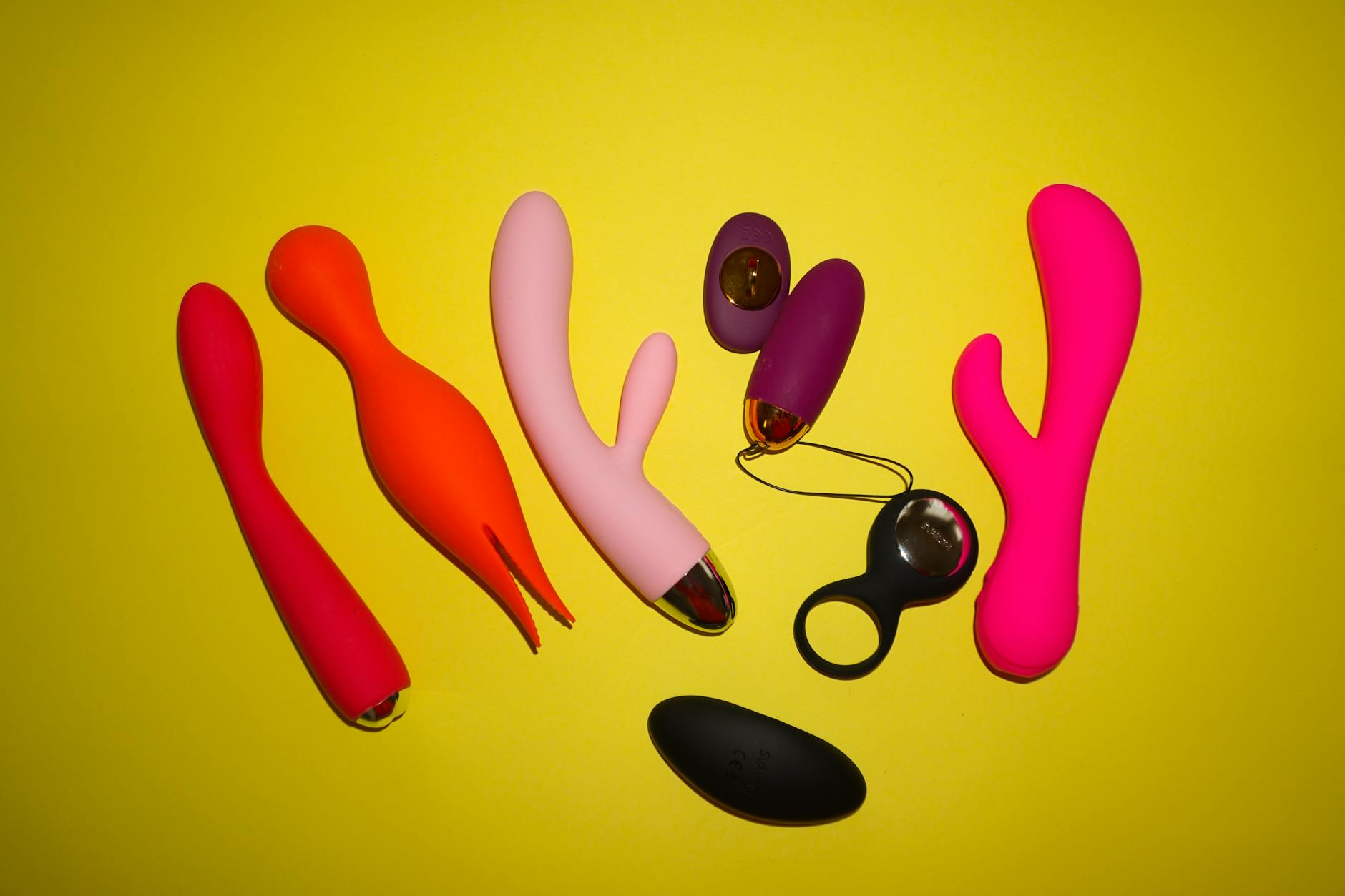
Lemon vibrators, and clitoral vibrators in general, don't fix your relationship, but they do solve the logistics problem. Which means you can actually focus on the connection part.
Why rhythm mismatch happens (and why it's not about attraction)
First, the reassurance: this is normal. It's not a sign you're incompatible or that desire is fading.
Here's the physiology. Women's arousal is genuinely slower to build on average. Men's is often faster to rise and faster to drop. These aren't rules—they're tendencies. Add in real life: different stress levels that day, different medication side effects, one partner being in their head, one being fully present. Bodies don't cooperate on a schedule.
The partnered sex problem is that it forces both of you to move at the same pace, even though your nervous systems are operating on completely different timelines. Someone has to slow down, someone has to speed up, and neither person gets what actually feels good. That's not intimacy. That's coordination.
Lemon sexual toys solve this by decoupling pleasure from timing. You're not waiting for them. They're not waiting for you. You can each pursue what your body needs and still be together.
How lemon vibrators bridge the rhythm gap
Let's say your partner reaches climax in 8 minutes and you typically need 15. Without a toy, one of three things happens: they finish and you're left mid-arousal (frustrating), or you rush yourself and don't finish at all (also frustrating), or you both pretend this is fine and it becomes a quiet resentment. With a lemon clitoral vibrator, the math is different.
You begin together. Your partner moves at their pace. You use the vibrator at yours. When they're done, you keep going. When you're close, they can slow down or stay still so you don't lose focus. The vibrator gives you independent control over your own pleasure. And honestly? That takes pressure off both of you.
The Lem works especially well here because suction-based stimulation reaches nerves in a way that holds consistent sensation. You're not dependent on external rhythm. You're in charge of the pattern and intensity, which means you can maintain arousal even if your partner is staying still, breathing, or just present without performing.
The conversation that changes everything
Here's what doesn't work: "I need you to go slower" or "Can you last longer." Both put responsibility on your partner's body, which they often can't control. What actually works is shifting from "how do we sync" to "how do we both get what we need."
Try this instead: "I love being with you. I also know my body takes about 15 minutes to build to orgasm, and that's not something I can rush. What if we used a toy so I can take my time while we're together, and there's zero pressure on either of us to perform."
The second part is important: zero pressure. Partners often worry that bringing in a toy means their touch isn't enough or they're being replaced. They're not. The toy handles the timing logistics. Your partner handles the emotional presence, kissing, proximity, eye contact, the stuff that actually builds intimacy. You're dividing and conquering.
If your partner's rhythm issue is that they finish too fast, same conversation applies. Lemon adult toys give you agency to finish when you're ready, without making them feel responsible for your orgasm.
Practical setup that works
Three things make this seamless:
1. Start with toy solo first. If either of you is new to lemon vibrators, use it alone before partnered play. You need to know what sensation you actually like and what intensity works. When you know that, you can guide your partner ("lighter pressure, this pattern") instead of figuring it out together in the moment.
2. Position matters more than you think. If you're using a clitoral vibrator during penetrative sex, some positions give you better access and control. Positions where you're on top or side-by-side with your partner tend to work better than positions where they're driving the motion. You need to be able to hold the toy steady while they move.
3. The pause is your friend. When your partner is close and you're not, ask them to hold still. Not to stop. Just to pause rhythm-wise so you can focus. This isn't rejection. It's partnership. You're both in the bed, connected, just not moving for 30 seconds.
When rhythm mismatch is actually something else
Sometimes the rhythm thing is a symptom, not the root problem.
If you're experiencing numbness during partnered sex but sensitivity when solo, that's a different conversation. If penetration feels painful and you're overcompensating by rushing through, that's also different. If your partner's rhythm is fine but you genuinely can't focus or stay aroused no matter what, that could be medication, stress, or relationship tension that a toy doesn't fix.
Lemon vibrators handle the pure timing issue beautifully. They don't handle emotional disconnection, pain, or numbness. For those, you need conversation, possibly a therapist or doctor, and sometimes both.
The pleasure piece you might have missed
Here's what happens once the timing pressure lifts: you actually start enjoying sex again. When you're not keeping half your brain on "am I close, how close, should I fake it," you can be present. When your partner isn't trying to pace themselves or hold back, they can be present too.
The paradox is that using a toy often brings you closer together because you're no longer fighting your own bodies. You're on the same team.
Lemon clitoral vibrators aren't about replacing your partner. They're about freeing you both to actually show up.
FAQ
Will using a vibrator make my partner feel insecure?
Maybe, if they believe the myth that toys mean you want them less. That's why the conversation matters. Frame it as "I want to be with you AND have orgasms consistently" not "your touch isn't enough." If they're still worried after you explain, ask them directly: "What would help you feel secure?" Often it's just reassurance or staying in eye contact during, or them holding you while you use it. You can customize this to your relationship.
What if my partner wants to use the vibrator on me instead of me using it?
That's fine and often great. The difference is that you lose some direct control of pressure and speed. Communicate what feels good: "A little lighter on the left side" or "same pattern but slower." You're still guiding your own pleasure. They're just operating the tool.
How do I know if my rhythm mismatch is actually about incompatibility?
If the timing gap is the only issue, it's almost certainly not. If there's deep emotional disconnection, resentment, mismatched desire levels, or pain, that's different. A toy won't fix relationship problems. But if you actually like each other and just have different arousal timelines, this solves it.
Can I use a lemon vibrator if I take antidepressants that slow my arousal?
Yes. Antidepressants can absolutely flatten sensation or extend the time needed to reach climax. A vibrator can help reclaim some of that speed, though the numbness itself might need a medication adjustment. Talk to your doctor about whether the timing is worth the tradeoff, or whether switching to a medication with fewer sexual side effects makes sense for you.
What if using a toy makes me feel weird or uncomfortable?
Start smaller. Try How to Use a Lemon Clitoral Vibrator When You Want to Explore Solo First to build comfort in private first. You're not committing to partnered use forever. Solo exploration helps you figure out if the weirdness is the toy itself or the idea of toys. Often it's just exposure.
Does the type of vibrator matter for rhythm mismatch?
Yes. Air-suction toys like the Lem give you consistent sensation independent of external motion. They're excellent for rhythm mismatch because you don't need your partner to maintain a particular tempo. Bullet vibes work too, but they're more dependent on you holding them in the right spot. Wand vibrators are great if you like broader stimulation. Pick whichever feels best to your body.
The shift that matters
Rhythm mismatch feels like a sex problem, but it's actually a communication problem. Once you frame it as logistics instead of failure, it becomes solvable. Lemon vibrators are the logistics solution. The communication is your job.
Your pleasure matters. Your partner's pleasure matters. And you don't have to choose between them.