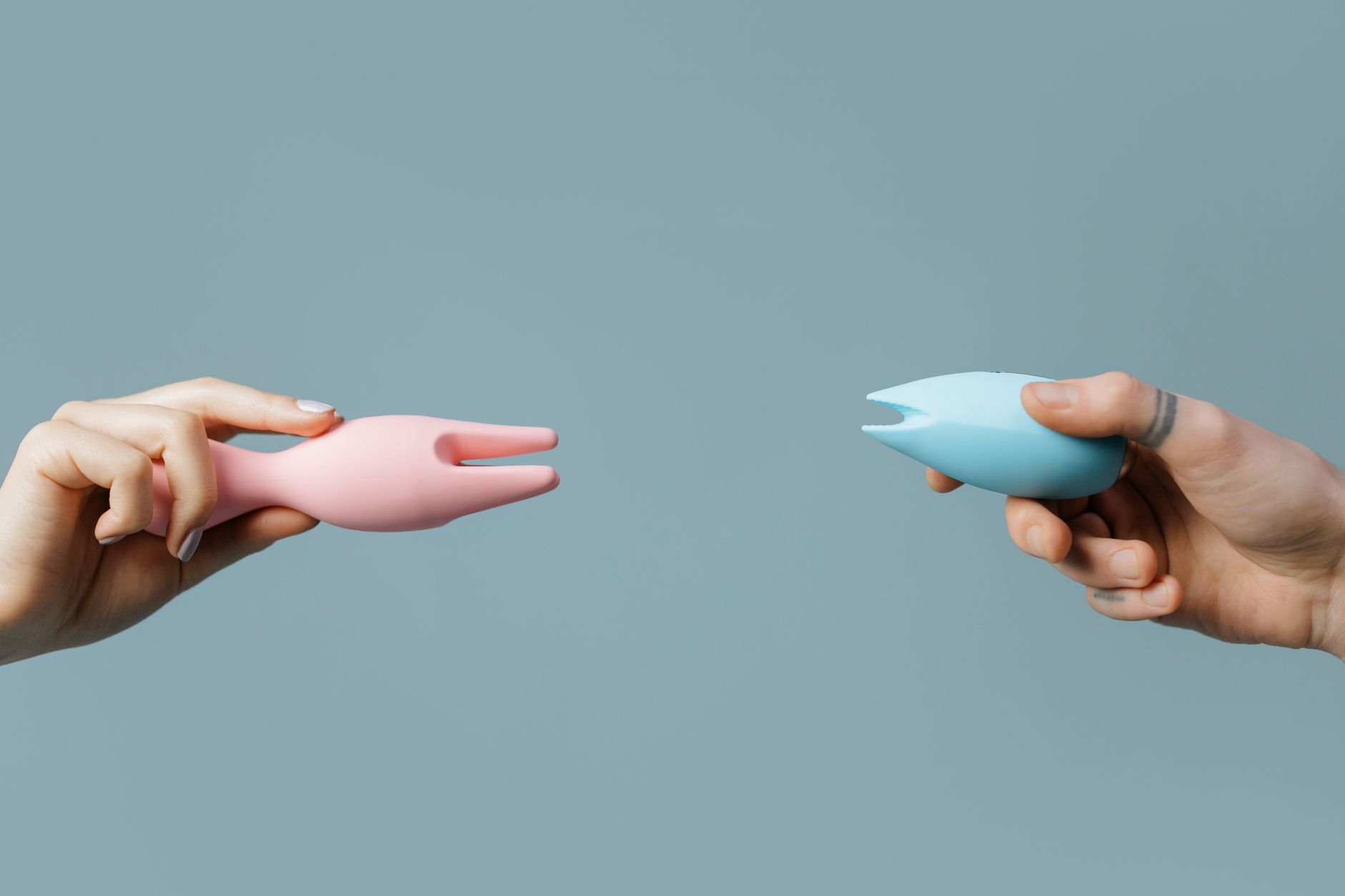
How to Use Lemon Vibrators When Recovering From Pelvic Surgery
Pelvic surgery doesn't mean goodbye to pleasure. Here's how to safely reintegrate touch, rebuild sensation, and use clitoral vibrators as part of your healing journey.
Your surgeon said "avoid intercourse for six weeks" or eight weeks or twelve, depending on what happened down there. What they didn't say was what comes after. What does pleasure look like when your body is still learning to trust itself again? How do you rebuild sensation when surgery has made everything feel unfamiliar?
Honestly, most people aren't given a roadmap. They're given a timeline and sent home. That's where lemon vibrators and clitoral stimulation tools become genuinely useful, not as a shortcut to recovery, but as a way to stay connected to pleasure while your body heals.
Surgery to the pelvic region (hysterectomy, endometriosis removal, fibroid surgery, C-section, or vulvovaginal procedures) alters sensation, blood flow, and nerve pathways. Tissue is traumatized, even when the surgery goes perfectly. Your nervous system registers that and locks down access to pleasure as a protective mechanism.
This is not a psychological problem. Your body isn't broken. It's doing exactly what it's supposed to do: prioritize healing over sensation. But that protective shutdown can linger long after the medical team says you're "cleared." Three months post-op, six months post-op, sometimes longer. People describe the area as numb, tingly, hypersensitive, or completely disconnected from erotic sensation.
Lemon vibrators like the Lem work differently than other toys. They use suction and pulsation rather than direct vibration, which means you can control intensity in a way that works for recovering tissue. No harsh friction. No pressure on sensitive scars. Just stimulus that gradually reawakens nerve endings without forcing anything.
Your surgeon cleared you for intercourse at six weeks or twelve weeks. That's one benchmark. But pleasure has its own timeline, and it's usually slower.
Weeks 1-4 post-op: No touch to the surgical site. Let your body stabilize. If you have internal stitches, they're still dissolving. This is not the time to introduce anything new.
Weeks 4-8: You might notice sensation returning. Itching, tingling, or weird pressure sensations are common. Your nervous system is waking up. This is actually a green light to start gentle exploration on your own, above the stitches or scar line. Not for orgasm. Just for reconnection. Use your hands first. Let yourself notice what feels warm versus raw versus absent.
Weeks 8-12: If your surgeon has cleared internal contact and you're not experiencing pain, this is when you might introduce a clitoral vibrator. The Lem's suction pattern is particularly useful here because it stimulates without direct pressure. Start at the lowest setting. Build slowly. The goal is reestablishing the neural pathway between your clitoris and pleasure, not achieving orgasm on a timeline.
Three months onward: By now, tissue has usually remodeled enough to tolerate firmer sensation. If you're comfortable and pain-free, you can explore the full range of the Lem's intensities. Many people find their sensation actually sharpens once they're fully healed because they're paying more attention, and the recovery process has reset their nervous system.
Bring it up. Not as "I want to use a vibrator." As "I'm wondering when it's safe to resume self-pleasure, and what signs should I watch for." A good surgeon will tell you: avoid direct pressure on the scar, watch for pain or bleeding, and trust your body's signals over their timeline.
If you had internal surgery, your doctor might ask about depth. The Lem is external, clitoral only, so it's almost always safe. If you had vulvovaginal surgery (labiaplasty, vaginoplasty, episiotomy repair), give scar tissue time to remodel. This usually takes 12-16 weeks. Using a clitoral vibrator well above the scar is fine much earlier. Just don't aim directly at the incision site.
Pain during use is your stop signal. Not discomfort, not awkwardness. Actual pain. If the Lem causes sharp or burning pain, wait two more weeks and try again. Your nervous system is still in recovery mode.
After pelvic surgery, lying on your back might feel vulnerable or uncomfortable. Your surgical site was below you. Your brain remembers that.
Try side-lying instead. Turn onto your left or right side, bend your top leg slightly, and use the Lem from there. This removes pressure from the surgical area and gives your nervous system permission to relax. You're not pinning yourself over the vulnerable spot.
Sitting propped up with pillows also works well. You have control, you can see what you're doing, and you're not bearing weight on the healing area. Some people prefer standing in the shower. The warm water increases blood flow and relaxes the pelvic floor. Start there if lying down feels too exposing.
Surgery tightens the pelvic floor. Not always, but often. Your body clenched protectively during recovery, and those muscles haven't learned to let go. Clitoral vibrators don't solve this alone.
Before using the Lem, spend two minutes just noticing your pelvic floor. Can you feel it? Is it tight? Practice softening it with your breath. Inhale through your nose for four counts, then exhale and imagine your pelvic floor melting downward for six counts. Do this three times. Then use the vibrator.
This changes everything. A relaxed pelvic floor means better sensation, easier arousal, and often stronger orgasms. A tight pelvic floor means you're fighting against yourself. Surgery often leaves the pelvic floor in a clenched state, so this reset is crucial.
Scarring is normal. It's also senseless at first. The scar tissue itself has fewer nerve endings than the skin it replaced. This feels like numbness in a specific area. It's not permanent. Sensation slowly returns over months and years as your nervous system remaps the area.
Clitoral vibrators help accelerate this. Gentle, repeated stimulation encourages your nervous system to reestablish connections. Use the Lem on the lowest setting for just 30 seconds at a time in the first weeks. Increase duration as comfort grows. Your brain is slowly recognizing "oh, that area is safe again."
If you have external scar tissue (from episiotomy or vulvovaginal surgery), avoid direct contact until it's fully healed. Focus on the clitoris, which is higher up and usually unaffected. Once the scar has remodeled (usually 12-16 weeks), you can gradually include the scarred area in your pleasure exploration.
Some people regain full sensation in three months. Others take a year. Post-surgical numbness or shooting nerve pain (neuropathic pain) can persist, and that's not a sign you're doing something wrong. It's a sign your nervous system needs more time or possibly medical support.
If pain worsens or doesn't improve with time, ask your surgeon about pelvic floor physical therapy. A pelvic floor PT can release tension, mobilize scar tissue, and work with your nervous system in ways that a vibrator can't. This isn't instead of pleasure tools. It's alongside them. You're giving your body every possible resource.
Desire often comes back slowly. You might feel ready to use a lemon clitoral vibrator before you feel interested. That's normal. Your brain and body are on different timelines. Start the reconnection work anyway. Desire often follows sensation. You're priming the pump.
If you're in a relationship, this is a moment to renegotiate touch. Surgery creates vulnerability and often resentment, even in strong partnerships. You might feel touched out or untouchable. Your partner might be afraid of hurting you.
Using a lemon vibrator can actually help with this. It gives you a tool that's about your pleasure, not your partner's access. You're the one controlling sensation. You're the one deciding when and how and how intensely. That autonomy is healing in itself.
Consider using it together if that feels comfortable. Not as sex, but as reconnection. Your partner holding you while you explore the Lem, or even just being present while you do. This rebuilds trust in the surgical area and reminds your nervous system that pleasure is possible again.
Clitoral stimulation is usually safe long before penetrative sex is. This is actually a gift. You have months of rebuilding time before you need to navigate partner sex. Use that time.
Start solo. Use your Lem until you feel confident again. Then, if your surgeon has cleared partnered sex, you can add partner touch alongside the vibrator. Clitoral suction toys like the Lem pair beautifully with hands and mouths and bodies, once the surgical site has healed enough to tolerate that.
You're not racing toward penetration. You're rebuilding pleasure architecture, layer by layer, at your own pace. This foundation matters.
No. Your body needs time to stabilize. Most surgeons recommend waiting four to six weeks before any internal touch, and eight to twelve weeks before using toys that might contact the surgical area. External clitoral vibrators are lower-risk, but even then, wait until tissue has begun healing and your surgeon has cleared any sexual activity. Pain is your signal to stop.
Not if you're gentle and intentional. A lemon clitoral vibrator like the Lem stimulates the clitoris, which is usually above the surgical site. Gentle, controlled stimulation actually helps remodel scar tissue and restore nerve sensation over time. Avoid direct pressure on active scars, and start at low intensities. Your scar tissue will get stronger, not weaker.
It varies widely. Some people regain full sensation within three months. Others take six months to a year. Post-surgical numbness is common and usually resolves gradually with time and gentle stimulation. Pelvic floor physical therapy can speed this up. If numbness persists beyond a year or is accompanied by pain, talk to your surgeon.
Completely normal. Surgery is a form of trauma. Your body prioritizes healing over desire for weeks or months. Adding clitoral vibration can help restart the pleasure pathway even when desire hasn't fully returned. Often, sensation and pleasure return first, and desire follows.
There's no medical reason to avoid orgasms once your surgeon has cleared sexual activity, as long as they don't cause pain. Orgasms increase blood flow and help tissue heal. That said, your body might not be interested, and that's fine too. Don't force orgasm. Let it happen naturally as healing progresses.
Stop immediately and contact your surgeon. Pain or bleeding is a sign tissue isn't ready. Wait at least two more weeks before trying again. You might be healing more slowly than average, and that's okay. Your timeline is valid, even if it's longer than the standard recovery protocol.
Pelvic surgery is a turning point. Your body has been through something significant. Recovery is not about rushing back to where you were before. It's about rebuilding pleasure thoughtfully, on your own timeline, with tools that support rather than force healing.
A lemon clitoral vibrator is one tool in that recovery process. Used with intention, patience, and medical guidance, it can help you reconnect to pleasure, rebuild sensation, and prove to your nervous system that your body is still capable of joy.
That matters. And you deserve support through it. If you have questions about your specific situation, reach out. We're here to help.