Let's start with what matters most
Rebuild is the right word. You're not starting from zero, and you're not broken. What happened to you was not your fault, and reclaiming pleasure is not about "getting over it" fast. It's about moving at your own pace, with tools that give you control.
Lemon clitoral vibrators can be part of that process, but only if you understand how to use them in a way that feels safe, grounded, and genuinely yours.
Why this journey looks different for everyone
Trauma rewires the nervous system. Your body may have learned to protect itself by shutting down sensation, bracing against touch, or flooding with panic when things feel intimate. That's not a character flaw. It's a survival mechanism that worked.
Healing doesn't mean erasing those responses overnight. It means gradually, carefully, teaching your nervous system that pleasure can exist alongside safety. That's where intentional self-pleasure comes in. Unlike partnered sex, solo exploration gives you absolute control over pace, intensity, and what happens next.
This is why many therapists working with trauma survivors specifically recommend clitoral vibrators like the Lem. You choose when to start, when to stop, when to take a break. That autonomy is healing in itself.
The three phases of rebuilding
Phase 1: Reconnection without stimulation. Before you even touch the Lem, spend time getting reacquainted with your body with zero pressure for sensation or response. This might look like gentle self-massage, warm baths, or simply sitting with your body and noticing what's there without trying to change it. This phase can take days, weeks, or months. There's no deadline.
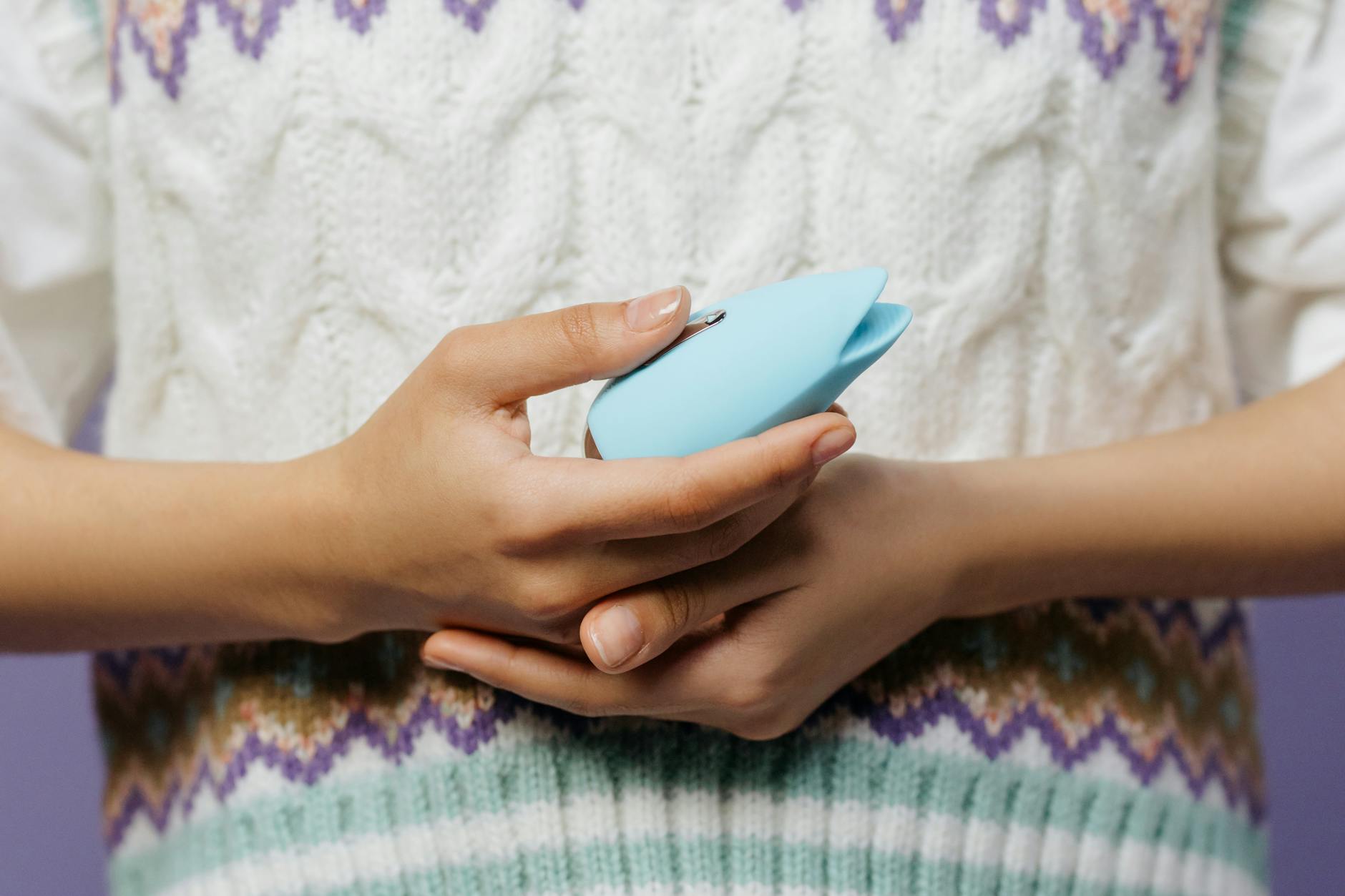
Phase 2: Exploration with the device off. Once you feel ready, hold the Lem, feel its weight, its texture. Notice your body's reaction. Does touching it feel okay? Does it trigger anxiety? Sit with whatever comes up. If anxiety rises, that's information, not failure. You can set it down and return another day.
Phase 3: Low-intensity stimulation with full control. When you're ready, use the Lem on the lowest setting, for 30 seconds at a time. You're not chasing an orgasm. You're building a new neural pathway: stimulation equals my choice, equals safety.
Practical strategies for staying grounded
Dissociation is common during sexual trauma recovery. Your mind might leave your body without warning, even during moments that feel safe. Lemon vibrators won't prevent dissociation, but a few practices help keep you anchored.
Use the five senses. Before turning on the Lem, notice five things you can see, four you can touch, three you can hear, two you can smell, one you can taste. This grounds your nervous system in the present moment.
Keep one hand free. Use the vibrator with one hand while your other hand rests somewhere comforting. This reminds your body it has agency and can stop or adjust at any moment.
Set a timer for five minutes and give yourself full permission to stop at two. Knowing you have a boundary makes it easier to stay inside it. When you build a track record of stopping when you choose to, your nervous system learns: I can trust myself here.
Breathe deliberately. Shallow breathing signals danger to your nervous system. Before and during, inhale for a four count, hold for four, exhale for four. This single practice has more impact than you'd expect.
When to pause or ask for help
Some days, your body will feel open and responsive. Other days, the same stimulation that felt fine yesterday will feel impossible. Both are normal.
If flashbacks occur consistently during self-pleasure, talk to your trauma therapist before continuing. The goal is healing, not exposure. A trained trauma specialist can help you pace the process so your nervous system doesn't go into overdrive.
If physical pain appears, pause. Sexual trauma sometimes coexists with vaginismus or pelvic floor tension, where muscles clench involuntarily around the opening or deep inside. A pelvic floor physical therapist can help retrain those muscles so sensation and penetration stop hurting.
If shame floods in, that's the trauma speaking, not truth. Pleasure is not something you owe anyone, and it's not something you need to earn back. You already own it. You're just learning to access it again.
Building your own rhythm
Every person's timeline is different. Some people feel ready to use a lemon vibrator three months after trauma; others need three years. Both timelines are correct.
What matters is that you're choosing this for you, not because a partner wants it or because you think you "should" be over it by now. Rebuilding pleasure is a act of self-care, not a performance.
When you do use the Lem, start with the lowest intensity. Many trauma survivors find that suction-based clitoral vibrators like the Lem feel gentler and more controllable than traditional vibrators, because you're directing stimulation from a slight distance rather than pressing directly on sensitive tissue. This creates a buffer between your body and the intensity.
If the lowest setting still feels too strong, use it over your underwear or place a thin fabric between the Lem and your skin. You're not being "too sensitive." You're honoring where your nervous system is right now.
The role of partnered support
If you're rebuilding within a relationship, communication is everything. Your partner needs to know this is about you reclaiming your own pleasure, not about them. If they can understand that solo exploration is not a rejection but a foundation for future intimacy, that context changes everything.
You don't owe your partner access to your healing process. You don't need to perform recovery for them. But if they're willing to respect your boundaries, be patient with your pace, and celebrate small wins without pressure, that support can ease the journey.
Many people find that once they've spent time using a lemon clitoral vibrator alone and rebuilding confidence in their own pleasure, they can eventually, if they choose, share that with a partner. But "if you choose" is the operative phrase.
How to talk about this with a therapist
Your therapist doesn't need to know the specifics of what vibrator you're using, but they should know you're exploring self-pleasure as part of your healing. A good trauma-informed therapist will support this. If your therapist shames you for it or dismisses it as unhelpful, that's information that you might benefit from a different clinician.
Bring questions about pacing, grounding, and what to do if flashbacks occur. Your therapist can help you build a safety plan so you know exactly what to do if things become overwhelming.
The bigger picture
Using a lemon vibrator during trauma recovery is not the same as healing the trauma. Healing requires therapy, time, and often community. But reclaiming your body's capacity for pleasure is part of healing. It says to your nervous system: this body is mine, and I decide what happens in it.
That's powerful. Take your time.
People also ask
Can using a vibrator re-traumatize me?
It's possible if you move too fast or ignore your body's signals. That's why pacing matters so much. The goal is to use the vibrator as a tool for building safety and control, not as a way to force yourself past anxiety. If you're moving slowly, pausing often, and stopping when discomfort arises, you're building trust with your own body, not eroding it.
What if I have flashbacks while using the Lem?
Stop immediately. There's no shame in this. Ground yourself using the five senses technique, then move away from the vibrator. In your next therapy session, talk about what triggered the flashback. It's information that helps your therapist help you pace the healing better. You might need to stay in phase one or two longer before moving to stimulation, and that's entirely okay.
Is it normal to feel numb when I try to use a lemon vibrator?
Yes. Trauma often causes emotional numbing alongside physical numbness. Your nervous system is protecting you. Numbness is not a sign that the vibrator isn't working or that you're broken. It's a sign that your healing is still in progress. Keep using it only if it feels safe, and know that sensation often returns gradually, over weeks or months.
How often should I use the Lem while healing from trauma?
There's no "should." Some people benefit from using it once a week; others find daily gentle exploration helpful. The key is that every session feels like a choice, not an obligation. If using it starts to feel like homework or pressure, pull back. Pleasure should never feel forced.
Can I use a lemon vibrator if I'm also taking antidepressants or anti-anxiety medication?
Most medications that treat trauma-related anxiety or depression don't prevent vibrator use, though some can affect sensation or arousal. Talk to your prescriber about any concerns. If medication is reducing your ability to feel pleasure, that's worth discussing with your doctor. There are often adjustments that can help.
What if my partner wants to use the vibrator with me before I'm ready?
Your body, your timeline, your choice. A partner who respects your boundaries around this is demonstrating love. A partner who pushes or pressures you is showing you something important about how they view your autonomy. You don't need to justify waiting. "I'm not ready" is a complete sentence.
References and resources
If you're working through sexual trauma, the following organizations offer therapist directories and support:
RAPE, Abuse & Incest National Network (RAINN): 1-800-656-4673 IMPACT: Self-defense and trauma recovery programs The National Center for Victims of Crime: crime-victims.org
For pelvic floor concerns during healing, seek out a pelvic floor physical therapist through the American Physical Therapy Association directory.
Consider finding a therapist trained in trauma-focused cognitive behavioral therapy (TF-CBT) or Eye Movement Desensitization and Reprocessing (EMDR), both of which have strong evidence for trauma recovery.
Your healing matters. You matter. There's no finish line where you have to have "recovered enough" to deserve pleasure. You deserve it now, exactly as you are.