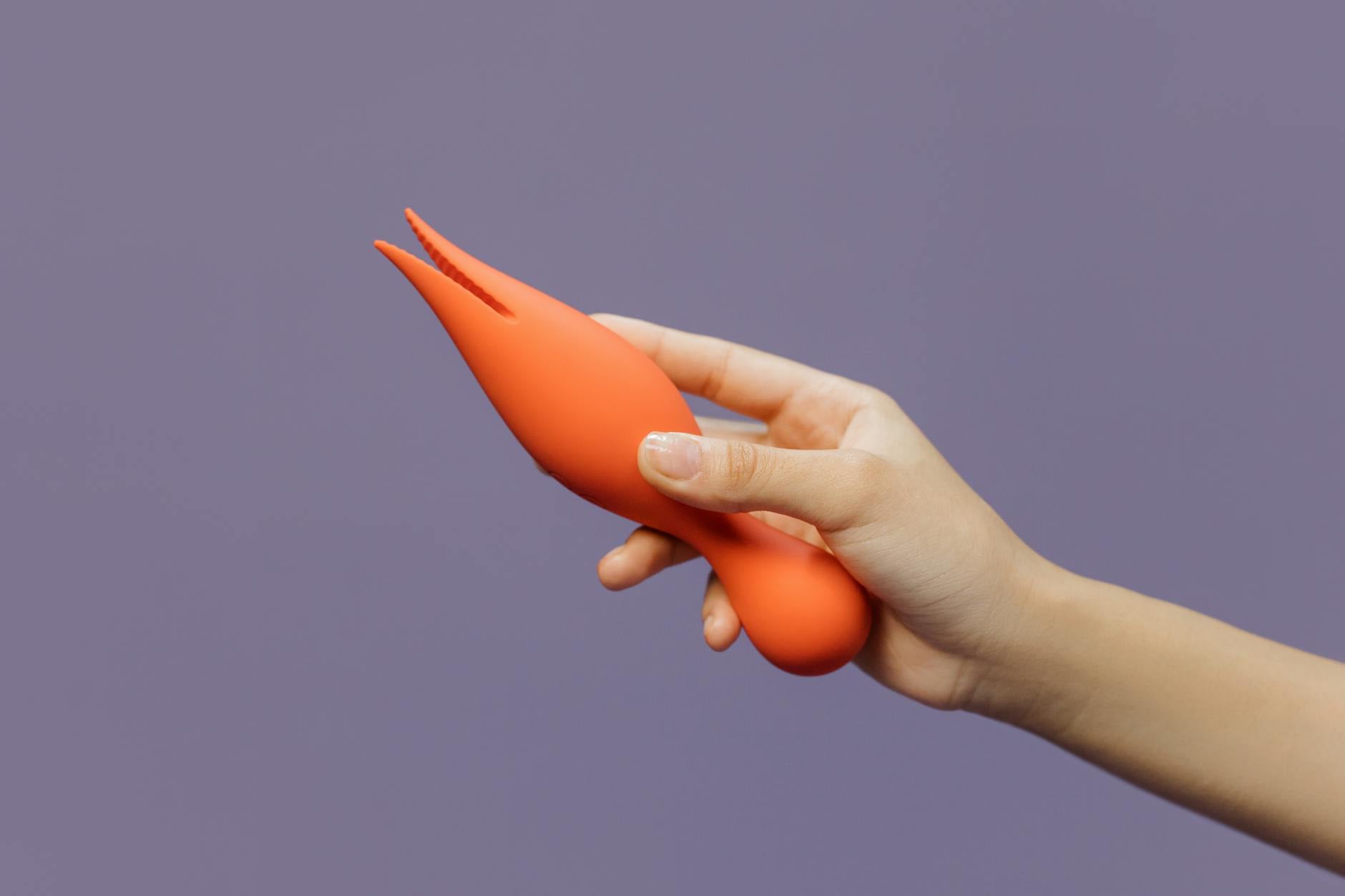
How to Use Lemon Vibrators When Clitoral Orgasms Feel Weaker Than Before
Let's be honest. Something shifted. The orgasms you used to have, the ones that actually felt like something, now feel like a gentle version of their old self. Maybe they're quicker. Maybe they plateau instead of peak. Maybe they take longer to build and then just kind of... fizzle.
You're not imagining it, and you're not broken. Orgasm intensity is one of the first things to change when your body goes through stress, hormonal fluctuation, or aging. The mechanics are still there. The capacity is still intact. But the quality of the sensation has genuinely shifted. Here's what's actually happening and exactly how to use tools like the Lem Vibrator to bring that intensity back.
Why orgasm intensity drops (and it's not just in your head)
Three main culprits show up over and over in my practice: hormonal change, pelvic floor tension, and neural fatigue.
First, the hormonal piece. Estrogen and testosterone both support clitoral blood flow and nerve sensitivity. When either one drops (aging, birth control changes, perimenopause, or just chronic stress), less blood reaches the clitoral tissue during arousal. That means the swelling that creates intensity is literally smaller. Your nervous system is registering the same kind of stimulation as before, but the tissue response is dampened. This is physiological, not psychological.
Second, pelvic floor dysfunction. Most people don't think of their pelvic floor as connected to orgasm quality, but it is. If your pelvic floor is chronically tense (from stress, posture, or past tension patterns), it actually restricts the engorgement that produces an intense climax. You're still having orgasms, but you're having them against a held-tight background noise of muscle tension. It's like trying to hear music while someone's pressing earplugs deeper into your ears.
Third, neural adaptation. If you've been using the same stimulation pattern for years, your nervous system learns to expect it. It stops firing quite as intensely in response. This is why people sometimes feel like masturbation is less satisfying than it used to be. Your body isn't broken. It's just familiar with the input.
All three of these are reversible.
The orgasm intensity gap: what's actually missing
When people describe weaker orgasms, they usually mean one of three things: less muscular intensity (fewer or shallower contractions), a shorter duration of peak sensation, or a longer plateau phase before the actual climax hits.
Lemon vibrators like the Lem work differently than fingers or older vibrators. They use suction and pulsing rather than straight vibration. That distinction matters here because suction creates a different kind of engorgement. It draws blood into the clitoral tissue in a way that pressure-based stimulation doesn't. That engorgement is what produces the intensity.
When you're experiencing weak orgasms, you're essentially experiencing reduced engorgement. The suction mechanism is a direct fix for that. It's not about more power or faster stimulation. It's about changing the kind of pressure your tissue receives.
How to restart intense sensation: the pelvic floor reset first
Before you dive into using the Lem Vibrator, spend two weeks on pelvic floor awareness. Not Kegels (those can actually make tension worse if you're already holding tight). Instead, focus on releasing.
Lie on your back with your knees bent. Place one hand on your lower belly and one on your chest. Breathe in for four counts, and as you exhale, deliberately relax the area between your anus and genitals. Many people have never actually released this area. You're retraining your nervous system to let go there.
Do this five minutes a day. You'll notice that after a few days, arousal starts to build faster, and the sensation feels less like it's being held back. That's your pelvic floor actually releasing.
Once you're getting that release feeling, you're ready to use the Lem.
Using the Lem Vibrator specifically for restored intensity
Start at the lowest suction setting (pattern 1 or 2 on the Lem). You might think you need to jump to high intensity, but that's backward. Your goal right now is to rebuild your tissue's capacity to engorge. Lower suction over longer time creates better, deeper engorgement than maximum suction for 30 seconds.
Build for 10-15 minutes. Let the sensation layer. Don't rush toward orgasm. That's the old pattern that brought you here. Instead, notice when you feel the tissue responding differently. You'll sense more fullness, more blood flow, a deeper ache rather than a surface sensation.
When you do approach climax, increase to pattern 3 or 4. The intensity jump will feel more noticeable against that deeper engorgement. Your orgasm will build to a genuine peak instead of plateauing.
Most people who've experienced this describe their first few orgasms using this approach as noticeably more intense than they'd had in months or years. The difference is real.
Why pattern matters more than power
The Lem Vibrator's pulsing patterns are worth exploring once you've had a few strong orgasms. Many people assume they want "on" and "off" or the highest number. But pattern 3 (steady pulse) or pattern 5 (building wave) actually create more intense sensation for most people because they create momentum. Your tissue doesn't adapt to steady, layered pressure the way it does to constant vibration.
If you've been using traditional vibrators for years, switching to the Lem's suction-based approach with varied patterns is genuinely novel input to your nervous system. That novelty alone often restores intensity.
The stress and hormone piece (what you can actually control)
If your orgasm intensity dropped during a period of high stress or after starting hormonal birth control, the mechanical fix isn't the only fix. Stress suppresses testosterone. Hormonal birth control can suppress it further. A gynecologist familiar with sexuality (not every one is) can help you understand if your specific birth control is the culprit.
For stress, the honest answer is that you can't separate your nervous system from your sexual response. If you're in sustained fight-or-flight mode, your body isn't going to produce the relaxed engorgement that creates intense orgasms, no matter what tool you use.
That said, using the Lem in a ritual way—dedicated time, warm environment, no phone—can actually help reset your nervous system's relationship to pleasure. You're signaling to your body that pleasure is worth the brain space.
When weak orgasms are actually a bigger signal
If your orgasm intensity dropped suddenly over a week or two, or if it's accompanied by pain, numbness, or loss of arousal entirely, check in with a doctor. Vulvodynia, nerve compression, or hormonal shifts beyond the usual suspects can sometimes show up this way.
But if it's been gradual over months or years, and everything else feels normal, you're almost certainly looking at one of the three factors above. And all three respond to the approach I've outlined.
FAQ: Restoring Orgasm Intensity
How long does it take to feel stronger orgasms again?
Most people report noticeable changes within three to five sessions using the approach above. The pelvic floor reset alone takes about two weeks to show up as intensity change. Give yourself a month before you decide anything isn't working.
Can weak orgasms come back on their own without a vibrator?
They can, but slowly and inconsistently. Hands alone won't create the sustained suction and engorgement that restores intensity quickly. Tools like the Lem are designed specifically to address that gap. That said, addressing stress and pelvic floor tension without any tool will help.
Do I need to use maximum power to feel intense again?
No. In fact, maximum suction can sometimes feel overwhelming without the foundation of deeper pelvic engorgement. Start low and build. The intensity jump comes from reaching a genuine peak, not from absolute power.
What if orgasms still feel weak after a month of this?
Talk to your doctor about hormone levels (specifically testosterone and estrogen) and any medications you've started. Sometimes antidepressants, antihistamines, or blood pressure medications reduce orgasm intensity. That's not permanent, but it might require a conversation with your prescriber about alternatives.
Can birth control permanently change orgasm intensity even after stopping it?
No. Hormonal changes from birth control are reversible. It can take 2-3 months for your body to recalibrate after stopping, but intensity returns. If you're still on hormonal birth control and you're noticing the change, it's worth asking your prescriber about progestin load or switching to a lower-dose formula.
Is this normal for my age?
It's common, but not inevitable. Some people experience weak orgasms in their 30s; others feel no change in their 60s. Age alone isn't the culprit. Stress, pelvic floor tension, and hormonal shifts are. Address those, and intensity returns regardless of age.
The bottom line
Weak orgasms aren't a permanent downgrade. They're a signal that something's shifted. That something is almost always addressable. Pelvic floor release, novelty in stimulation, and stress reduction all play a role. Tools like the Lem Vibrator accelerate the process because they're specifically designed to restore the engorgement that creates intensity.
Your body hasn't forgotten how to climax intensely. It just needs a reset. You deserve that peak sensation again, and it's absolutely within reach.
If you're ready to explore this more, reach out to us. We're here to help you figure out what works for your body and your life.