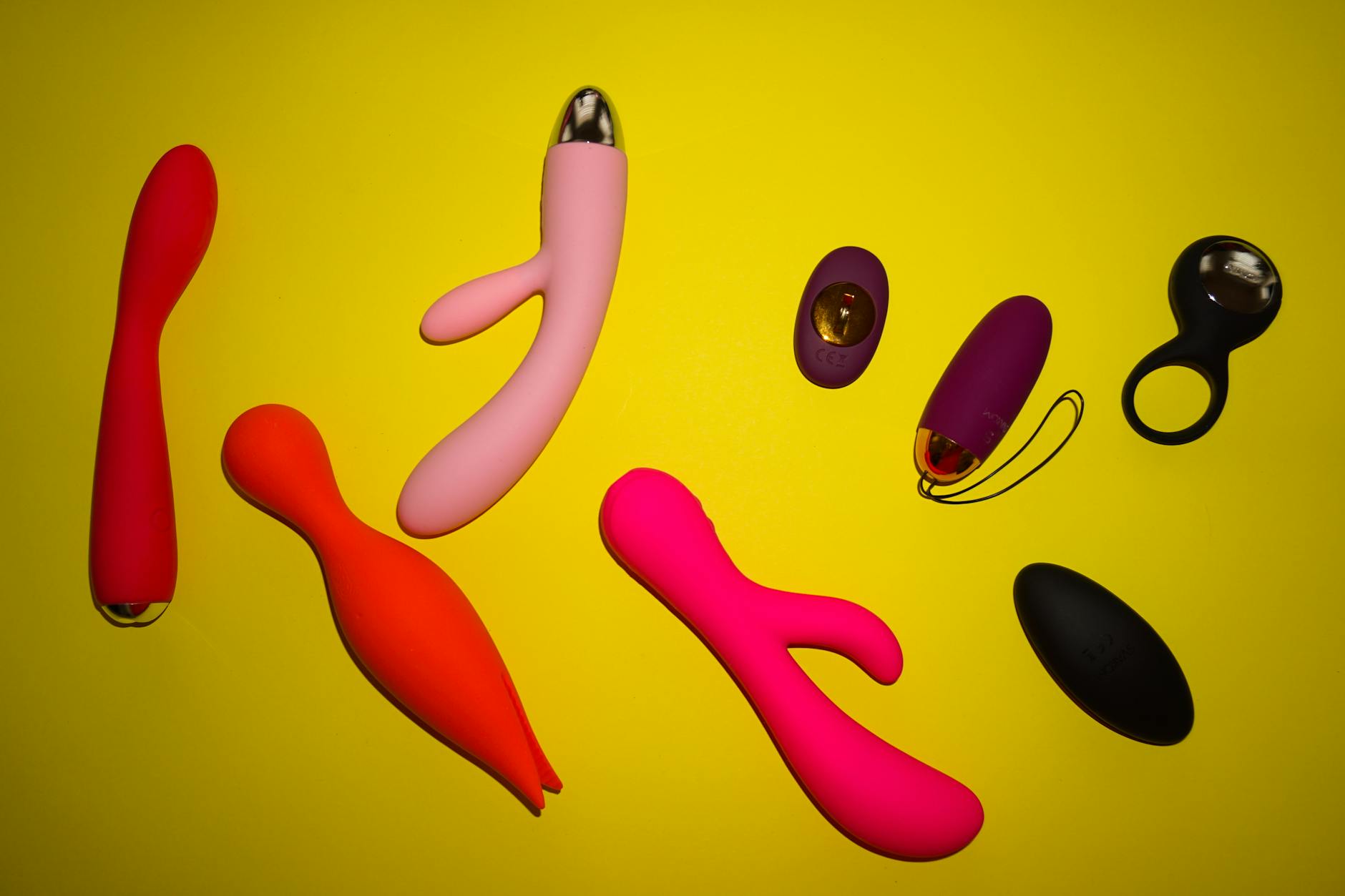
Let's start with what infidelity actually does to desire
It doesn't just hurt emotionally. It rewires your nervous system. Your body stops trusting the person next to you, and more importantly, it stops trusting itself. You second-guess every sensation, every moment of arousal feels like a betrayal, and the idea of vulnerability with your partner feels dangerous. That's not prudishness or punishment. That's your nervous system protecting you.
The good news is that pleasure can be rebuilt. But it has to start solo.
Why solo exploration matters more than you think
Here's what I see in therapy: couples rush back to partnered sex as proof that they're "fixed." They're not. The person who's been hurt needs to remember that their body is theirs first, and theirs alone. A lemon vibrator does something important in this phase. It's not about your partner. It's about you reclaiming agency over your own nervous system.
When you use a clitoral vibrator like the Lem solo, you're doing three things at once. First, you're building evidence that pleasure still exists for you and that it doesn't require trust or vulnerability toward another person. Second, you're creating a baseline of what feels good now, post-betrayal, which is different from before. Third, you're signaling to your nervous system that it's safe to feel again on your own terms.
This is not foreplay. This is repair work.
The neuroscience of why air-pulse vibrators work better here
After infidelity, many people find traditional vibration too intense or triggering. The rapid buzz can feel chaotic, sometimes even distressing. Air-pulse technology (like the lemon sucker design of the Lem) works differently. It uses gentle suction rather than vibration, creating a rhythm that mimics the body's natural arousal patterns. It feels less mechanical, more like partnered touch.
For someone rebuilding trust in sensation, that matters. The air-pulse sensation is more forgiving. You can control intensity easily. You can pause without shame. You're not fighting the vibrator or your body.
Many clients tell me that after infidelity, an air-pulse lemon vibrator feels safer than a traditional vibrator because the sensation is less aggressive and easier to manage when anxiety spikes mid-session.
How to actually use this to rebuild pleasure solo
Start with zero expectations about orgasm. That sounds cliché, but I mean it literally. Set a timer for 15 minutes. You're not chasing an outcome. You're gathering data about what your body responds to now.
First three sessions: Low settings only. Explore pressure, movement, timing. Notice what makes you tense up. Notice what makes you breathe deeper. No orgasm goal. If you climax, great. If not, that's also data.
Sessions four through eight: You know the baseline now. Start at low, build to medium if it feels good. Let arousal develop at its own pace. Your nervous system is still skeptical. Don't rush it.
Weeks three and four: By now, your body has logged that pleasure without betrayal is possible. This is when you might notice arousal building faster, sensations feeling more integrated. You're rebuilding the connection between mind and body.
Keep a one-sentence note after each session. Not a journal entry. Just: "Felt anxious until minute seven, then relaxed. Medium setting was perfect." That data becomes crucial later when you bring your partner back in.
When and how to involve your partner again
Don't rush this. I'd recommend at least three to four weeks of solo exploration before partnered touch that's explicitly sexual. You need to build enough internal evidence that pleasure without your partner exists and is reliable.
When you're ready, the conversation isn't "I want to use a vibrator with you." It's "I've been working on reconnecting with my body. I'd like to explore this together, but I need to move slowly and I need you to follow my lead." That framing puts you in control, not the vibrator.
Start with the lemon vibrator solo while your partner is present but not touching you. They can watch, or they can sit quietly nearby. The point is you're not doing this in secret, but you're also not performing. After a few times, they can touch you in non-sexual ways while you use the device. Hand on your back. Fingers in your hair. Your nervous system learns that you can feel pleasure and feel their presence simultaneously without threat.
Only when that feels genuinely comfortable should you move toward the vibrator being part of partnered pleasure.
The conversation about what this means
Using a lemon clitoral vibrator after infidelity is not a statement that your partner failed you sexually. Don't let them interpret it that way, and don't punish yourself with that interpretation either. It's a tool for nervous system regulation and pleasure reclamation. Some couples find that this shared exploration actually deepens trust because it requires radical honesty about what each person needs.
Your partner needs to understand: this is not a referendum on them. It's a boundary. Boundaries are how trust gets rebuilt.
When to slow down or seek help
If using the vibrator triggers panic, flashbacks, or overwhelming sadness, pause. That's not failure. That's your nervous system telling you it needs more time. A therapist trained in trauma and sexual health can help you move through this at the right pace.
If your partner pressures you to move faster than feels safe, that's a yellow flag. Infidelity recovery requires patience. If they can't give that, the problem isn't the vibrator.
The truth about rebuilding from here
Infidelity is devastating. It breaks something that's hard to put back together. But it also forces couples to get intentional about pleasure in ways they often weren't before. The couples I work with who move through recovery slowly, with honesty and tools like this, often report that their intimacy becomes more deliberate and deeper. Not because the betrayal was good. Because they had to rebuild it consciously instead of taking it for granted.
A lemon vibrator isn't a magic fix. It's a tool that says: your pleasure matters. You deserve to feel good in your body. And when you're ready, you can rebuild that with your partner without sacrificing what you've learned about yourself.
People also ask
How long should I wait after infidelity before using a vibrator?
There's no universal timeline, but I usually recommend waiting until the acute trauma response settles, which is often two to four weeks post-discovery. Before that, you're in survival mode and pleasure work won't land. Your nervous system needs to feel stable enough to explore sensation without shame or fear. If you're still cycling through anger and despair daily, wait a few more weeks.
Can using a vibrator solo help me decide if I want to stay in the relationship?
Absolutely. Reconnecting with your own pleasure is clarifying. Some people discover that their desire for their partner is gone and likely won't return. Others realize the infidelity was a symptom of other problems, and as they heal solo, they become clearer about what they actually want from the relationship. Use this time to listen to yourself, not to make a decision based on pressure or shame.
What if my partner wants to use the vibrator with me right away?
Set a boundary. Tell them you need solo time first to rebuild trust in your own body. If they respect that boundary, it's a good sign. If they push or make you feel guilty, that's important information about whether they're actually committed to repair.
Will using a lemon vibrator make me want my partner less?
No. In fact, the opposite often happens. Once you've proven to yourself that pleasure is possible and safe, you can bring that confidence into partnered sex. You stop needing it to validate you and start enjoying it as connection. That's actually where deeper intimacy lives.
Should I tell my partner I'm using a vibrator, or keep it private?
Privacy is fine initially, but at some point honesty serves you better. Not as a confession, but as part of rebuilding. "I've been using a vibrator to reconnect with my body, and it's helping me feel safer. I'd like to involve you eventually, but I'm not ready yet." Secrecy keeps the nervous system locked in betrayal mode. Honesty begins to rebuild trust.
How do I know when I'm ready to involve my partner?
You feel arousal more easily than you did before. You're no longer flinching at their touch. You can imagine physical intimacy without immediate anxiety. You've had at least four to six weeks of solo exploration. Most importantly, you want to involve them because it feels good, not because you're trying to prove something or save the relationship.