Let's be real about pelvic pain and pleasure
If you live with endometriosis, interstitial cystitis, pelvic floor dysfunction, or any chronic pelvic pain condition, you've probably been told one of two unhelpful things: either that sex will "hurt more," or that it's "all in your head." Neither is true. What's true is more nuanced. Pain conditions change how your body responds to stimulation. That doesn't mean you stop deserving pleasure. It means you get strategic about it.
Pelvic pain is wildly common and wildly under-discussed. Studies suggest endometriosis alone affects roughly 10% of people with vulvas in their reproductive years. Interstitial cystitis affects roughly 1-3 million people in the US. Pelvic floor dysfunction shows up in maybe 5-10% of the population. These aren't rare edge cases. They're silent epidemics, and most people managing them feel isolated about the sexual side.
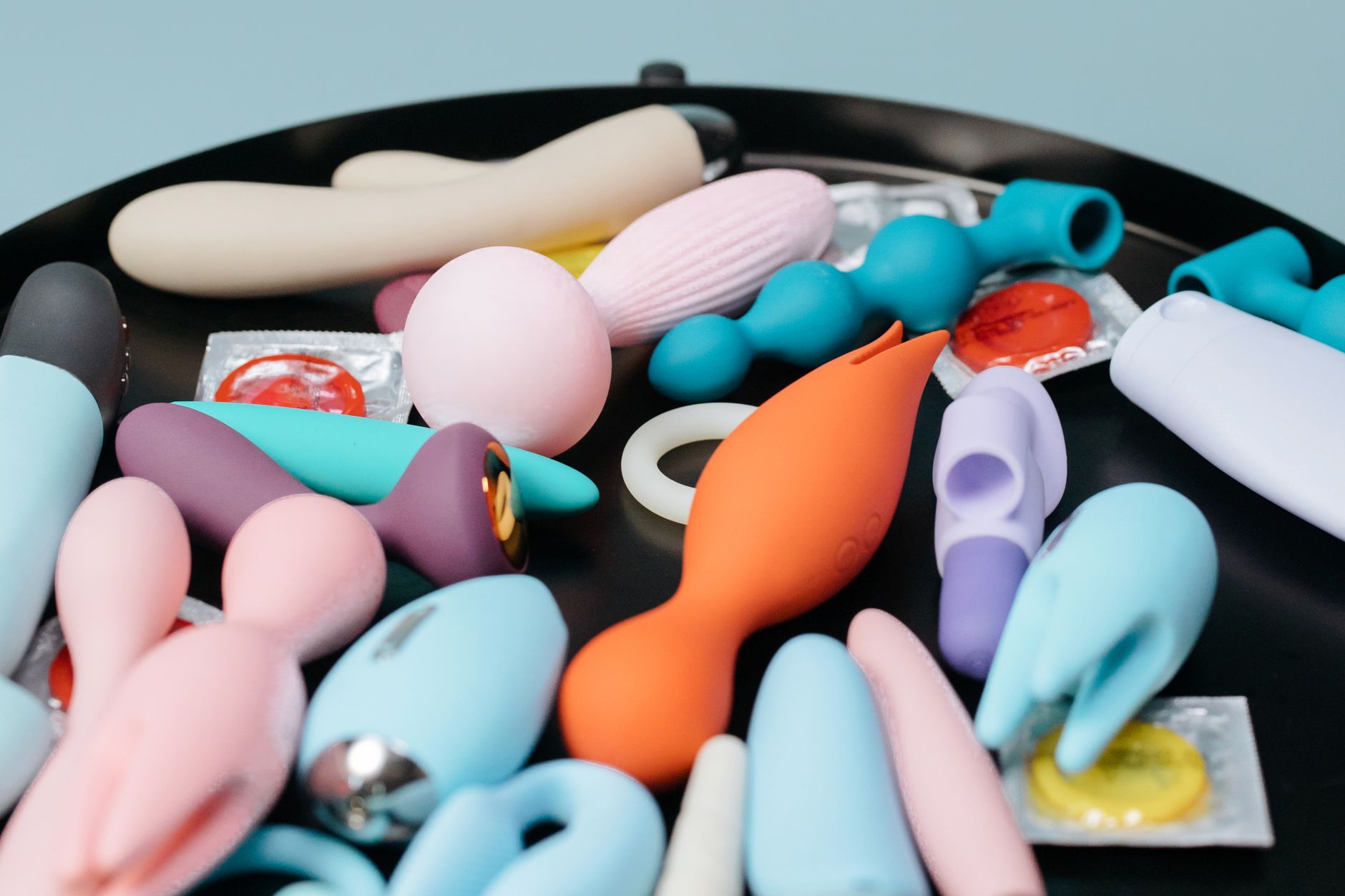
Here's what I've seen work in practice: the right tool, the right approach, and permission to explore your pleasure on your own terms changes things. Lemon clitoral vibrators, specifically air-pulse suction toys like the Lemon, work differently than traditional vibration for people with pelvic pain. That difference matters.
Why air-pulse lemon vibrators work better for pelvic pain
Most vibrators buzz. That's direct mechanical vibration. It travels through the toy, into the tissue, and can feel amplified if you already have inflammatory pain, nerve sensitivity, or muscle tension.
Air-pulse lemon clitoral vibrators work through gentle suction and pulsing air rather than raw vibration. Think of it like the difference between a hand gently pressing and releasing versus someone drumming their fingers on your arm. Both stimulate the same nerves, but one is rhythmic and contained. The other rattles.
For people with pelvic pain conditions, that distinction is everything. Suction focuses stimulation exactly where you want it without the percussive sensation that can trigger pain responses. It's also easier to control intensity gradually. Traditional vibrators often jump from "off" to "strong" with maybe one or two speeds. Lemon vibrators typically offer 5-7 patterns, which means you can start incredibly gentle and build from there.
Starting out: the low-pain protocol
If you've never used a clitoral vibrator with a pain condition, here's how I recommend approaching it.
First session is observation, not pleasure. Use it on the lowest setting for 30 seconds, then stop. You're gathering information about how your body responds, not trying to orgasm. If there's any sharp pain, increased cramping, or nerve tingling that doesn't feel good, you've learned something valuable. If it feels neutral or mildly pleasant, keep the setting and try 60 seconds next time.
Build in 2-3 day gaps between sessions. Your nervous system needs recovery time. Pelvic pain conditions make the pelvic floor hypersensitive. Overworking it can trigger flare-ups that last days. Slow accumulation beats daily experimentation.
Never push through pain. There's good sensation and bad sensation. Pleasure involves a bit of intensity that feels like building energy. Pelvic pain feels like sharpness, burning, or a deep ache that gets worse with stimulation. If you hit that, stop immediately and apply ice or heat depending on what your body usually needs.
Angle matters more than you think. Some people with endometriosis find that stimulating the upper clitoral area (toward the pubic bone) feels better than direct head contact. Others need to come at it from the side. With a Lemon vibrator, you can angle the air pulse easily. With a traditional vibrator, you're stuck with what the toy gives you. This flexibility is huge.
Managing specific conditions
Endometriosis. The inflammation and scar tissue of endo can make pelvic touch feel raw. What often helps: starting 5-7 days after your period (when pelvic inflammation is lower), using the lowest suction setting, and building up over 15-20 minutes rather than jumping in hard. Some people find that orgasm actually eases cramping temporarily. Others find it triggers pain. You'll learn your pattern within 3-4 sessions. If orgasm hurts with endo, you're not broken. It's just that your inflammation is too active that day, and that's information to work with, not a failure.
Interstitial cystitis or bladder pain. The bladder sits right next to the clitoris, and stimulation can irritate it if you're in a flare. If you have IC, avoid using lemon clitoral vibrators during active pain flares. Outside of flares, the lower-intensity stimulation of air-pulse toys is often gentler on the bladder than traditional vibration. Stop immediately if you feel pressure or increased urgency.
Pelvic floor dysfunction or hypertonia. If your pelvic floor muscles stay chronically tight, vibration can feel like adding more tension on top of tension. Air-pulse suction feels less jarring. Pair it with breathing: inhale as you apply the toy, exhale and consciously relax the pelvic floor. This teaches your nervous system that stimulation doesn't require clenching. Some people find that using a lemon vibrator actually helps them learn to relax the pelvic floor because the sensation is gradual enough to practice that release.
Vulvodynia or neuropathic pain. If your vulva hurts without any obvious inflammation, traditional vibration often makes it worse. The constant sensation can overload already-sensitive nerves. Air-pulse toys, because they work with rhythmic suction rather than buzz, feel more like a wave than constant static. That rhythm is easier for the nervous system to process without amplifying pain.
The mental piece that nobody talks about
Pelvic pain messes with your head as much as your body. After months or years of pain during sex or touch, your brain learns to expect it. That expectation becomes a self-fulfilling prophecy. You tense up. The tension amplifies pain. The pain confirms your belief that sex will hurt.
That's not your fault. Your nervous system is doing exactly what it's supposed to do. But it's also highly trainable.
When you use a lemon vibrator in a low-pain context, you're giving your nervous system new information. Touch can feel good here. Stimulation doesn't have to hurt. This clitoral area is safe. These new pathways don't override pain from other causes, but they do create options. After 10-15 successful, low-pain sessions, people often notice that anticipatory tension loosens. That alone changes the experience.
If you're using a lemon vibrator with a partner, this mental reset matters. Let them know you're relearning your body. You're not punishing them with "slow" or "low intensity." You're building something sustainable. Many relationships actually deepen when partners understand this.
When to loop in a provider
Some pelvic pain conditions benefit from professional support alongside solo pleasure. If you have endometriosis, a pain-informed pelvic physical therapist can help you release chronic muscle tension that amplifies sensation. If you have vulvodynia, a vulvovaginal pain specialist (yes, they exist) can rule out treatable causes like nerve compression or hormonal factors.
A good pelvic floor PT will actually encourage you to use tools like lemon clitoral vibrators as part of therapy because they help retrain the nervous system. It's not separate from clinical care. It's part of it.
If your pain gets worse after starting to use a vibrator, don't just stop and assume vibrators aren't for you. Check in with your provider. Sometimes pain flares are just coincidence. Sometimes there's something else happening that needs attention.
The permission piece
Here's what I tell people in my practice: your pelvic pain is real. Your right to pleasure is equally real. These two things don't cancel each other out. You don't have to wait until your condition is "cured" to explore your body. Most pelvic pain conditions are chronic. Waiting means potentially giving up years of potential pleasure.
A lemon vibrator is just a tool. But it's a tool that lets you control exactly how much sensation you get, exactly where, exactly when. That agency matters when your body has taken a lot away from you.
FAQ: Lemon vibrators and pelvic pain
Can I use a lemon clitoral vibrator during a pain flare?
Not ideally. Flares mean your nervous system is already activated and inflamed. Adding stimulation can push you into worse pain. Wait for 2-3 days of lower baseline pain before trying. You'll know flares are easing when gentle touch stops triggering sharp sensations.
Will using a lemon vibrator make my endometriosis worse?
Not if you approach it correctly. The suction stimulation itself doesn't create inflammation. But overuse during a high-inflammation window can amplify pain temporarily. The key is starting low, going slow, and paying attention to your inflammatory cycle. For many people, orgasm actually reduces cramping temporarily because it releases pelvic tension.
What if I can only tolerate the very lowest setting?
That's perfect. You don't need high intensity for pleasure. Many of the people I work with actually prefer lower settings. They report more nuanced sensation and better control. The lemon vibrator's 5-7 patterns give you plenty of room to explore at whatever intensity your body can handle.
Is it normal to feel nothing at first?
Completely normal, especially if you're anxious about pain. Your nervous system is in protective mode. It can take 5-10 sessions before sensation really registers. This isn't failure. It's habituation. Keep sessions short, keep expectations loose, and let your body acclimate.
Can I use lube with a lemon clitoral vibrator?
Yes, and it often helps. Water-based lube reduces friction and can make the sensation feel less intense, which is useful if you have pain sensitivity. Silicone lube works too, but check your toy's material first. Some silicone toys interact poorly with silicone lube.
What if I have multiple pain conditions?
Start with the most limiting one. If you have both IC and endo, the IC might flare more easily. Use that as your guide for when to try. Once you have one success story, adding the second condition becomes less scary because you know your body can do this.
You deserve this
Pelvic pain is exhausting. It steals energy, creates shame, and makes you feel broken. You're not. Your body is responding exactly the way it should to real tissue changes and real nerve sensitivity. The fact that you're thinking about how to explore pleasure anyway says something important about you.
A lemon clitoral vibrator is just one tool. But it's a tool that works with your nervous system instead of against it. That matters. Start low, go slow, and give yourself permission to take months learning your body. There's no deadline. Your pleasure isn't going anywhere.