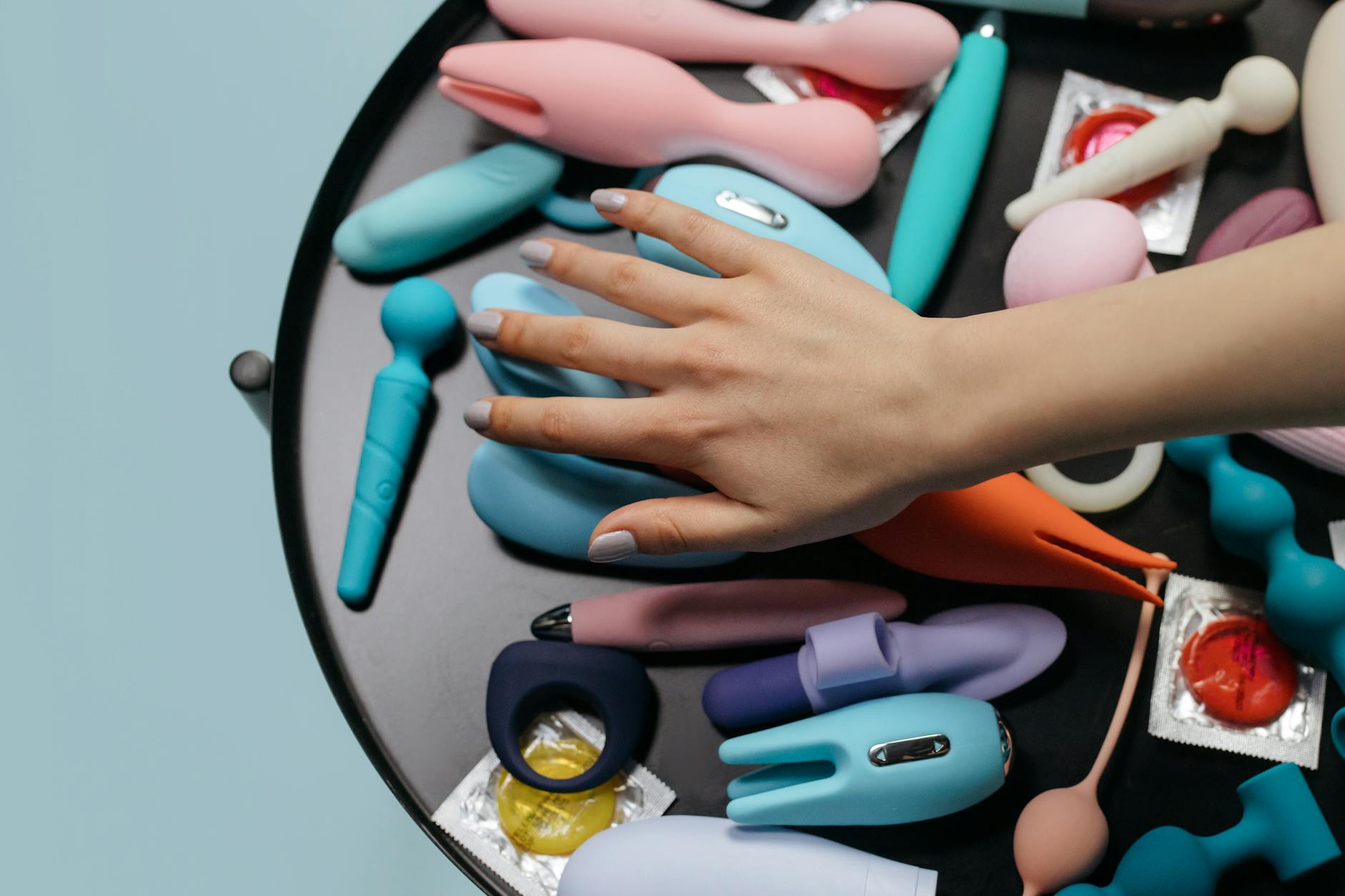
Long distance sucks, but your pleasure doesn't have to
You're in a new relationship and someone's moving. Or you're both staying but one of you travels. Either way, you've just entered that weird liminal space where you're deeply connected but physically separated. It's disorienting. But here's what I've seen work: couples who get intentional about pleasure across distance often report deeper intimacy, not less.
This isn't about replacing in-person sex. It's about building a sensual practice that keeps you both present, vulnerable, and connected when you can't be in the same room.
Why lemon vibrators specifically work for long-distance couples
Let's start with the obvious: a lemon clitoral vibrator is focused, intimate, and designed for intense sensation. That matters for long distance because the psychological component of pleasure amplifies when you feel truly seen by your partner.
Here's what makes lemon sexual toys different. The suction-based design of clitoral vibrators like the Lem creates a sensation that's distinct and memorable. When you're using it while on a call with your partner, that specific sensation becomes a sensory anchor between you. Your partner learns what your breathing sounds like when you're using it, what your body does, what builds you up. That's intimacy.
The other advantage: these toys are quiet enough for video calls. That matters more than you'd think. You can be together on screen, hear each other, see each other react, without the mechanical roar of a traditional vibrator creating distance.
Building a practice that works for both of you
First, the obvious conversation: both of you need to want this. One partner being on board while the other tolerates it creates shame and awkwardness, which kills everything.
If your partner seems hesitant, separate two things. "I want to explore my own pleasure" is different from "I want you to be part of it." Some people are uncomfortable with the second before they're ready, and that's fine. You can build your solo practice first and invite them in slowly.
Once you're both in, start small. Not every call needs to be sensual. Set a rhythm that works: maybe once a week, maybe once every two weeks. The anticipation is actually part of the connection.
What happens on the call (practical setup)
Video or audio? Both work. Video adds visual connection but requires more privacy and setup. Audio is easier logistically but removes the "seeing each other" element. If you choose video, make sure you're both in spaces where you feel safe and won't be interrupted. That security is non-negotiable.
Start clothed. Talk. Ask each other what you want, what you're thinking about, what would feel good. This is the difference between watching porn together and actually connecting. Your voice, your curiosity about their body and mind, your presence. That's what makes it intimate rather than transactional.
When you're ready, move into touch. Your partner might guide you verbally. They might tell you when to speed up, slow down, what to focus on. Or they might just listen to you, be present, tell you they like hearing you. Let it be what it wants to be.
With a lemon vibrator or other clitoral toy, start at lower settings. You're not racing to an orgasm. You're building sensation, staying present, letting your partner in on what your body is experiencing.
The emotional layer that most people skip
Long distance tests relationships in specific ways. You lose the casual touch, the incidental physical affection. Sex becomes either an event (when you're together) or nothing. A sensual practice across distance rewires that. It says: my pleasure matters, your presence in my pleasure matters, we stay connected even when we're not in the same city.
I've worked with couples who felt their relationship deteriorating over months of distance, then introduced this kind of practice and watched everything shift. Not because orgasms fix relationships. But because choosing to be vulnerable together, to prioritize pleasure and presence, communicates something that words alone can't.
It also takes pressure off the in-person visits. You're not banking all your physical intimacy into one weekend together. You're spreading it out, keeping the sensual channel open, so when you do see each other, you're not desperate or resentful.
Practical tips for staying present
Put your phone on Do Not Disturb. Seriously. The ping of a Slack message while you're building intimacy is a mood killer that doesn't need to exist.
Talk about what you like beforehand. Not clinical, but real. "When I use lower settings, it feels more sustainable" or "I like when you talk while I'm doing this" or "Tell me about your day while I touch myself." Some couples want explicit conversation. Others want softer guidance. Neither is wrong.
After, check in. How did that feel? What worked? What didn't? This takes the performance pressure off and makes it a conversation between equals rather than a show one person is putting on for another.
If a lemon clitoral vibrator or Hello Nancy toy isn't your thing, find something that is. The specific device matters less than the intention behind using it together.
What to do if it feels weird at first
It will. Most couples feel awkward during their first sensual call. You're doing something vulnerable, your brain is loud, you feel self-conscious. That's normal. It usually takes three or four times before the self-consciousness drops and actual pleasure emerges.
If the awkwardness persists, slow down. You don't need to push into full sensual calls. You might start by just talking about desire while you're apart. Texting about what you're thinking about. Building the verbal intimacy before adding the physical layer.
Some people will never be comfortable with this. And that's okay. But I'd gently push back on assuming that without trying. Most people are more capable of this kind of connection than they think.
When you're finally in the same place again
You've built something sensual and tender across distance. When you're together, let that inform your in-person intimacy. You know what your partner likes. You've talked about pleasure explicitly. You've normalized it. That's a gift most long-distance couples never give themselves.
You might even bring the lemon vibrator into your in-person sex. It's not a replacement for other kinds of touch. But it's another language of pleasure between you, and you've already practiced it together.
Long distance is hard. It requires intention and vulnerability. But couples who treat it as an opportunity to deepen connection rather than just a waiting period often come out the other side with something really solid. Sensual practice across distance is one way to build that. Your pleasure matters. Your connection matters. Both are worth the awkwardness of figuring this out together.
People also ask
Can you use a lemon vibrator on video calls with a partner?
Yes, absolutely. In fact, the quiet, focused design of air-pulse lemon clitoral vibrators makes them perfect for calls because there's no loud mechanical noise creating distance between you. Make sure you're both in private spaces where you feel secure. The vulnerability is easier when there's no risk of interruption.
What if my long-distance partner isn't interested in using toys together?
Separate two conversations. You using a lemon sexual toy for your own pleasure is different from you both participating together. Some partners warm up to the second after they see how much the first matters to you. Others may never want to participate, and that's information about compatibility you need to know. You could explore sensual conversation without toys, or keep solo pleasure solo. The key is honesty about what you want and what they're comfortable with.
How often should long-distance couples do this?
There's no rule. Some couples do a sensual call weekly. Others do it monthly. Some try it a few times and decide it's not their thing. What matters is that both people want it and you're building something that feels natural, not performative. Pressure kills pleasure. Start small and let it develop at its own pace.
Is it weird if I want to use a clitoral vibrator during calls but not talk explicitly about sex?
Not weird at all. Some couples want to keep the energy softer, romantic, less overtly sexual. You might just be present on the call, touching yourself, with your partner listening and being present. You don't need to narrate or get graphic. Softness and presence are their own thing.
What if the timing never works because of different schedules?
Then you're probably not going to do sensual calls, and that's okay. Some long-distance couples focus on building desire during visits and staying emotionally connected across the distance through talking and texting. You don't need a specific practice to stay intimate. Intention and attention work just as well.
How do you rebuild physical connection when you finally move closer or get together permanently?
Slowly. You've already built something together across distance. Don't abandon it. You might use the same lemon vibrator you used on calls in person. You might lean into the explicit conversations you've already practiced. In-person intimacy doesn't erase what you built apart. It just adds layers. Most couples find the transition smoother because they've already normalized conversation about pleasure.
The bottom line
Long distance tests relationships. But it also offers something couples living together often miss: intentionality. When you have to choose to connect, and you do it around something as intimate as pleasure, you're building something real. A lemon clitoral vibrator isn't going to fix a broken relationship. But for couples who are already committed and looking for ways to stay connected across miles, it's a tangible, sensual practice that actually works.
If you're navigating a new long-distance relationship and curious about exploring this, start with that first conversation. See if your partner is interested. If they are, take your time. The awkwardness is temporary. The connection you're building is worth it.
Questions about what might work for your specific situation? Reach out. That's what we're here for.