Low libido doesn't mean your body forgot how to feel good. It means your brain got tired, or your stress won out, or hormones shifted, or your relationship needs something different than it's getting right now. The desire came down. That's real. But orgasms? Your capacity for them is still there, even when wanting them feels impossible.
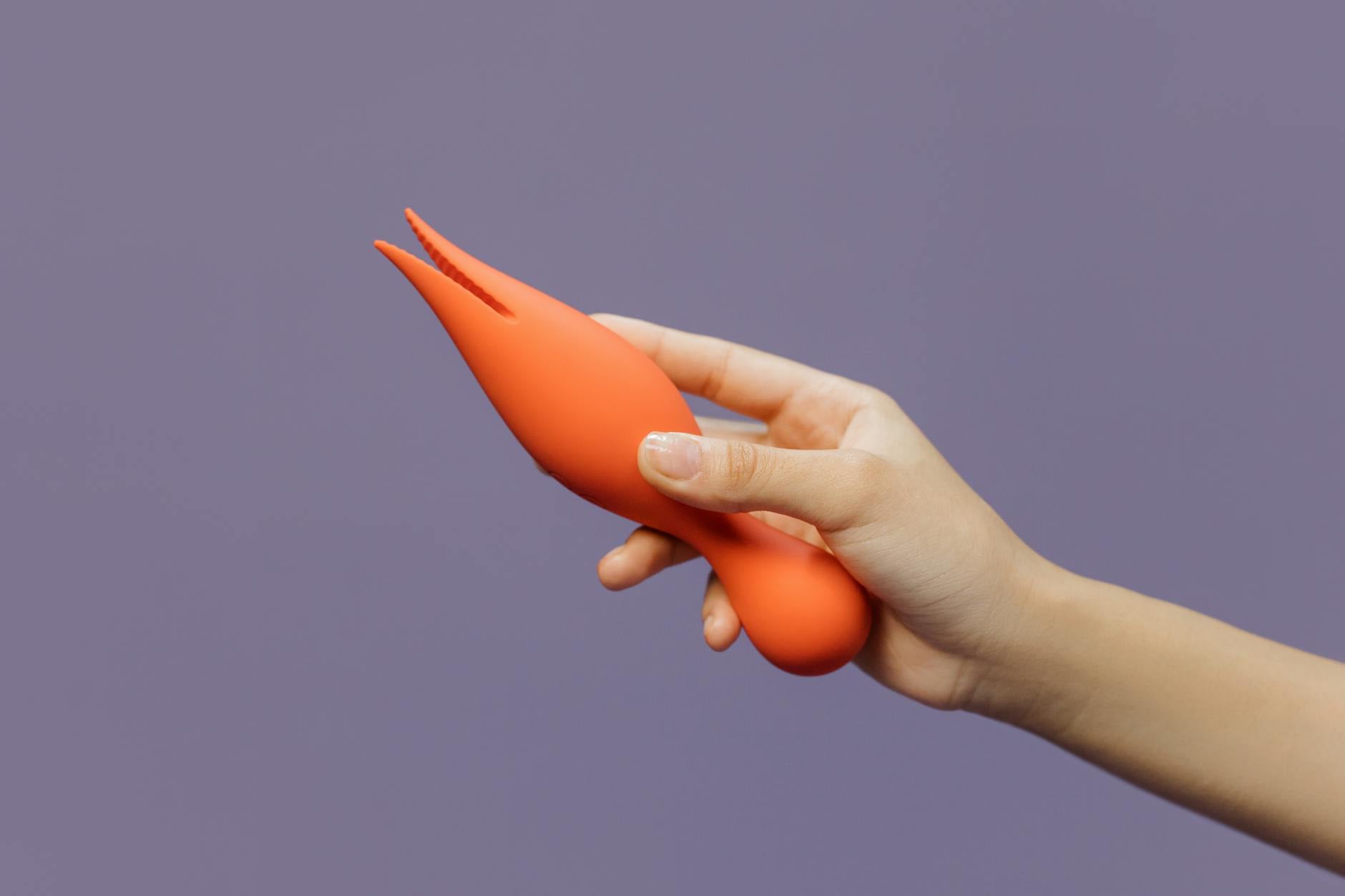
That's where lemon vibrators come in. When your sex drive has gone quiet, the last thing you need is pressure to want sex more. What you need is a way to access pleasure without the mental overhead that desire requires. Lemon clitoral vibrators do exactly that.
Low libido is usually rooted in one of five places: stress (work, money, family), relationship friction that hasn't been resolved, hormonal shifts (thyroid, depression, medication side effects), plain exhaustion, or loss of novelty with a partner. The common thread is this: your brain is using its bandwidth elsewhere, and there's nothing left for arousal.
But here's what's crucial to understand. Your clitoris doesn't care about your libido. It doesn't have opinions about whether you want sex. It simply responds to stimulation when the right kind reaches it. That's the gap where lemon vibrators live.
When you use a lemon vibrator, you're bypassing the whole desire conversation. You're saying to your body: forget what your brain thinks you should want. Let's find out what actually feels good right now.
The biggest mistake people with low libido make is treating vibrators like the last-ditch effort to fix something broken. That mindset adds shame, which adds pressure, which deepens the low libido spiral.
Instead, approach a lemon vibrator the way you'd approach a good book when you haven't read in years. Not as homework. Not as proof you still work. Just as something to try when you have fifteen minutes and the house is quiet.
Set a low bar. Really low. The goal isn't an orgasm. The goal is five minutes of noticing what your body can feel. That's it. If you get an orgasm, great. If you don't, you've still gathered information about what doesn't feel bad, which is valuable when libido is low.
Most people think they need the strongest vibrator, the fastest patterns, the most intensity. The opposite is usually true when libido is low. Your nervous system is already taxed. Overstimulation will shut you down faster.
Lemon clitoral vibrators are designed with this in mind. The air-pulse mechanism is gentler than traditional vibration because it works through suction rather than shaking. This matters enormously for low libido, because you can access pleasure without the sensory overwhelm.
Start at the lowest setting. Let your body adjust for several minutes. You're not racing to orgasm. You're building a relationship with sensation again. Many people find that the lowest patterns feel better anyway, and the fact that you can feel something building without it being aggressive is exactly what restarts the pleasure-seeking reflex.
When libido is low, context is everything. You can't manufacture desire, but you can remove the friction that's keeping it away.
Pick a time when you're not expecting to have energy for anything else afterward. Many people with low libido find that morning works better than night because they haven't accumulated the day's mental load. Others prefer a weekend afternoon when they know nobody will interrupt them for thirty minutes.
Your environment should feel like a reset, not an addition to your to-do list. A closed door is enough. Candles or soft light is nice but not required. Your phone in another room matters more than you'd think.
The point: you're creating a small pocket of time where your pleasure is the only thing that matters. That's the opposite of the context that kills libido in the first place.
Here's what happens when you consistently use a lemon sexual toy even when you're not in the mood. Your body starts to remember that pleasure is possible. That sensation exists. That you can feel good.
That's not magic. That's how the nervous system works. When you repeat an experience, your body starts to anticipate it. After a few sessions with a lemon clitoral vibrator, many people find that desire starts to creep back in. Not because the vibrator fixed them. Because the vibrator proved to their body that pleasure was still accessible, and their brain started rebuilding the anticipation around it.
Some people also find that orgasms with a lemon vibrator, even when libido is low, feel different from partnered sex. There's no performance component. No worrying about timing or your partner's experience. Just your body and what feels good. That simplicity is often what resets the pleasure-seeking drive.
If you're in a partnership and libido has dropped, using a lemon vibrator solo is not a substitute for talking to your partner about what's changed. But it is a bridge.
Many couples find that when one person is experiencing low libido, using a vibrator together (or even just knowing about it) shifts the dynamic. It removes the pressure for your partner to be the only source of sexual pleasure, and it removes the expectation that you perform desire you're not feeling.
Some couples also find that watching a partner use a lemon vibrator is arousing in ways that partnered sex isn't when libido is struggling. There's novelty. There's no performance anxiety. There's just presence.
If you're going to involve a partner, a conversation beforehand matters more than the vibrator itself. "I've been dealing with low libido and I want to explore pleasure on my own terms" is different from "my vibrator is better than you," and your partner deserves to know which one is true.
When libido is low, orgasms can be harder to reach. That's normal. Your body isn't broken. It's just working with a smaller amount of neurological juice directed at pleasure.
Here's what often surprises people: once you've had one orgasm with a lemon vibrator when libido is low, the next ones sometimes come easier. Your body starts to remember the pattern. The nervous system finds the pathway again.
If you're not reaching orgasm after several sessions, that's not failure. You're still getting benefit from accessing pleasure, from proving to your body that sensation is possible, from building a relationship with your own pleasure independent of desire or a partner.
Many people find that orgasms return gradually as libido rebuilds. It's not an on-off switch. But the consistent use of a lemon vibrator often accelerates the timeline.
Don't turn this into pressure. "I should be using my vibrator more" is the opposite of helpful when libido is the problem. Use it when you want to. Some weeks that might be three times. Some weeks it might be zero. Your body will tell you what it needs.
Don't expect it to fix a relationship problem it wasn't designed to fix. If the low libido is rooted in disconnection from a partner, a lemon vibrator can help you rebuild pleasure, but it won't rebuild the relationship. That's a separate conversation and sometimes a conversation with a therapist.
Don't compare your experience to anyone else's. Low libido responds differently depending on what caused it. Stress-related low libido can shift in weeks. Hormonal low libido can take longer. Relationship-based low libido requires both individual work and partnership work. Your timeline is your timeline.
If low libido has lasted longer than a few months, if it coincided with starting a new medication, if it came alongside depression or anxiety, or if your desire has completely disappeared and isn't budging with a vibrator and stress reduction, talk to a doctor or therapist.
Low libido can be a symptom of something that needs attention. Thyroid issues, hormone imbalances, depression, relationship rupture, unresolved trauma. A lemon vibrator is useful for rebuilding pleasure, but it's not a diagnosis tool.
The combination of a lemon clitoral vibrator for pleasure exploration and professional support for the root cause is often what actually restarts desire.
A vibrator can do both, but not directly. It won't chemically raise your libido. What it does is rebuild your body's connection to pleasure, which often makes you interested in seeking pleasure again. The desire follows the capacity to feel good. Once your body remembers that sex feels good, your brain usually starts wanting it again.
There's no magic frequency. Some people find that twice a week works best. Others prefer once a week. The key is consistency without pressure. If you're forcing yourself to use it on a schedule, you're adding more of what killed libido in the first place. Use it when it feels like a good idea, and let your body tell you when that is.
Not unless you were already losing interest. Using a lemon vibrator solo actually makes many people more interested in partnered sex because they've reconnected with what pleasure feels like. The orgasms might feel different with a partner than with a vibrator, and that's normal. Both can coexist.
Usually both. Stress affects hormones. Hormones affect mood. Medications affect both. Relationship friction affects everything. Low libido is rarely purely mental or purely physical. That's why the fix often requires addressing multiple angles at once: stress reduction, possibly medical evaluation, possibly relationship work, and pleasure exploration with tools like a lemon vibrator.
Sometimes. If low libido was caused by temporary stress or a medication side effect, it can return once the stressor lifts or the medication changes. But rebuilding the pleasure pathway is usually faster and easier with intentional exploration. A lemon vibrator speeds up what might otherwise take months.
A lemon vibrator is actually a useful starting point because it separates the pleasure-discovery piece from the desire piece. You can explore what feels good and what doesn't without the added pressure of trying to reach an orgasm or trying to want sex. Many people who've never orgasmed find that the air-pulse mechanism of a lemon clitoral vibrator makes the difference.
Low libido is temporary. It might feel permanent right now, but it's almost always a response to something else that's happening in your life or your body. Your capacity for pleasure didn't disappear. It just got buried under stress, or hormones, or resentment, or exhaustion.
A lemon vibrator won't fix whatever caused the low libido to arrive. But it can remind your body what pleasure feels like while you figure out the rest. Start small. No pressure. No timeline. Just your body and what it can feel when you give it permission to explore.
Your desire will likely come back. But your pleasure doesn't have to wait for it. That's where the real shift happens.