The thing no one tells you about long-term sex
It doesn't get boring because you're bored. It gets routine because you've stopped communicating about it. That's the distinction that changes everything.
After years together, most couples fall into a rhythm that works. It's predictable. Safe. And somewhere around year three or year seven or year fifteen, one of you notices that nobody's really coming anymore. Or you are, but it takes forty minutes. Or the whole thing feels more like a checkbox than a conversation.
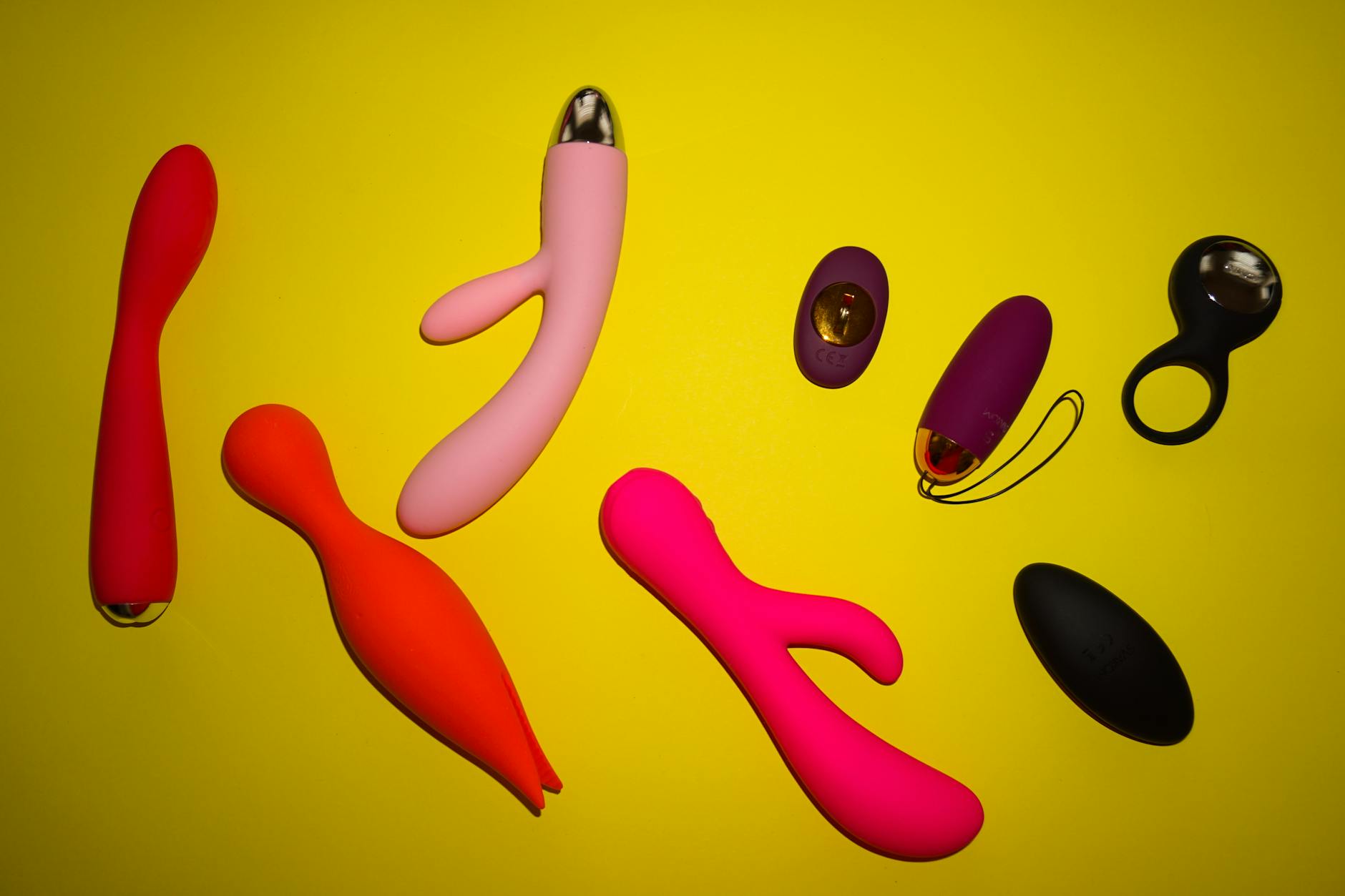
This is where lemon vibrators enter the picture, not as a problem solver but as a translator. They give you permission to ask for what you actually want.
Why long-term couples stop prioritizing pleasure
Here's what I see in my practice: desire doesn't die in relationships. Communication dies. And when communication dies, pleasure becomes optional.
Early on, everything's new. You're nervous, you're paying attention, you're asking "does this feel good?" After ten years, you assume you already know. You've mapped each other's bodies. You know what usually works. So you stop experimenting, stop asking, stop paying attention to the small shifts in what actually feels good right now.
Add kids, stress, work, grief, aging bodies. Your orgasm threshold changes. Their desire rhythm shifts. And suddenly you're having sex that technically works but doesn't feel like connection anymore.
Many couples I work with aren't broken. They're just not talking.
The lemon vibrator conversation starter
Introducing a toy into a long-term relationship is not about "spicing things up." That phrase makes most people tense. It sounds performative. Exhausting.
Instead, think of lemon vibrators as a tool for honesty. When you bring one into the bedroom, you're saying something important: "I want to feel good, and I want you to feel good. I'm willing to be vulnerable about what that takes."
That's not a threat to what you already have. It's an upgrade.
Start the conversation outside the bedroom. "I've been thinking about trying something. Would you be open to exploring that together?" That's it. You're not selling. You're not demanding. You're asking if they're willing to find out what you both enjoy.
If the answer is no, that's a different conversation entirely. But most people say yes when you ask for their partnership in your own pleasure.
How couples use lemon vibrators together
There are roughly three approaches, and none of them are wrong.
First: You use it on yourself, they watch. This sounds simple, but it's profound. Your partner gets to see what turns you on. The vibration patterns you choose. The speed. The rhythm. It's exhibition for people who've been together so long they've forgotten what it looks like to arouse their partner. Lemon clitoral vibrators are especially good here because the sensation is intense without requiring your partner to do anything they might not be sure about.
Second: They use it on you. This is collaboration. They're controlling the intensity and pattern, watching your response in real time, adjusting. This is how couples rediscover each other's nervous system. You might moan at pattern three on the Lem, but they assumed you liked pattern five because that's what you used to say five years ago. Your body has changed. This approach puts feedback back in the loop.
Third: You both use toys. Simultaneous pleasure. They're using something on themselves or inside themselves while the lemon vibrator does its work on you. This is less about performance and more about existing in your own pleasure together. There's something deeply intimate about two people making each other come at the same time. You're not focused on them. They're not focused on you. You're both focused on what feels good in your own body, and that honesty is what creates connection.
The physical reality of pleasure in long-term bodies
Bodies change. Not in a sad way. In an honest way.
Your arousal arc might be slower now. Theirs might be faster. Or reversed. Your partner might need more clitoral stimulation than they did five years ago. You might find that direct vibration that used to feel amazing now feels like too much.
Lemon vibrators are useful here because they're precise. You can start at the lowest intensity. You can choose patterns that feel more like focused pressure than full-body buzzing. You can spend time figuring out what this version of your body likes right now, instead of assuming you already know.
Many couples use lemon vibrators for about fifteen to thirty minutes before anything else happens. That's the warm-up. Not foreplay. Warm-up. Your nervous system needs time to come online. Orgasm takes longer to build. And that's completely normal.
The orgasm conversation
Here's something that shifts in long-term relationships: the pressure to come at the same time evaporates, and suddenly you can have better orgasms.
When you're both young and horny and worried you're doing it wrong, simultaneous orgasm feels like the goal. It's not. It's one type of orgasm that maybe comes naturally sometimes.
After years together, you might realize you come harder alone or with a toy. Your partner might find that when they're not worried about your orgasm, they actually feel theirs more intensely. You might notice that your orgasm is better when you're not watching the clock.
Lemon vibrators make this easier because they're efficient. You can use one to come first, then focus entirely on your partner. Or they come, you come, nobody's keeping score. You're both getting what you need from the same experience.
Building back trust in pleasure
Some couples I work with haven't orgasmed together in years. Literally years. Not because they don't love each other. Because they stopped asking what was needed.
When you reintroduce touch that's purely about sensation, something shifts. Your body starts to trust that this isn't about performance. Nobody's trying to come on a timeline. There's no finish line. Just sensation.
Use lemon clitoral vibrators slowly. Spend time. Let your nervous system learn that it's safe to feel good in front of your partner again. That vulnerability is the whole point.
When to escalate, when to pause
If you're using a lemon vibrator with a partner and something doesn't feel good, you stop. Not because something's wrong with you. Because communication is more important than completion.
"That's too intense" is valuable data. "I like that but not with that rhythm" is a conversation. You're learning each other's bodies in real time. That takes permission to pause, adjust, explore.
Most couples find that after a few sessions of exploration, they stop worrying about whether they're doing it right. They start asking what actually feels good. That question is everything.
The deeper shift
Long-term relationships don't fail because sex gets boring. They fail because couples stop being curious about each other. Using lemon vibrators together is one way to get curious again.
It's not about the toy. It's about saying "I want you. I want to know what feels good for you. I want us to feel good together. Will you help me figure that out?"
That conversation, repeated over years, is what builds a relationship worth staying in.
People also ask
Will using a vibrator with my partner make them feel inadequate?
Only if you frame it that way. The most helpful approach is to position it as exploration, not replacement. A lemon vibrator isn't doing what your partner does. It's doing something different. Your partner brings attention, touch, presence. The vibrator brings intense, consistent sensation. They're not in competition. They're working together. Many partners actually find it freeing to use a toy together because it removes the pressure to be everything at once.
How do I introduce the idea without offending my partner?
Start outside the bedroom. Vulnerability before vulnerability. "I've been thinking about ways we could feel better together, and I found something I want to try. Would you be open to exploring it?" That's it. You're not criticizing their skills. You're expressing curiosity. Most partners respond well to being included in that exploration rather than being surprised by it.
What if my partner is really resistant?
Then you have a communication problem that goes deeper than toys. Why are they resistant? Is it shame around sexuality? Insecurity? Fear of change? Those conversations need to happen regardless. A therapist specializing in couples work can help you both understand what the resistance is really about. Sometimes it's not about the toy at all.
Can we use a lemon vibrator if we're older and haven't had sex in a while?
Absolutely. Longer warm-up time, lots of lube if needed, and patience with your bodies. Lemon vibrators can actually make reconnection easier because they provide intense sensation without requiring as much physical effort from either partner. Start with low intensity, explore at your own pace, and remember that this is about rediscovering pleasure together, not proving anything.
How often should we use a vibrator together?
There's no rule. Some couples use one every time. Some use it occasionally as a way to switch things up. The point is that you're deciding together based on what actually feels good. The goal is connection, not a specific frequency. Listen to your bodies and your desires.
What if one of us orgasms and the other doesn't?
Then you're exactly like most couples. Orgasm parity is rare and honestly not the goal. The goal is pleasure. If your partner comes first, you can keep going with the lemon vibrator while they touch you or watch. If you come first, they can continue. Or you both stop and enjoy the closeness. There's no script here. You're writing it together.
If you're ready to rebuild pleasure in your relationship, lemon vibrators offer a clear starting point. But the real magic isn't in the toy. It's in the conversation that brings it into the room. That conversation is what changes everything.