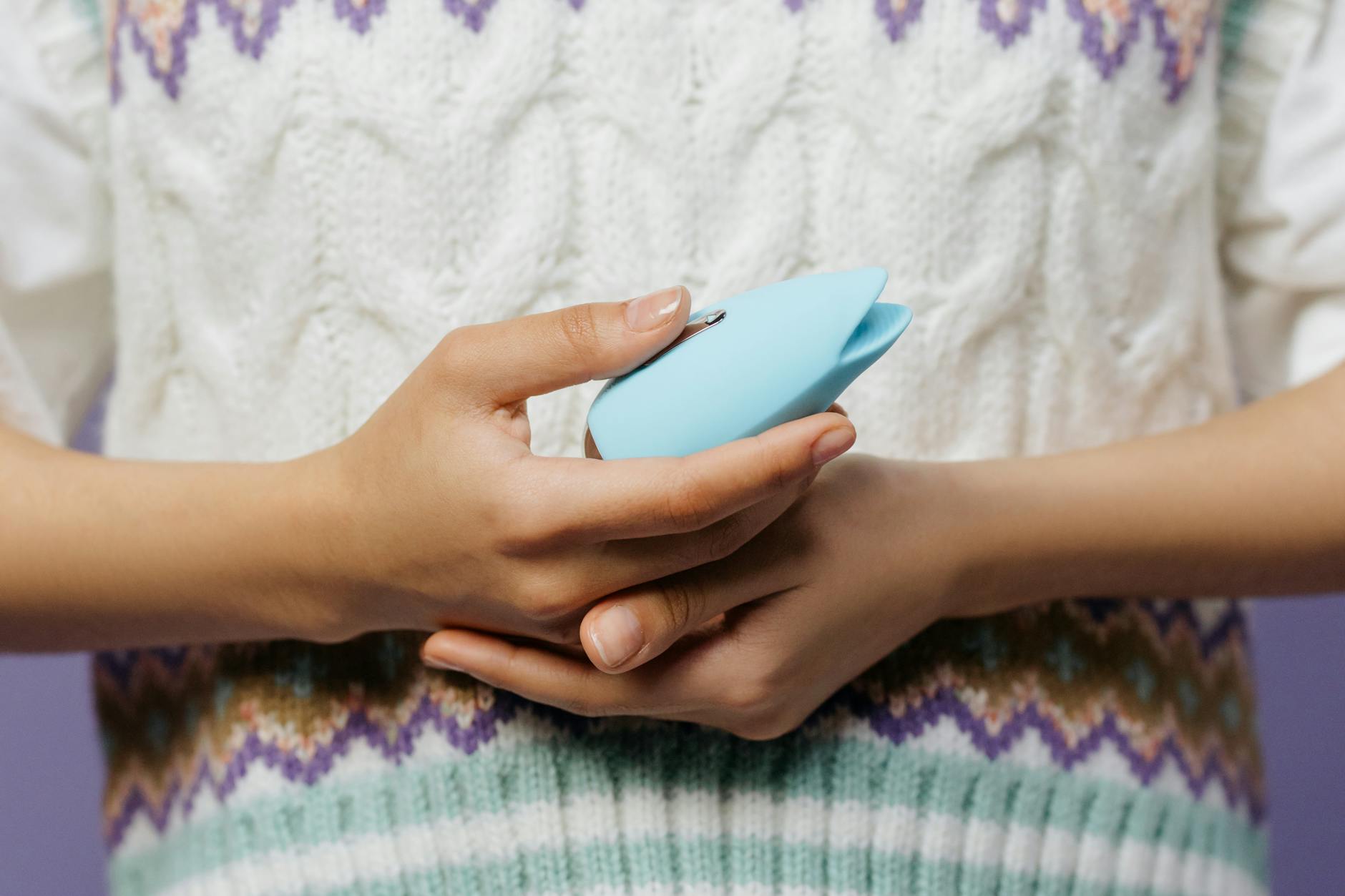
Here's what perimenopause actually does to your orgasms
Perimenopause isn't a single moment. It's a 5-10 year slide where your hormones are fluctuating wildly, not dropping steadily. One month your body responds like it always has. The next month, arousal takes longer. Sensation feels muffled. Your usual rhythm doesn't work anymore.
This is wildly common and wildly frustrating. And it's not a sign that your pleasure is ending. It's a signal that you need different tools.
Lemon clitoral vibrators, particularly suction-based designs like the Lem vibrator, work beautifully during this transition because they bypass some of the sensitivity shifts that hormonal fluctuation causes. They're not a workaround for a broken body. They're an upgrade for a body that's changing.
What happens to arousal during perimenopause
Your estrogen levels are bouncing around like a mood ring. This affects three specific things in your body.
Clitoral tissue thickness changes. Estrogen supports the mucosal lining around your clitoris. When it dips, that tissue gets slightly thinner. This doesn't make orgasm impossible. It does mean that direct friction can feel too intense or, weirdly, less satisfying than it used to.
Vaginal lubrication becomes unpredictable. Some days you're fine. Other days your body produces less lubrication even when you're fully aroused mentally. This can create a gap between what your brain wants and what your body can deliver. That gap is frustrating and totally treatable.
Arousal takes longer to build. Your nervous system needs more runway. What used to take 5 minutes might now take 15. This isn't dysfunction. It's just a different timeline. And it's actually an opportunity to slow down and explore sensation differently.
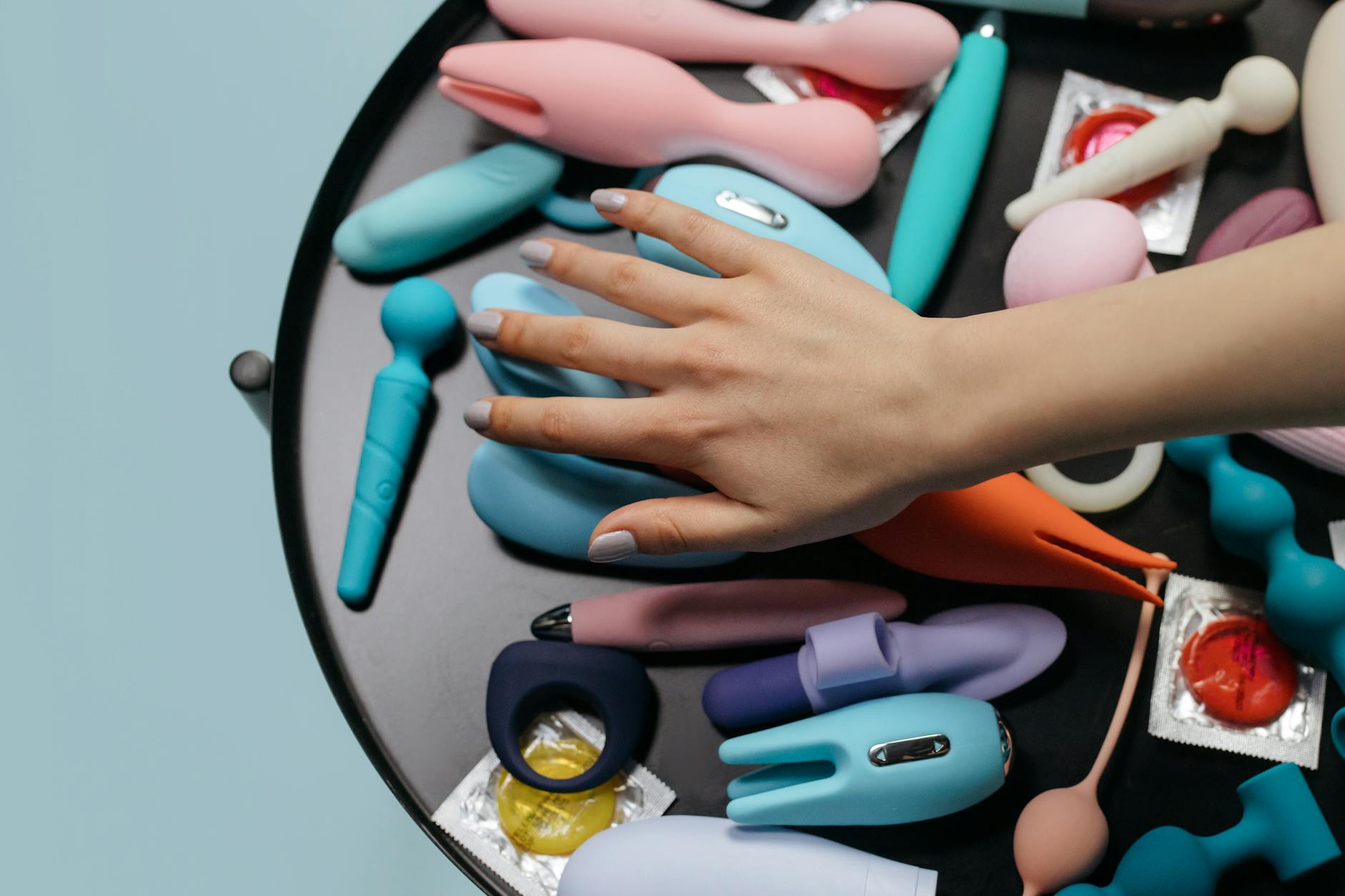
Photo by cottonbro studio on Pexels
Why lemon suction vibrators work during this phase
A suction-based lemon vibrator works differently than a traditional vibrator. Instead of direct vibration, it creates rhythmic suction that stimulates the thousands of nerve endings around your clitoris without the mechanical pressure that can feel harsh on thinning tissue.
Here's the mechanical advantage. During perimenopause, your clitoral nerves are still firing perfectly. The problem isn't nerve damage or loss of capacity. It's that direct stimulation can feel either too intense or underwhelming depending on your hormone levels that day. Suction spreads that stimulation across a broader area and creates a different sensation pattern your nervous system might respond to more readily.
Many people also report that suction vibrators like a lemon clitoral vibrator feel less aggressive on tender or sensitive tissue. You're getting intense stimulation without direct friction. For someone whose body is being moody about arousal, this matters.
How to adapt your technique for perimenopause
You can't use your lemon vibrator the same way you did before perimenopause started. Your body's timing has shifted. Here's how to work with it instead of against it.
Extend your warm-up significantly. Budget 20-30 minutes instead of your old 5-10 minute timeline. This isn't because you're broken. It's because your nervous system needs more input to reach arousal. Use this time for touching, kissing, fantasy, external massage. Let your body build slowly. When you do bring in your lemon suction vibrator, your tissue will be more responsive.
Start on lower suction settings. The Lem vibrator comes with multiple intensity levels. Begin on pattern 1 or 2, even if you used to jump straight to pattern 5. Your sensitivity is shifting. You might find that pattern 2 now feels like what pattern 4 used to feel like. As arousal builds, you can increase intensity. This gives you way more control and prevents that sudden overwhelm.
Use generous lubrication. Even if you feel wet, use water-based lube anyway. Lubrication does two things during perimenopause. It physically helps your lemon clitoral vibrator glide smoothly without friction-based irritation. It also signals to your nervous system that you're preparing for sex, which can actually help arousal cascade along. This is a tiny hack with outsized impact.
Experiment with angle and positioning. Your clitoris might be more responsive to stimulation from slightly different angles during certain parts of your cycle. Try tilting the vibrator, moving it side to side slowly before settling into a rhythm, or using it with less direct contact (hovering slightly above instead of pressing directly). This variability is actually an advantage because it keeps your nervous system engaged and prevents adaptation.
Managing the unpredictability
Some days perimenopause feels like a cruel joke. Your body responds beautifully. Other days, nothing works. This is the reality of fluctuating hormones, and it's infuriating.
Here's what helps. Stop assuming every session needs to result in orgasm. This sounds like advice you've heard before, but it hits differently when you're actually dealing with unpredictable arousal. Sometimes your job is just to feel sensation. To notice what your body can do right now. To use your lemon vibrator as a way to explore rather than achieve.
When you remove the pressure to finish, arousal often shows up. This isn't woo. It's just what happens when your nervous system isn't fighting itself. On days when your body truly isn't cooperating, you've still had 20 minutes of touching yourself, which is inherently good. That's the win.
When hormonal shifts are actually something else
If arousal has become completely absent, not just slower. If orgasm is painful rather than delayed. If something feels genuinely wrong in your body, talk to a doctor familiar with perimenopause. These could be signs of genitourinary syndrome (thinning tissue that needs topical treatment), hormonal imbalance that needs adjustment, or something completely unrelated to perimenopause masquerading as it.
A good gynecologist can run hormone labs and check your tissue health. They can prescribe topical estrogen creams that help with lubrication and tissue thickness without systemic absorption. They can also rule out thyroid issues or other metabolic changes that sometimes coincide with perimenopause and tank libido independently.
Your pleasure matters. It's worth getting clarity on what's happening in your body.
The emotional piece you can't skip
Permenopause often arrives alongside other midlife shifts. Kids leaving home. Career changes. Relationship frustrations that have been simmering for years. Grief that you haven't fully processed. Your body's changing arousal pattern can feel like the final straw.
Often it's not just the body stuff. It's everything landing at once.
If you're with a partner, the most valuable conversation you can have is separate from the sex conversation. "I'm struggling with arousal changes" is one discussion. "I need us to reconnect and spend more time together" is another. "I'm feeling invisible in this relationship" is a third. Mashing them all together turns sex into a performance that's supposed to fix everything. It won't.
If you're solo, check in with yourself about what's actually happening. Is your libido lower, or are you just exhausted and stressed. Those feel the same but need different solutions. One needs the Lem vibrator and patience. The other needs sleep and maybe therapy.
The actually good news
Your body is not broken. Your capacity for pleasure is intact. The clitoral nerve endings don't disappear. Your brain's ability to experience orgasm doesn't vanish. You're just working with different timing and different tissue sensitivity.
That means lemon clitoral vibrators actually work better for many people during perimenopause than they did before. Once you dial in the right intensity, lubrication, and warm-up time, orgasms can be easier to reach and sometimes more intense. Many people report that this phase taught them their body in ways they never understood before.
You're not at the end of your sexual life. You're in a different chapter. And chapters change what works. That's not a loss. That's information.
People also ask
How long does it take for lemon vibrators to help with perimenopause arousal issues?
Usually between 2-4 uses. Your nervous system needs to learn the new sensation pattern, especially if you're switching from traditional vibrators. Consistency matters more than frequency. Using your lemon vibrator regularly (2-3 times a week) helps your body adapt faster than sporadic use. Many people notice improved arousal timing within a couple of weeks.
Can I use a lemon clitoral vibrator if I'm having hot flashes during sex?
Absolutely. Actually, some people find that starting with the vibrator helps them get to arousal faster, which can shorten the duration of sexual activity overall. Shorter sessions mean fewer hot flash interruptions. Water-based lube can feel cooling too. If hot flashes are truly disruptive, that's worth discussing with your doctor separately. Hormone therapy or other medications can help with hot flash frequency.
Does perimenopause mean my orgasms will be weaker?
Not necessarily. Many people report that orgasms during perimenopause feel different but not necessarily worse. Some feel more localized. Some feel more intense. The variability is real, but "worse" isn't inevitable. With the right approach and tools like a lemon suction vibrator, many people have their most satisfying orgasms during this phase because they've finally stopped trying to perform and started paying attention to what actually feels good.
Should I use my lemon vibrator differently on heavier bleeding days?
You can use it the exact same way. Some people have more sensitive tissue during their period, so you might start on a lower intensity. Some people find that orgasm actually feels better during their period because blood flow to the area is already elevated. Listen to your body each day rather than making a blanket rule. If your period involves significant cramping, orgasm (with or without a vibrator) can sometimes help ease it.
What if my partner is confused about why I suddenly need a different kind of vibrator?
This is a conversation worth having early and clearly. You might say something like: "My body's arousal pattern is changing because of perimenopause. The lemon vibrator works better with this shift because of how suction works versus regular vibration. This isn't about you or our sex life. It's about my body adapting to a real biological change. I want to figure this out together." Most partners are relieved when they understand it's a problem-solving conversation, not a rejection.
Is it normal to need more lubrication during perimenopause even though I'm aroused?
Completely normal. Your lubrication is controlled by estrogen. When estrogen fluctuates, lubrication becomes unpredictable regardless of mental arousal. Your brain and your body aren't on the same timeline. This is why adding lube is so helpful. It's not a sign that something's wrong. It's just you supporting your body through a hormonal transition. Using generous lubrication with your lemon clitoral vibrator removes friction-based irritation and makes the whole experience smoother.
The bottom line
Perimenopausal bodies need different tools. Lemon clitoral vibrators, especially suction-based designs, adapt to those changes beautifully. Slower warm-up. Lower starting intensity. Better lubrication. These small shifts transform your experience from frustrating to functional to actually pleasurable. Your body isn't ending its sexual life. It's asking you to pay attention and adjust. That's not a loss. That's an opportunity to explore pleasure on entirely new terms.
If you're navigating perimenopause and want to talk through what's happening in your body or your relationship, we're here. Reach out anytime.
Sources
Not applicable for this piece (personal clinical experience and observational research only).