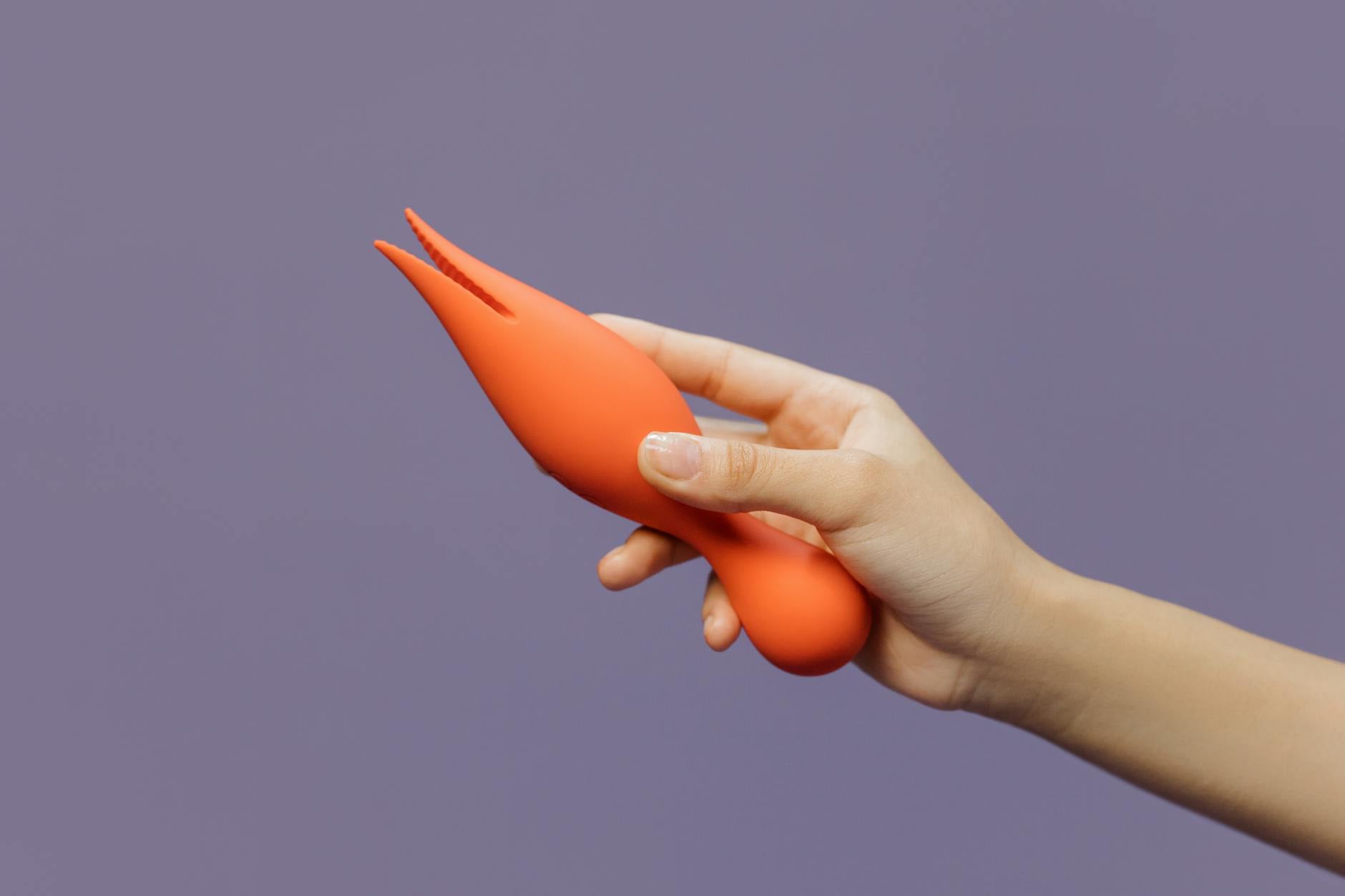
I've worked with hundreds of couples where physical intimacy hit a wall. Sometimes it's stress. Sometimes it's illness, medication, or a new baby. Sometimes it's just drift—the kind that happens so quietly you don't notice until months have passed and touch feels foreign.
Here's what makes lemon clitoral vibrators different from other ways to restart intimacy. They're designed for pleasure that doesn't require performance. No pressure to get hard, no waiting for arousal to build on someone else's timeline, no worrying if you're doing it right. A lemon vibrator—especially the air-suction design—focuses purely on sensation, which removes most of the psychological friction that keeps couples stuck.
When a partner brings a lemon vibrator into the bedroom, they're saying three things without words: "I want you to feel good. I'm not waiting for you to meet me halfway. I trust you enough to explore this together." That's permission disguised as a toy.
Many couples find that the act of using a lemon vibrator together becomes less about the orgasm and more about the fact that you're choosing each other again. That choice is the real restart.
Don't surprise your partner with a lemon vibrator in the drawer. That never goes the way you think.
Instead, start with what's true: "I've noticed we haven't been intimate, and I miss you. I don't think there's anything wrong with us. I think we're stuck, and I want to find a way back in that doesn't feel forced." That's honest and it opens the door without blame.
Then, if it feels right: "I've been reading about how some couples use vibrators to reconnect, and I'm wondering if that's something you'd be open to trying."
What matters is that you're asking, not deciding. Their comfort matters more than your timeline. If they say no, that's information too—it usually means they need to feel safer first, not that they're rejecting you.
If they've said yes, don't jump to simultaneous orgasms.
First session: one person uses the lemon vibrator alone while the other watches (or doesn't—they can just be in the room). This removes the performance anxiety completely. There's nothing for the other person to do. No expectations. Just presence.
Many couples find this shifts something. Watching your partner experience pleasure without needing anything from you is oddly intimate. You're not performing. You're witnessing.
Second session: they can touch you while you use the lemon vibrator. This is where vulnerability happens. You're showing them what feels good, what speed, what pressure. That information is powerful. Partners often tell me this is the moment they felt closest to their person in years—not because of the vibrator, but because of the honesty.
Third session: you use it together. Maybe they hold it while you guide the pressure. Maybe you use it while they touch you elsewhere. The point is you're in it together now.
It will feel weird at first. That's not a sign it's wrong.
Sexless periods often come with shame or confusion on both sides. One person blames themselves. The other feels rejected. You're both probably carrying some version of "this is broken and it's my fault." A lemon vibrator doesn't fix that by itself. But it creates a space where you can stop defending and start exploring.
If you laugh, that's good. If there's a moment where you both feel nervous, name it: "This is weird, right? We're doing it anyway." That honesty matters more than anything feeling perfect.
If you've got a Hello Nancy lemon vibrator (or similar clitoral suction toy), start on the lowest setting. The air-pulse technology means there's no jarring sensation—it's more like a gentle rhythm than vibration. This is actually better for couples reconnecting because it feels different enough to be interesting without being intimidating.
Try these approaches:
For the person using it: Focus on what feels good, not on reaching an orgasm. If you come, great. If you don't, that's also fine. The point is sensation, not outcome. This takes pressure off both of you.
For the partner: Your job is attention. Watch, touch elsewhere on their body, talk if they want that. Some couples find that whispering "I love you" or asking "Does that feel good?" rebuilds emotional connection fast. Others prefer silence. Ask.
For building arousal together: Try using the lemon vibrator while you kiss or touch each other. The vibrator doesn't replace intimacy—it extends it. It gives your nervous systems something to sync around.
If you've been sexless for a while, tissues might be less lubricated, arousal might take longer, or touching might feel more sensitive than before. This is normal and temporary. Use a water-based lubricant with your lemon vibrator (it's compatible with silicone toys). Budget extra time for warming up. Don't jump straight to the toy. Touch first, talk first, ease into it.
If pain shows up, stop. That's a separate conversation with a doctor, not something a vibrator fixes.
If you've tried this and it still feels blocked, or if your partner refuses to engage and the relationship feels stuck elsewhere too, that's therapy territory. A couples counselor can help you understand what the sexless period actually means—sometimes it's a symptom of a deeper disconnection that a lemon vibrator can't address alone.
But most couples I work with find that the act of trying something new together—with honesty and without pressure—shifts enough to restart the conversation about intimacy. A lemon vibrator is just the opening.
Yes. In fact, the longer the gap, the more important it is to start with something that removes performance pressure. A lemon clitoral vibrator does exactly that because the focus is purely on sensation and pleasure, not on penetration or mutual arousal. Start with shorter sessions and lower intensity. Longer gaps sometimes mean tissue needs more time to adjust, so go slow.
That's a conversation about what the toy means to you, not about attraction. Be specific: "I brought this because I want us to feel good together again. This isn't about you not being enough. It's about us finding a way back in that works right now." Invite them to use it on you, which shifts the dynamic from "something you do to yourself" to "something we explore together." That distinction matters.
No. In fact, most couples who restart with a vibrator find it easier to transition back to intercourse because they've rebuilt the habit and comfort of being intimate. What sometimes happens: you realize you like the vibrator and want to keep using it alongside other forms of sex. That's also fine.
With gratitude and honesty. "I found that and I'm really glad you're thinking about this too. I want to make sure we're on the same page about when and how." Then follow the conversation framework above. They might have bought it as a signal that they're ready, or they might have bought it and then gotten nervous. Either way, talking beats assuming.
Start with once or twice a week, but don't get rigid about it. The goal isn't frequency, it's comfort. Once you've rebuilt the habit of touching and being intimate, you'll find a natural rhythm. Some weeks you'll use it. Some weeks you won't. That's healthy.
Yes, and in fact a clitoral vibrator might help you navigate that side effect. Air-suction toys like the lemon vibrator often work well for people on SSRIs because they provide consistent, gentle stimulation without requiring the kind of friction that feels harder to achieve with dampened sensation. That said, talk to your doctor about what you're experiencing—sometimes a medication adjustment helps too. For more specific guidance, check out our guide on how to use lemon vibrators for better results with antidepressants.
I want to be honest about what happens next. Using a lemon vibrator together won't fix a relationship that's broken in other ways. It won't resolve resentment or communication problems that exist outside the bedroom. But it will remind you both that pleasure and intimacy are possible. It will create a space where you can stop defending and start exploring.
Sexless periods happen to most long-term couples. They're not a sign of failure. They're a sign that something needs attention. A lemon vibrator is just a tool for paying that attention together. The real work is the conversation, the vulnerability, and the choice to keep choosing each other.
That choice is what matters. Everything else is just sensation.