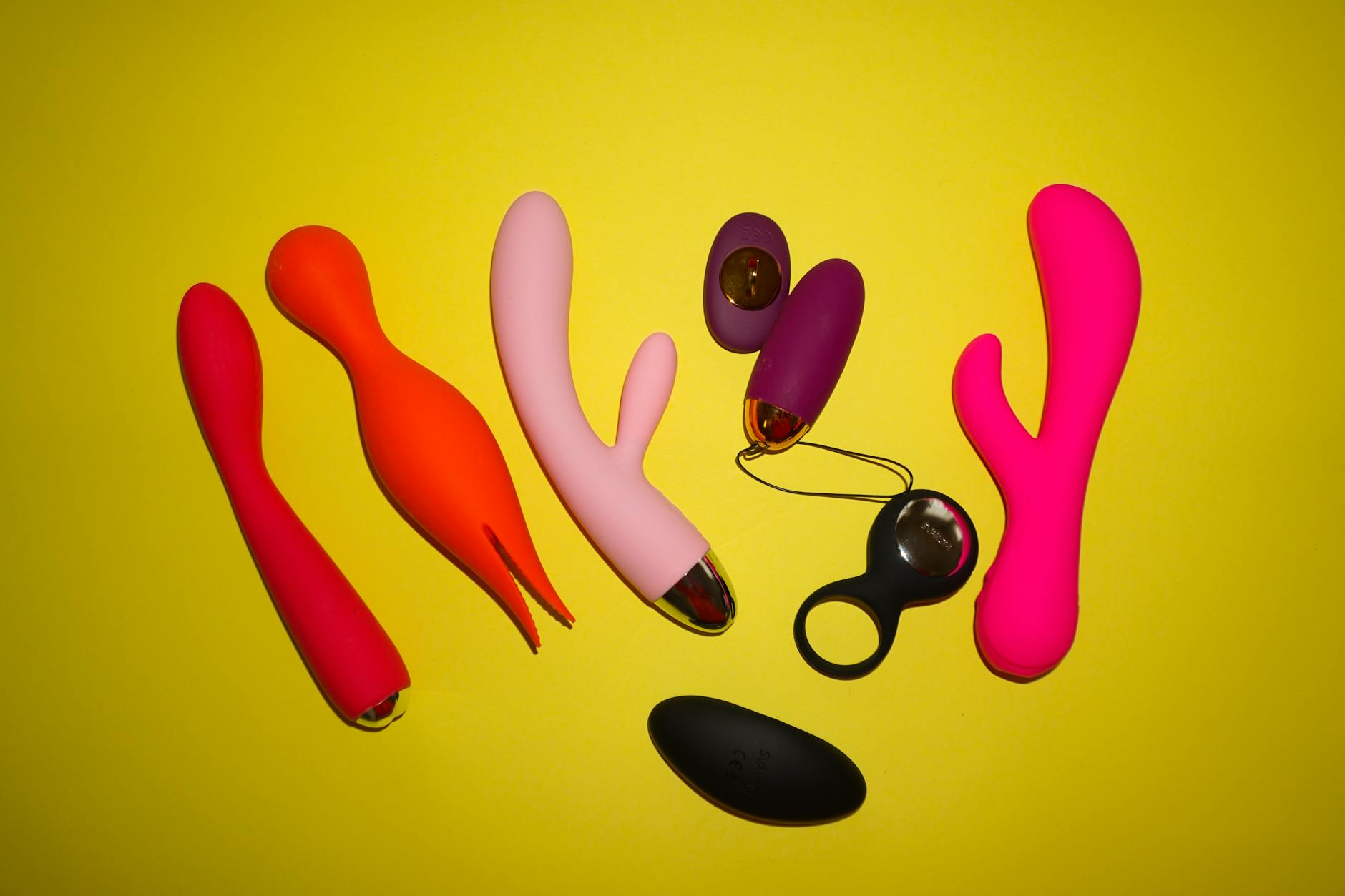
Divorce rewires your relationship with your own body
Let's be real. After a marriage ends, pleasure doesn't just feel complicated. It feels like someone else's thing. You spent years responding to a partner, accommodating their timing, calibrating your needs around theirs. Then suddenly, you're alone with your own body and you're not sure what it wants anymore. Or if it wants anything at all.
That feeling is normal. And it's temporary. But it doesn't shift on its own.
Lemon clitoral vibrators aren't a fast-track solution to healing. They're a permission slip. A tool that says: you deserve to feel good. Not in some distant future when you've "recovered." Now.
Why pleasure feels different after divorce
Divorce isn't just an ending of a relationship. It's often an ending of the identity you held inside that relationship. You were a "we" for years. Your nervous system learned to anticipate, to compromise, sometimes to disappear. Even if the marriage was unhappy, your body doesn't instantly understand that it's safe to want things again. That it's safe to prioritize itself.
Three things happen post-divorce that make self-pleasure feel foreign.
First, there's the guilt. Even if the marriage was toxic, even if leaving was absolutely right, something in you may whisper that you're being selfish. Taking pleasure alone can trigger that same voice. It's worth naming it: that voice is not useful. It's a residue.
Second, there's the neural reset. Your body learned to respond to a specific person, or a specific dynamic, or the absence of real desire altogether. That's not a failure. It's adaptation. But adaptation cuts both ways. It takes time for your nervous system to remember how to turn itself on independently.
Third, there's the practical distance. After years of partnered sex, solo pleasure often feels clumsy or awkward. You might not remember what your own arousal pattern looks like. You might not know what you actually enjoy versus what you got used to.
A lemon vibrator addresses all three by removing judgment, shortcutting the arousal curve, and giving you concrete information about what feels good.
Starting with air-suction: why lemon vibrators work for post-divorce bodies
Lemon clitoral vibrators use air-pulse suction rather than direct vibration. That distinction matters for someone rebuilding their relationship with pleasure.
Direct vibrators can feel intense or even jarring if you're just starting to feel sensation again. Air suction feels more like a gentle pulling, a rhythmic sensation that builds arousal gradually. It mimics the sensation of oral sex without the pressure or performance element. For someone who's been away from pleasure, that gentler ramping feels less overwhelming.
Hello Nancy's Lemon vibrator has multiple intensity levels, which means you can spend your first session exploring level one or two. That exploration is the entire point. You're not trying to reach a specific destination. You're relearning the geography of your own desire.
Many post-divorce clients tell me their first orgasm with a lemon vibrator feels different from what they remember. Slower to build. More focused. Sometimes less intense, but more satisfying. That's not because something is broken. It's because you're not performing for anyone. Your body is allowed to take its time.
Creating the mental space to use this tool
Physical pleasure after divorce is rarely blocked by the body. It's blocked by the mind.
Before you use a lemon vibrator, set up the experience so your brain knows it's allowed to want this. That means:
Schedule it intentionally. Not sneaking it in. Block out 30 minutes when you won't be interrupted and your attention is fully available. Your nervous system needs to know this isn't rushed.
Clean the space. Sounds simple, but a tidy bedroom or a shower beforehand sends a signal to yourself: I'm worth this preparation. You're not stealing pleasure. You're creating space for it.
No endgame. The whole point is to undo years of sex that was about "completion." This time, pleasure is the point. If you orgasm, great. If you don't, you still get to feel good.
Skip the fantasy guilt. If you're alone with your body, your mind is allowed to wander wherever it wants. Old fantasies. New ones. Memories of good sex. Pure sensation with no story. All of it is fine. The voice that says you "shouldn't" think about certain things is the same voice that made pleasure feel wrong. You can ignore it.
Building a rhythm that feels like yours
One of the unexpected benefits of lemon clitoral vibrators is that they force information gathering. You can't zone out. The variable intensities and patterns mean you're actively noticing what feels good.
Start at level one. Spend at least five minutes there before moving up. Notice: does this feel pleasurable? Neutral? Intense? Your body will tell you. Then try level two. Some people discover their favorite sensation is actually the lowest setting. Others want to climb higher. Neither is "right."
Post-divorce, this kind of active exploration is healing. You're not accommodating anyone else's preference. You're not trying to match someone else's pace. You're learning: what does my body actually like? Not what did I tolerate. Not what did I think I should want. What actually feels good to me.
Many clients find that this exploration takes three or four sessions to feel less awkward. That's completely normal. You're rewiring a neural pathway. It doesn't happen in one try.
The emotional component you can't skip
Divorce often involves grief, even when the marriage was painful. Using a pleasure tool while you're also grieving can feel complicated. Both things can be true: the marriage was wrong and you miss being wanted. The relationship was unhealthy and you mourn its ending. You're building a new life and sometimes that feels lonely.
Pleasure doesn't erase that grief. But it does send a message to your nervous system: good things still exist. Your body is still capable of feeling good. You're not ruined. You're not broken. You're rebuilding.
If shame or sadness comes up during self-pleasure, that's worth sitting with. You don't need to push through it. But you also don't need to decide that the tool is wrong. Your body is processing. The sensation itself is healing. Some therapists even call this somatic release.
The lemon vibrator becomes not just a pleasure tool, but a physical anchor: my body is mine. My pleasure is mine. I get to have it.
When to expand beyond solo use
If you eventually want to bring a partner back into your sexual life, solo exploration with a lemon vibrator is actually your best preparation. You now know what turns you on. You know your own arousal pattern. You know what pace works for you. That knowledge is a gift when you're with someone new.
Some people find it helpful to use the vibrator with a partner early on, which removes performance pressure and gives both of you clear information: here's what works for this person's body. Others prefer to keep solo exploration separate. Both approaches are fine. The point is that you've already done the work to reclaim your own pleasure.
The practical side: care and consistency
Lemon vibrators are easy to care for. Wash with warm soapy water or a toy cleaner, dry fully, and store somewhere clean. The silicone is body-safe and durable. Most people find the same lemon vibrator works for years.
Consistency matters more than intensity. Using your vibrator once a week is more valuable than an intense session once a month. Your nervous system benefits from the regularity. You're building a new habit: I deserve solo pleasure. I prioritize it. I make time for it.
After divorce, giving yourself this consistently small act of self-care reshapes the narrative. You're not waiting for someone to make you feel desired. You're actively, intentionally creating that sensation for yourself. That's not lonely. That's sovereignty.
People also ask
Is it normal to feel weird using a vibrator alone after being married?
Completely normal. You spent years having sex as a partnered activity. Your body learned that sexual response was collaborative. Using a lemon vibrator means learning to self-activate. That's a different skill. It takes time to feel natural. Usually three to five sessions in, the awkwardness softens.
How long does it take to orgasm with a lemon vibrator after divorce?
Varies wildly. Some people orgasm within a few minutes. Others take 15 or 20. Some sessions don't result in orgasm at all, and that's completely fine. Post-divorce, the goal isn't efficiency. It's sensation and reconnection. If you're expecting an orgasm, you're missing the actual point.
Can using a lemon vibrator make it harder to climax with a partner later?
No. If anything, the opposite is true. You've learned what your body likes. You can communicate that to a partner. The vibrator is training, not competition. Partners often appreciate that you've done the work to understand your own pleasure.
Should I tell a new partner I use a lemon vibrator?
That's your choice. Some people bring it up early. Others keep it private. If you do eventually have a partner who wants to be involved sexually, transparency helps. But you're never obligated to disclose your solo practices. Your solo pleasure is yours.
What if I feel ashamed or sad when I try to use the vibrator?
That's information, not failure. Divorce unlocks a lot of feelings. Pleasure can bring up grief, shame, or loneliness. If that happens, you can pause. You can cry. You don't need to push through. And you don't need to decide the vibrator isn't for you. These feelings usually ease with time and repeated use as you retrain your nervous system to associate solo pleasure with safety, not shame.
How do I know if a lemon vibrator is right for me versus another type?
Lemon clitoral vibrators are particularly good for post-divorce bodies because the air-suction sensation is gentler than direct vibration and because the variable intensities let you learn your own arousal gradually. If you're sensitive or haven't had solo pleasure in a while, starting with a lemon vibrator is often easier than jumping to a stronger tool. You can always explore other options later.
Moving forward
Divorce is not the end of your sexual story. It's a chapter break. The lemon vibrator isn't a solution to the bigger emotional work of healing. But it is a concrete tool that says: you're allowed to feel good. Your body is yours. Your pleasure matters. That message, repeated consistently, rewires something fundamental.
If you're navigating post-divorce recovery and have questions about rebuilding intimacy with yourself or eventually with a partner, reach out at /contact. That's what I'm here for.
Your pleasure is not a luxury. It's a form of reclamation.