Let's talk about the gap
A long break from sex happens for a lot of reasons. Life, grief, health issues, relationship rupture, medical trauma, burnout. Sometimes it's voluntary. Sometimes it's not. Either way, the longer you're away from your own pleasure, the harder it feels to find your way back.
That gap isn't a failure. But it does change how your body responds. And that's exactly what lemon vibrators are surprisingly good at addressing.
What happens to your body during a sexual pause
Your arousal system is like a muscle. When you're not using it regularly, the neural pathways that light up during pleasure get quieter. Blood flow to genital tissue decreases. Your pelvic floor tenses up from disuse. Mentally, there's often anxiety layered on top: "Will I still feel this? Will it still work? Have I changed?" The answer to all three is usually yes, yes, and kind of.
But here's what's important: you haven't lost the capacity. You've just lost recent practice. That's wildly different from broken.
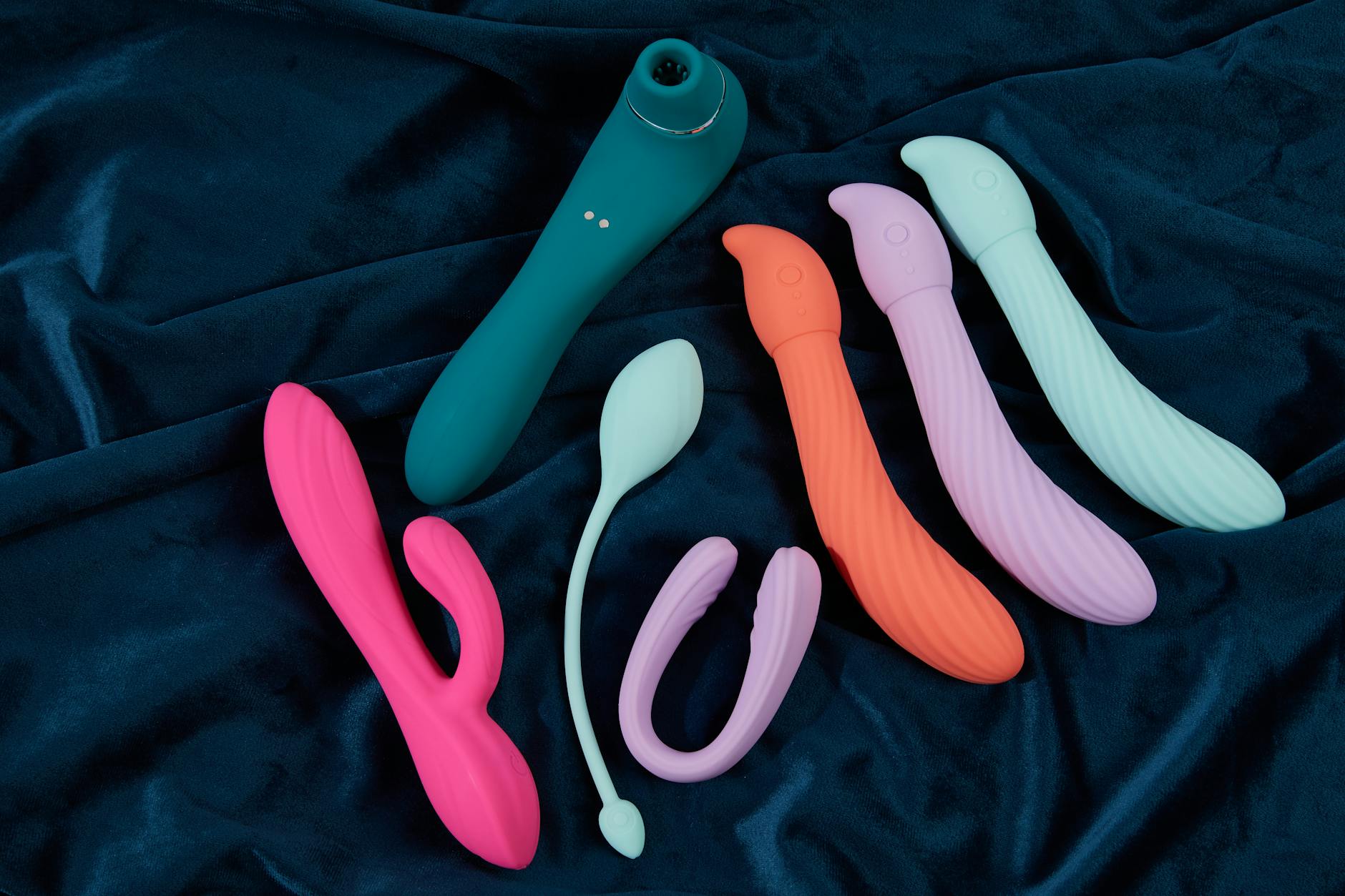
Lemon clitoral vibrators are particularly useful for this specific situation because they work with your nervous system rather than demanding it fire up from zero. The gentle suction pattern and consistent stimulation pattern bypass some of the psychological resistance. Your brain gets out of the way faster.
Why lemon vibrators are gentler than other devices for reentry
Most vibrators work on direct vibration. That means your nerve endings have to wake up and process rapidly changing stimulation. It's a jolt. For someone coming back after a long pause, that jolt can feel overwhelming, almost uncomfortable.
Lemon sexual toys use air-suction technology instead. That means the stimulation builds gradually. It's more like a wave than a tap. For people rebuilding their arousal system, that gentleness matters. Your body can ease into the sensation rather than being startled by it.
The design is also smaller and less intimidating than a traditional wand. If you have anxiety about "starting again," sometimes a tool that looks less medical, less serious, less official helps your nervous system relax. That shouldn't matter, but it does.
Starting over: the first solo session
I recommend setting this up when you have zero pressure. No partner expecting results. No timeline. Just you and a closed door.
First, lower your expectations. A lot. Your first session back might not end in orgasm. It might not even produce strong sensation. That's completely normal. You're essentially reintroducing your body to a type of stimulation it hasn't had in a while. Treat it like you're learning something new, not returning to something you already know.
Set up comfort. Clean sheets. Privacy. If you like, lower lighting. Temperature matters: warm rooms feel safer to your nervous system than cold ones. This might sound small, but people who've had breaks from sex often have anxiety about it. Comfort settings help dial that back.
Then do something unusual: spend 10 to 15 minutes just touching yourself without the device. Not performance, not goal-oriented. Just reconnecting with your own body. Your hands on your thighs, your chest, your inner wrists. Anywhere that feels safe. This sounds almost silly, but reconnection with your own touch is actually the missing first step for many people.
Once you feel a tiny bit of ease in your body, that's when you introduce the lemon vibrator. Start on the lowest setting. Let it sit against your outer labia without moving it. Let your nervous system register what it is. Then, slowly, let it move closer to your clitoris. Still low setting. The goal here is sensation, not intensity.
The patience part that actually matters
Here's where I see people go wrong: they expect their body to remember exactly how pleasure felt before the break. It won't. And it shouldn't. You've changed. Your hormones might be different. Your stress level is different. Your body has different history.
Some of my clients say that pleasure feels sharper after a long break, almost too intense at first. Others say it's more diffuse, less peaked. Both are normal. Both change as you practice more.
Give yourself permission to spend three to five solo sessions with the lemon clitoral vibrator before adding any partner dimension. This isn't puritanical. It's practical. You need to rebuild your own arousal map before you're trying to synchronize with someone else's rhythm.
Bringing a partner back into this (if that's part of your story)
If you're restarting sex after a pause with the same partner, the conversation matters more than the device. This is where I spend the most time with couples.
You're not starting from the same place you left off. You both have months or years of separate history now. Different bodies, different stresses, maybe different desires. Treating the restart like you're clicking resume on the old file doesn't work.
Instead, come back together like you're early dating. Slow. Curious. Without expectation. Let your partner watch you explore the lemon vibrator solo if they want to. Let them hold it. Let it be a tool you both discover together rather than something you already know how to use.
For partners who didn't take the break with you, the key is honesty about what you need. "I need lower stimulation at first." "I need more time to warm up than I used to." "I have some anxiety about this and I need you to be patient." These conversations aren't sexy, but they're what makes the physical part actually work.
The emotional layer you can't skip
Sometimes a long break from sex connects to deeper stuff. Relationship disconnection. Body image. Trauma. Trust issues. A lemon vibrator can help you reconnect with physical pleasure, but it can't fix the emotional reason you left in the first place.
If your break was related to relationship damage or trust issues, I'd suggest talking to a therapist or couples counselor before you push yourself to restart. A device is a great tool for rediscovering sensation. It's not a replacement for rebuilding emotional intimacy.
If your break was health-related or medical, checking with your doctor before restarting is smart. Some conditions require clearance. Some need specific positioning or timing. It's worth confirming.
Common fears about coming back
You're not going to feel exactly how you felt before. Your body has aged. Your brain has different stress. That's not a problem. That's just reality.
You might not orgasm the first few times. That's also normal. Orgasm is often the last thing to return, not the first.
Your partner might feel rejected by the break. That's a separate conversation from the physical restart. Handle it first.
You might feel awkward or vulnerable using a device after months away from sex. That's completely valid. Start solo. Build confidence on your own. Bring the partner dimension in later.
FAQ: Coming Back to Pleasure
How long does it usually take to feel normal again after a break from sex?
There's no standard timeline. Some people feel reconnected after three or four sessions with a lemon vibrator. Others need two or three months of regular practice. The key is frequency and gentleness, not intensity. Consistent low-pressure exploration beats occasional intense attempts every time.
Is it normal to feel pain or discomfort when I start using a clitoral vibrator again?
Sharp pain is not normal and worth checking with a doctor. But a sensation of sensitivity or mild discomfort as you reintroduce stimulation to tissue that's been inactive? That's common. It usually resolves within a few sessions. If it persists beyond a week or two of regular use, get it checked out.
Should I use the lemon vibrator alone first, or is it okay to use it with a partner right away?
I always recommend solo exploration first. It takes the performance pressure off. Your nervous system can relax. You learn what feels good at your own pace. After two or three sessions, adding a partner in the room is fine. Let them watch or participate however feels right.
What if I don't have an orgasm with the lemon clitoral vibrator the first time?
That's the most common outcome. Don't chase it. Orgasm is often the slowest thing to return after a long break. Focus on sensation and pleasure as the goal, not the climax. Let orgasm be a bonus that shows up when your nervous system is ready.
Can using a lemon vibrator help me feel desire again if I've lost it during the break?
Yes, but with caveats. Physical pleasure sometimes rekindles desire. Sometimes it doesn't. If your break was connected to relationship issues or deeper disconnection, the vibrator might help with sensation but not with desire. That often needs conversation and emotional work alongside the physical stuff.
Is there any risk to using a lemon sexual toy if I haven't had sex in a really long time?
No medical risk, as long as your device is clean and your tissue is lubricated. Water-based lube is your friend here. The only "risk" is doing too much too fast and overwhelming your nervous system, which is why starting slow and solo matters.
The real thing about coming back
Your body hasn't forgotten how to feel good. It's just been waiting. The return to pleasure after a long pause isn't about fixing something broken. It's about patiently reintroducing yourself to something you already own.
Lemon vibrators, with their gentle suction and gradual intensity, just make that reintroduction a little easier. Start solo. Go slow. Trust that your nervous system will remember, even if it takes a few sessions.
If you have questions about your specific situation, or if you're struggling with the emotional side of restarting, reach out to a therapist or your doctor. That's what they're there for. But the physical part? You've got this.
The best version of your sexual life might not be behind you. It might be right here, waiting for you to come back to it.