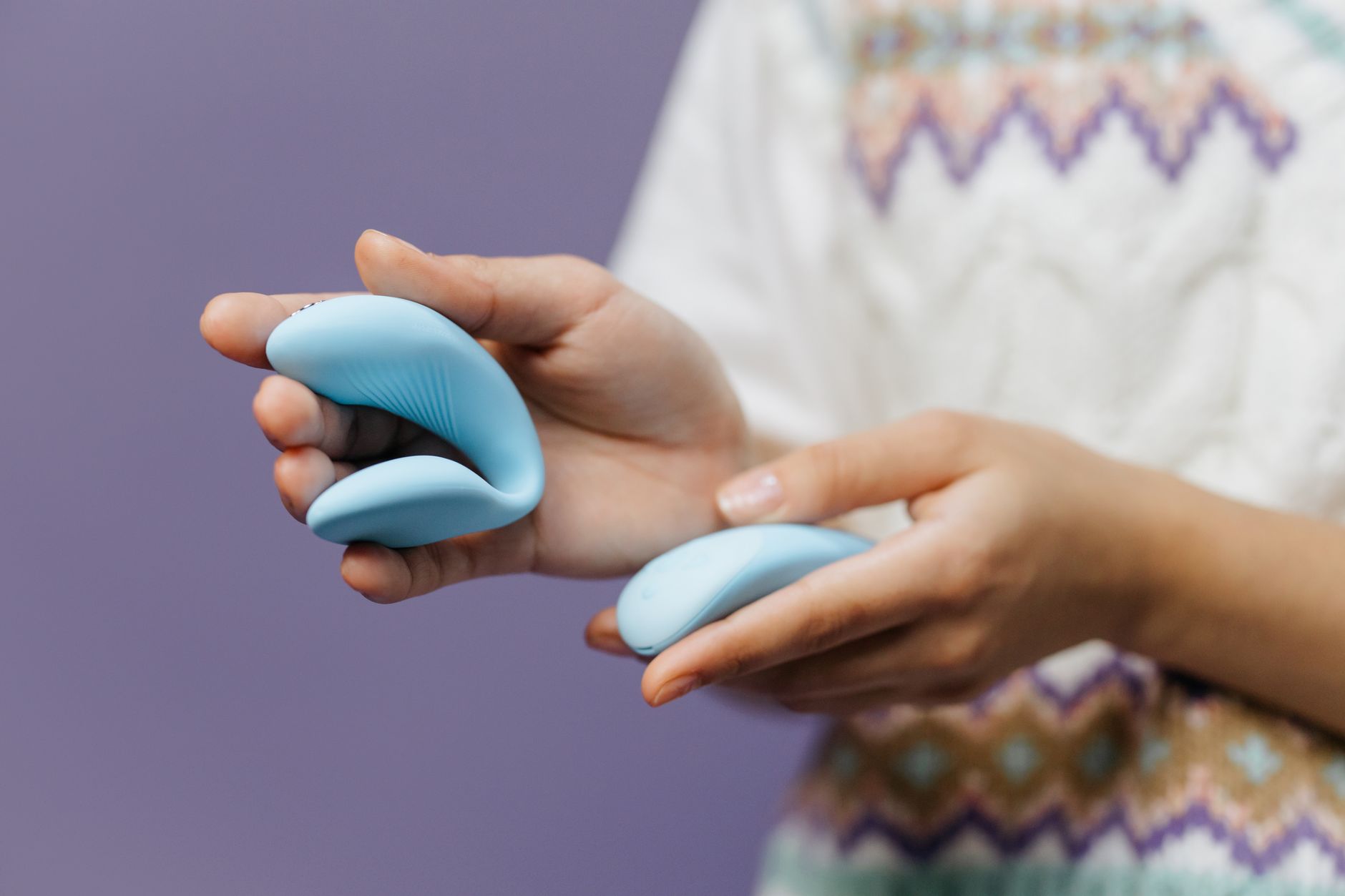
Let's talk about what nobody warns you about
Surgery changes things. Not just the surgical site itself, but how your entire body feels pleasure, how arousal builds, and how your nervous system responds to touch. If you've had any pelvic, gynecological, or abdominal surgery, you probably already know this. And if you're trying to figure out how to reconnect with pleasure afterward, you're not alone.
Here's the uncomfortable truth: most people aren't told that clitoral sensation and arousal patterns shift after surgery. Your surgeon talks about healing timelines and scar tissue. They don't usually talk about pleasure. So you're left guessing whether what you're feeling (or not feeling) is normal, temporary, or permanent.
How surgery affects clitoral sensation
Depending on the type of surgery, several things can happen. If the procedure involved the pelvis, abdomen, or any tissue connected to nerve pathways that run through those areas, those nerves get irritated, numbed, or temporarily disrupted during healing.
This doesn't mean sensation is gone forever. It means your nervous system is reorganizing itself. Nerves heal slowly. Inflammation from surgery makes sensation feel muted or distorted for weeks or months. Scar tissue, even internally, can interrupt how signals travel from your clitoris to your brain.
Add to that the psychological component. Surgical trauma lives in your body. Fear of pain, anxiety about healing, and the mental load of recovery all dampen arousal. Your brain is protecting you, which is smart, but it also means pleasure takes a back seat while your body does the real work of healing.
Most people find that sensation gradually returns. But "gradually" can mean anywhere from six weeks to six months, depending on the surgery and how your individual nervous system bounces back.
The timeline: what's normal at each stage
Weeks 1 to 4 after surgery, you're cleared to do almost nothing. Your focus is on not opening stitches and managing pain. Pleasure is not the priority, and honestly, your body isn't ready.
Weeks 5 to 8, you might get cleared for light activity and gentle touch. This is not the time to use your Lem vibrator. But it is the time to start noticing what kind of touch feels safe. Can you be touched gently on the outer labia? Does internal pressure hurt? This information matters.
Weeks 9 to 12, you're often cleared for more normal activity. If your surgeon said no penetration or internal stimulation, respect that boundary. But external touch becomes more tolerable. This is when some people start thinking about using a clitoral vibrator again. Proceed slowly.
Months 4 and beyond, most people find sensation returning and arousal becoming easier. This is when your Lem vibrator can genuinely help rebuild pleasure. But the return is rarely linear. You'll have days where sensation feels almost normal and days where it's muted again.
Why your Lem vibrator is different (and useful)
Traditional vibrators create a lot of direct mechanical friction. For someone healing from surgery, that can feel overwhelming on sensitive, reorganizing tissue. The suction-based design of a Lem vibrator works differently. It stimulates through indirect pressure and rhythmic suction rather than direct contact. For post-surgical bodies, this is often more tolerable.
The Lem vibrator also gives you precise control over intensity. You're not stuck with one speed. You can start at the lowest pattern and build up as sensation returns. That's crucial when you're relearning what pleasure feels like in a changed body.
Start with settings 1 and 2. Use them for short sessions, 5 to 10 minutes. Notice what feels okay. If you experience pain (not pressure, not unfamiliar sensation, but pain), stop. Pain is your nervous system saying "not yet." That's information, not failure.
The mental piece that matters more than you think
Here's what gets left out of most recovery advice: pleasure is not just physical. Your brain has been through trauma. Your body sent distress signals. Your nervous system activated a full protective response. Even when the surgical wound heals, your nervous system sometimes stays in protection mode.
This looks like difficulty getting aroused, difficulty feeling pleasure even when physical sensation is there, or an odd feeling of disconnection from your body. This is common and it's not a sign that something is wrong with you. It's a sign that your nervous system needs time to feel safe again.
Rebuild pleasure gradually. Use your Lem vibrator as part of self-pleasure, not as a performance tool. If you have a partner, tell them what's happening. Not to apologize, but so they understand that this is a process. Pleasure returns faster when you're patient with yourself.
Scar tissue and desensitization
If your surgery left internal or external scar tissue near sensitive areas, that tissue can feel numb or hypersensitive depending on how nerves grew back around it. This is temporary, but it can last months.
Gentle, consistent stimulation can actually help retrain nerves around scar tissue. This sounds counterintuitive. But research on nerve recovery shows that safe, gradual stimulation encourages nerves to re-establish connections. Your Lem vibrator, used gently and consistently, can be part of that retraining.
Don't use it as punishment or as a way to force sensation back. Use it as a way to reacquaint your nervous system with pleasure. The goal is not orgasm (though that may happen). The goal is sensation and safety.
Red flags: when to pause and talk to someone
Pain during or after using any vibrator is not normal post-recovery pleasure. Stop and wait longer. Increasing numbness or sensation that doesn't improve after three months deserves a conversation with your surgeon or a pelvic floor specialist.
If arousal doesn't return at all after four to six months, ask about pelvic floor physical therapy. Sometimes the muscles that support arousal need specific help to retrain. That's not something your Lem vibrator can fix alone, but it's something a specialist can address.
If pleasure feels psychologically blocked (your body is healed but your mind feels afraid or resistant), talking to a therapist who specializes in sexual trauma or surgical recovery can help. Pleasure after surgery is sometimes about permission as much as it's about sensation.
Rebuilding with a partner
If you have a partner, surgery often disrupts intimacy in ways that aren't just physical. One partner is recovering and nervous about pain. The other is worried about hurting them or doing something wrong. Both of you miss physical connection. This is fertile ground for resentment if you don't talk about it directly.
Tell your partner what you want to try: using your Lem vibrator as part of your own recovery. Invite them to be present without pressure. They can be in the room, they can offer comfort, but the pleasure is for you, about you, at your pace. This keeps intimacy alive while you heal.
When you're both ready to include them in pleasure again, that conversation is separate from the recovery conversation. They are two different things and they need two different approaches.
The timeline for partnered pleasure
Most surgeons clear you for penetrative sex around six to eight weeks, depending on the procedure. But "cleared" doesn't mean ready. Arousal takes longer post-surgery. Comfort with touch takes time. Even if you're physically healed, your nervous system might need more time.
Start with external touch only. Use your Lem vibrator together if you want. Let arousal build slowly. When you do try partnered pleasure, go slower than you did before surgery. Your body is different now. It has different boundaries, different needs, possibly different capacities. That's not a tragedy. It's just new information.
Pleasure after surgery is not about rushing back to "normal." It's about discovering what pleasure looks like in your body now.
When sensation doesn't come back the way you expected
Sometimes people heal completely, but pleasure doesn't feel the same. Orgasms might feel less intense. Arousal might be slower. Sensation might be slightly numb or different in texture. This is real and it happens. And it's often permanent, not temporary.
This doesn't mean pleasure is gone. It means it's different. Many people who work through this find that different becomes interesting. Your Lem vibrator might feel different too. Patterns that never worked before might work now. Intensities that felt overwhelming now feel just right.
Give yourself permission to explore this new version of your pleasure without comparing it to before. Before surgery and after surgery are different chapters. That's not loss. That's just life in a body.
A note on patience
Recovery is not linear. You'll have days where everything feels almost normal and days where sensation dips back. Healing isn't a straight line upward. It's a plateau with dips and then a new plateau. Trust this process. Your body knows how to heal. Your nervous system knows how to reorganize. All you need to do is be patient, gentle, and willing to explore what feels good now.
Your Lem vibrator is a tool for that exploration. Use it as permission to pay attention to your own pleasure without shame or pressure. That attention alone is part of healing.
FAQ: Pleasure and recovery after surgery
How long should I wait after surgery before using any kind of vibrator?
Most surgeons recommend waiting until you're at least six to eight weeks post-op, cleared for normal activity, and pain-free with light touch. This varies wildly depending on the surgery. Ask your surgeon specifically about external stimulation and clitoral vibrators. They may have different timelines than penetrative activity.
Can using my Lem vibrator too soon after surgery damage my healing?
If you're causing pain, yes, stop. But gentle external use of a clitoral vibrator once you're cleared for normal activity is unlikely to damage healing tissue. The key is "gentle." Start at the lowest settings. If you feel pain (not sensation, pain), pause and wait longer. Your body will tell you when it's ready.
My sensation came back but it feels different. Is something wrong?
No. Sensation often feels different after surgery because the nerves reorganized themselves during healing. That tissue is sensitive in different ways. Give yourself time to reacquaint yourself with how pleasure feels now. It's not wrong. It's just different.
Should I tell my partner I'm using a vibrator during recovery?
That depends on your relationship and your comfort. If you share a bedroom or intimate space, they'll probably notice. More importantly, if you're comfortable being vulnerable with them, telling them can transform recovery from a lonely process into a shared one. You don't need permission, but you might benefit from support.
What if I'm scared to use a vibrator after surgery?
That's incredibly normal. You went through something that disrupted your sense of safety in your body. Using a vibrator might feel like crossing a boundary you just established. Start smaller: use your hand. Notice what touch feels safe. Build from there. Your Lem vibrator will be ready when you are.
How do I know if I should see a pelvic floor specialist?
If you're more than four months post-op and sensation or arousal haven't improved, a pelvic floor physical therapist can assess whether your muscles are part of the issue. They can also check for scar tissue and help you retrain the muscles that support arousal. This is especially helpful if you're experiencing pain or complete numbness.