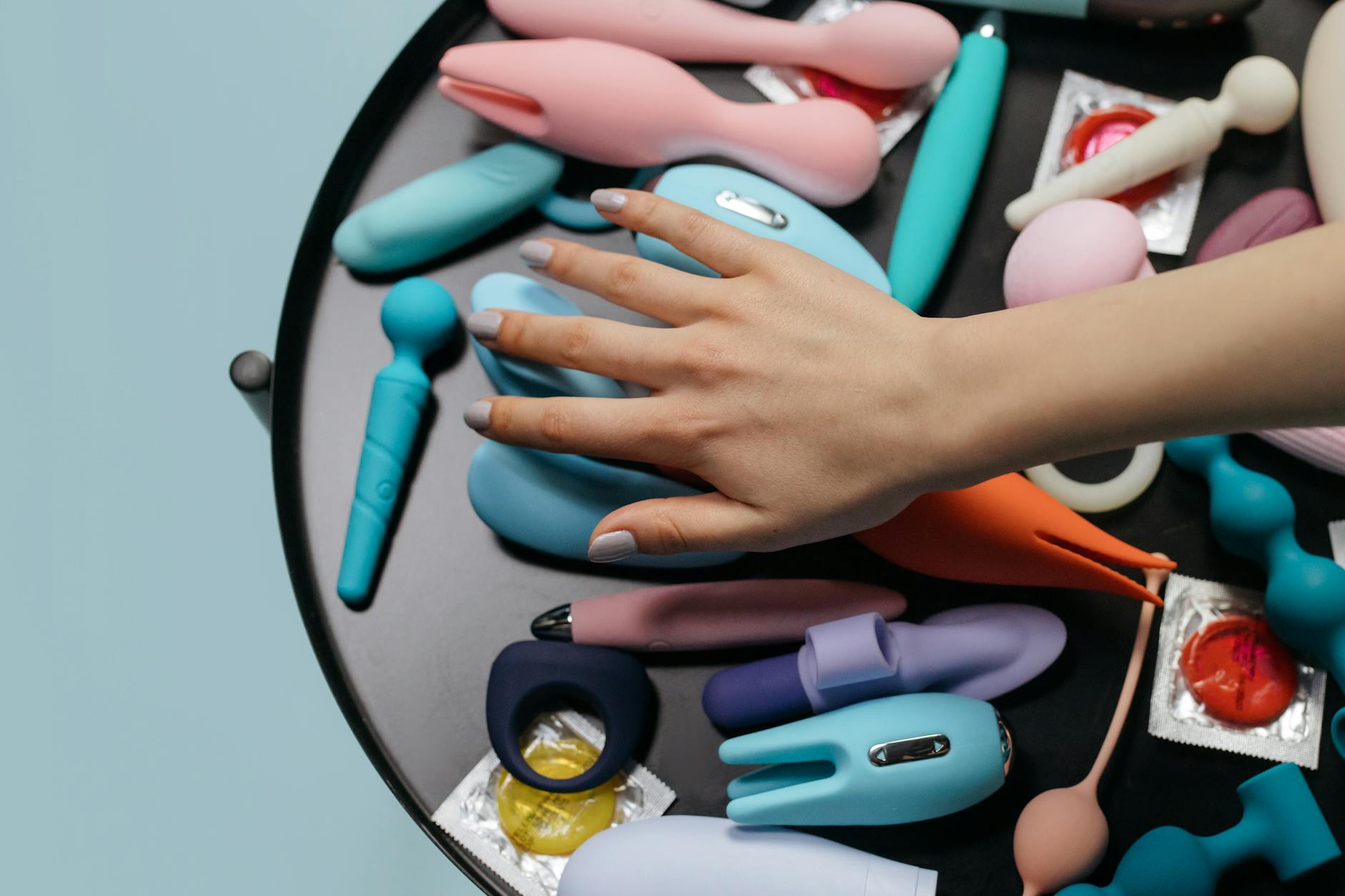
How to Choose a Lemon Clitoral Vibrator When You Have a Sensitive Vulva
Sensitive vulva skin isn't a problem to solve. It's information you need to use when choosing a toy. Most people with sensitivity think they have to pick between comfort and pleasure. They don't. You just need to know what to look for.
I've worked with clients who spent years avoiding vibrators because they assumed sensitivity meant no toys, period. Then they found the right one and everything changed. It's not magic. It's about material, intensity, and contact surface. Let me walk you through each.
What makes a vulva sensitive in the first place
Sensitivity can come from texture issues (eczema, psoriasis, contact dermatitis), hormonal changes, medication side effects, or just your baseline anatomy. Some people are born with more nerve endings in their vulva. Others develop sensitivity after surgery, childbirth, or menopause. It doesn't matter which applies to you. What matters is knowing your specific triggers.
Before you buy any lemon clitoral vibrator or other sex toy, ask yourself: Does your sensitivity hurt, itch, feel raw, or feel hyperstimulated? Each answer points to a different feature set. Pain and rawness suggest you need softer materials and lower intensity. Hyperstimulation (that overstimulated, almost pins-and-needles feeling) often means you need narrower contact, more space between vibrations, or a toy with variable patterns rather than constant buzz.
Material is your first filter
This is non-negotiable. Cheap materials with porous surfaces trap bacteria, irritate skin, and can flake off over time. You want medical-grade silicone, borosilicate glass, or stainless steel. Full stop.
Medical-grade silicone is the most common for lemon vibrators and other clitoral vibrators. It's non-porous, hypoallergenic (when it's actually medical grade, not just labeled that way), and warms to body temperature. It feels gentle on sensitive skin.
Glass and stainless steel are excellent for people with silicone sensitivities, though that's rare. They're inert, completely non-porous, and can be run under warm water to take the edge off if they feel too cool.
Avoid: PVC, jelly rubber, TPE (thermoplastic elastomer), and anything that smells chemical out of the box. These materials are porous, can contain phthalates or other softening agents, and will irritate sensitive tissue over time.
Intensity and pattern matter more than you think
Most people assume "sensitivity" means "needs low power." Sometimes yes, sometimes no. Some people with sensitive vulvas need different intensity, not necessarily lower.
Here's the distinction: if touch itself feels painful or raw, you need genuinely lower intensity and probably a quieter toy (vibration travels, and constant buzzing on sensitive tissue gets exhausting). But if you experience hyperstimulation (that scattered, overstimulated feeling), you might actually need slightly higher intensity to achieve sustained, focused sensation rather than fluttering. It sounds counterintuitive, but it works because stronger vibration at lower frequency feels more controlled than weak vibration at high frequency.
Look for lemon adult toys with multiple intensity settings or pattern options. The ability to start at level 1 and build up matters way more than maximum power. You want to control the experience moment by moment. A vibrator with seven patterns at one intensity is less useful than one with four intensities you can actually modulate.
Air-suction toys like the Lem Vibrator work well for sensitive vulvas because they create stimulation through gentle pressure changes rather than direct vibration. There's less grinding, less constant friction, and you get a sensation that feels more integrated rather than localized.
The contact surface shapes everything
Wide, flat contact surfaces spread stimulation across more skin, which feels gentler. Pointed or narrow tips concentrate stimulation, which can feel intense or even sharp on sensitive skin. For sensitive vulvas, look for toys with wider contact areas or rounded, smooth edges.
The Lem Vibrator's design is specifically shaped for broad, gentle contact. Other lemon sexual toys with similar profiles (wider, curved heads rather than bullets or rigid points) work well. Anything narrow or pointy is generally harder on sensitive skin, even at low intensity.
Also check the texture. Some vibrators have tiny ridges or patterns for texture. For sensitive skin, smooth is better. Texture can feel scratchy or overstimulating, even if it's subtle.
Lubrication is part of your setup, not an afterthought
Your body's natural lubrication matters, but external lube is often essential for sensitive skin. Water-based lube reduces friction and makes the experience feel smoother. Silicone-based lube feels richer and lasts longer, but you can't use it with silicone toys (it breaks down the material).
Use generous amounts. Friction is what irritates. Lubrication is your buffer. For sensitive vulvas, it's not optional. It's part of the toy experience itself.
If you find your body isn't lubricated during solo play, that's fine. Add lube anyway. Arousal doesn't always produce visible wetness, especially if you're anxious about sensitivity or have hormonal changes affecting lubrication.
Warm-up time and patience change the game
Sensitive skin often needs longer arousal time before direct stimulation feels good. Budget 10 to 15 minutes for touch, breathing, mental settling, and gentle external stimulation before you use a vibrator. This isn't slow, sensual stuff for the sake of it. It's physiology. Your vulva needs time to swell, your skin needs time to become more elastic, and your nervous system needs time to shift into pleasure mode.
Start at the lowest intensity. Move the toy slowly. Notice what feels good versus what feels jarring. You're gathering data, not performing. This approach works whether you're exploring a lemon clitoral vibrator for the first time or switching to a new toy after years with something else.
When to see a doctor before buying
If you have active inflammation, open sores, an active yeast infection, or pain with any touch (even gentle), hold off on vibrators for now. See a gynecologist first. You might have something treatable (vulvodynia, contact dermatitis, or an infection) that will feel dramatically better once addressed. Vibrators work best when your baseline skin is calm.
If you've never identified what's causing your sensitivity, a quick chat with your doctor can help. A simple patch test or pH check can rule out common irritants and point you toward the right material.
Practical steps for choosing your first toy with sensitive skin
Start with one simple thing: a quality toy with broad contact, multiple intensity levels, and medical-grade silicone. The Lem Vibrator fits all three criteria. It's not the only option, but it's a reliable entry point. Use it with generous lube, start low, and give yourself permission to spend three or four sessions just figuring out what feels good before you expect anything intense.
If that doesn't work, the second step is narrowing down what didn't work. Was it the material? The shape? The intensity range? The pattern? Once you know, you can adjust. Maybe silicone isn't your friend and you need to try glass. Maybe you need even softer contact and should explore air-suction toys. Maybe you need more variety in patterns.
Sensitive skin and pleasure aren't opposites. You're just gathering the right information first. Take that seriously and the experience will follow.
FAQ: Sensitive Vulva and Vibrator Choices
What material is safest for a sensitive vulva?
Medical-grade silicone is the gold standard for most people. It's non-porous, hypoallergenic, and gentle on tender skin. Glass and stainless steel are equally safe and work well if you have a silicone allergy, which is rare. Avoid anything labeled TPE, PVC, or jelly rubber, which are porous and can irritate over time.
Can I use a regular lemon vibrator if I have sensitivity, or do I need a special toy?
Most quality lemon clitoral vibrators work fine for sensitive skin as long as you pay attention to material, intensity, and lubrication. You don't need a "sensitive" specific toy. You need a good toy used thoughtfully. Start at the lowest intensity, use plenty of water-based lube, and warm up longer than you might expect to.
Does air-suction stimulation feel better on sensitive vulvas than vibration?
Often yes, because air-suction creates gentler pressure waves rather than direct buzzing. It feels more integrated and less likely to cause overstimulation. But not everyone prefers it. Try both if you can, or read reviews from people with similar sensitivity before committing.
How much lube should I use with a sensitive vulva?
Use more than you think you need. Friction irritates sensitive skin. Lubrication is protection. Reapply as needed during play. Water-based lube is your safest bet because it won't break down silicone and won't irritate most skin types.
What if no toy feels good and everything feels irritating?
Take a break and see a gynecologist. You might have an active infection, dermatitis, or vulvodynia. Once that's addressed, toys often feel dramatically better. Don't push through pain or persistent irritation. That's your body's signal to pause and get support.
Is sensitivity permanent, or can it change over time?
It varies. Some sensitivity is temporary (medication side effect, hormonal phase, stress). Some is chronic but improvable with the right approach and tools. Some people's sensitivity shifts as they age or as their body changes. The point is to work with what you have right now, not assume it's forever.
The bottom line
Choosing a lemon adult toy when you have a sensitive vulva isn't complicated. It's material, intensity control, contact surface, and lubrication. Pay attention to each one. Start slow. Trust what your body tells you. You deserve a toy that feels genuinely good, not something you're white-knuckling through. If you're ready to explore, reach out with questions. We're here to help you find exactly what works for you.